
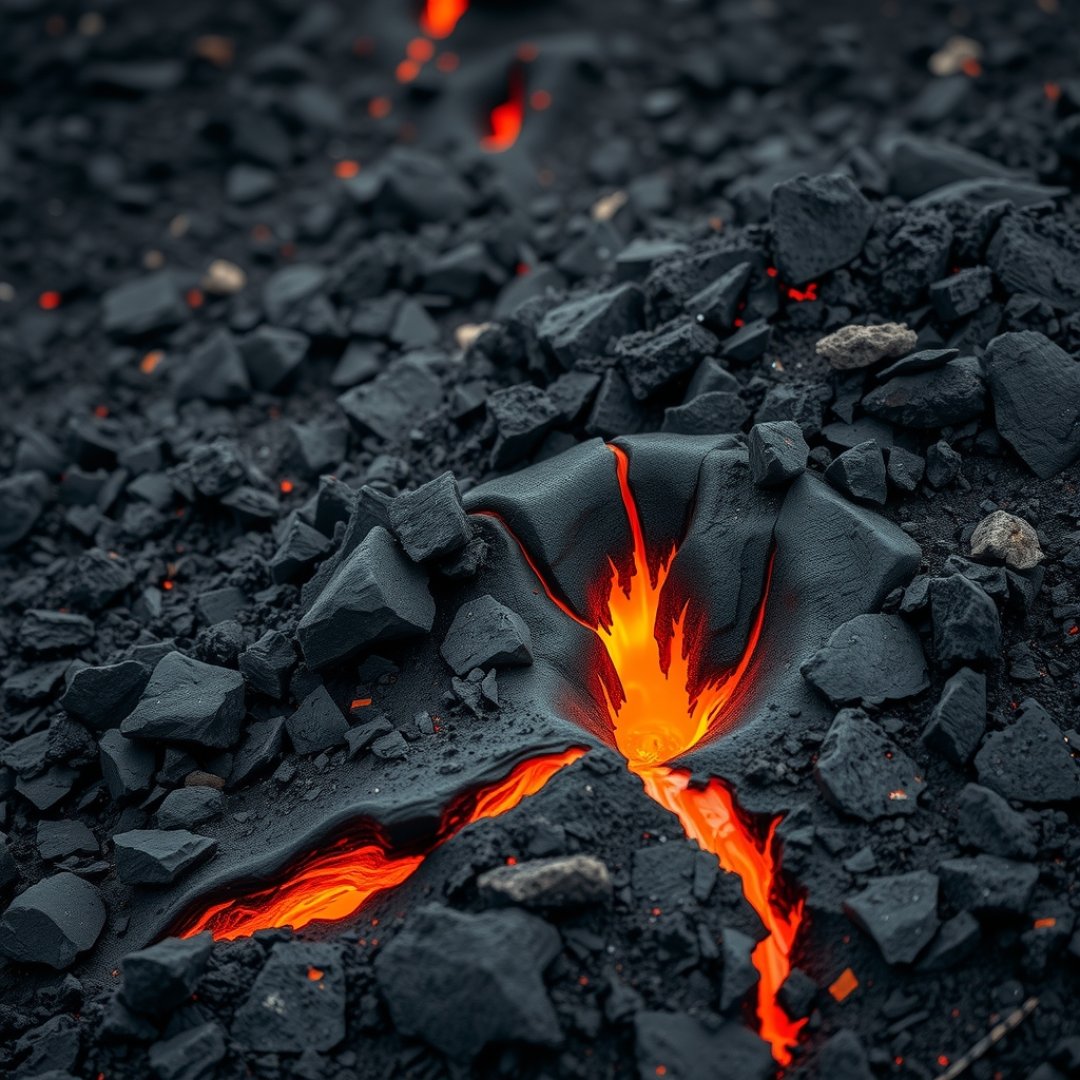
Volcanoes are dynamic systems, and the geological record held within igneous rocks offers a unique glimpse into the chaotic plumbing beneath the surface. By performing a detailed volcanic crystals magma transport indicator analysis, researchers can effectively reconstruct the thermal and chemical history of molten rock as it ascends through the Earth’s crust. These microscopic crystals act as natural data recorders, capturing pressure changes, temperature fluctuations, and chemical gradients that occur during magma ascent. When we treat a specific mineral as a reliable magma transport indicator, we gain the ability to map the speed and depth of fluid movement prior to an eruption. This forensic approach to volcanology is essential for understanding how magma reservoirs behave over long geological timescales, providing the empirical basis required to refine volcanic hazard assessments and improve the reliability of early warning systems for communities living near active volcanic centers worldwide.
The Role of Phenocrysts in Geological Forensics
Decoding Mineral Growth Rates
Phenocrysts are the large, conspicuous crystals found within volcanic rocks that grow slowly while the magma resides in deep reservoirs. Because these minerals grow in response to specific chemical environments, they serve as archives for the thermodynamic conditions of their surroundings.
- Diffusion Chronometry: By measuring the chemical zoning profiles within crystals, geologists can estimate the time elapsed between crystallization and eruption.
- Zonal Analysis: Sharp boundaries in crystal composition often signal an influx of new, hotter magma into an existing chamber, a process known as recharge.
Mechanisms of Magma Ascent
Tracking Velocity through Melt Inclusions
As magma moves through the crust, it encounters varying pressures and temperatures. Melt inclusions—tiny droplets of silicate liquid trapped inside growing crystals—provide a snapshot of the chemical state of the magma at different stages of its journey.
Mathematical Modeling of Transport
Scientists integrate these observations into numerical models to calculate the rise speed. A precise magma transport indicator allows researchers to differentiate between slow, steady-state ascent and rapid, explosive surges. Understanding these dynamics is crucial for predicting the transition from effusive activity, where lava flows, to explosive events that produce ash columns.
Applications in Hazard Mitigation
Improving Eruption Forecasting
The practical application of these forensic techniques extends beyond historical study; it directly influences modern risk mitigation. By establishing a robust magma transport indicator framework, observatories can correlate real-time seismic data with the petrological signatures of recently erupted material.
- Early Warning: Identifying rapid ascent patterns can provide lead times for emergency evacuations.
- Reservoir Mapping: Mapping the depth of magma storage helps in understanding the scale of potential volcanic threats.
- Baseline Monitoring: Continuous assessment of ejected minerals helps track long-term changes in volcanic plumbing configurations.
Frequently Asked Questions
What is the primary function of a magma transport indicator?
It serves as a forensic tool that allows geologists to estimate the speed, depth, and thermal history of magma as it travels from the mantle or crustal reservoirs to the surface.
How do scientists measure these volcanic crystals?
Scientists use high-resolution electron microprobes and mass spectrometers to analyze the chemical zoning and diffusion profiles within the mineral structures.
Can this analysis predict exactly when a volcano will erupt?
While it cannot provide an exact date, it significantly improves our understanding of the magmatic processes leading to an eruption, which enhances the reliability of hazard forecasting models.