
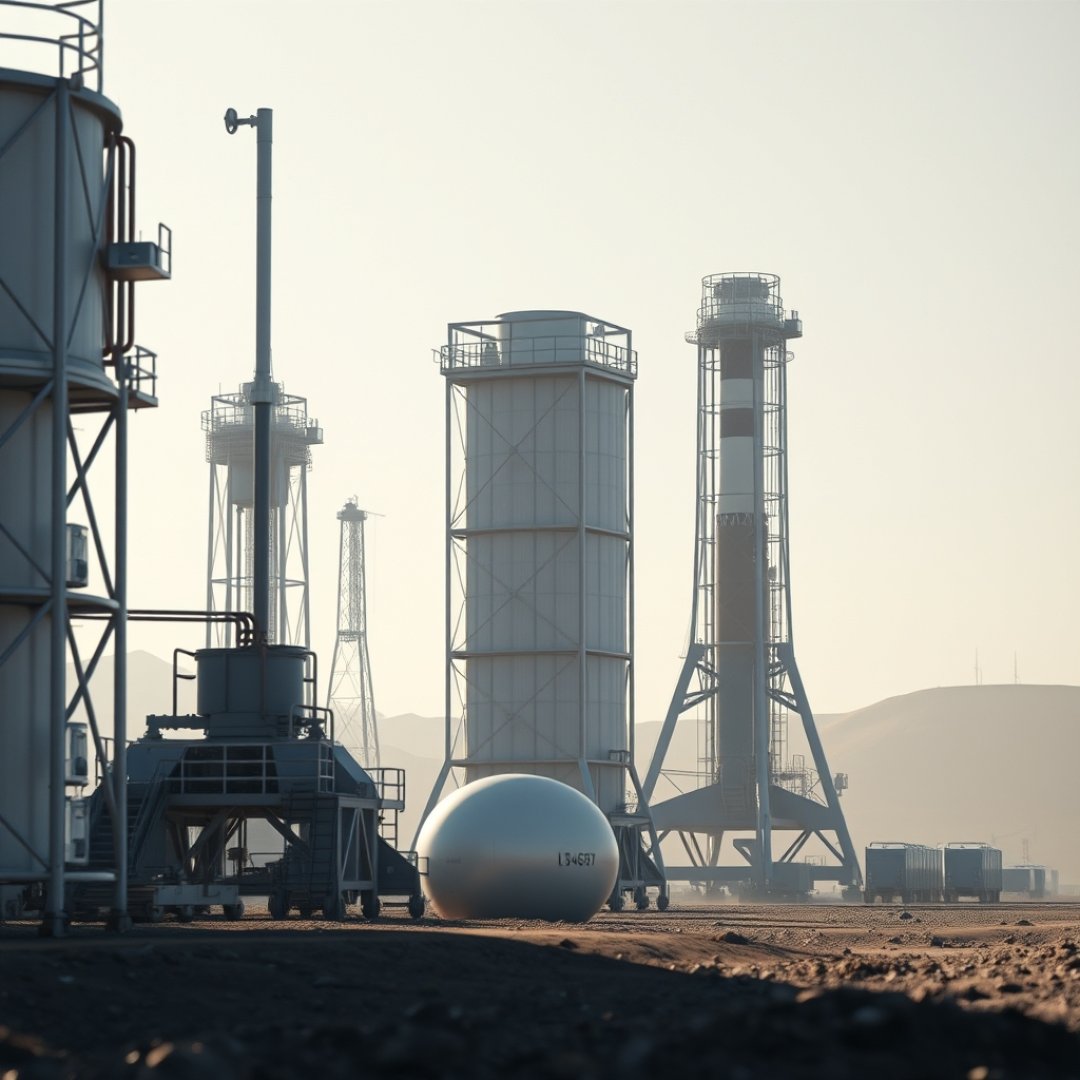
The vision of establishing a permanent human presence on the Moon hinges not only on transportation but on the capacity to utilize local resources. SpaceX Lunar Manufacturing Infrastructure represents the next critical leap in off-world industrialization, focusing on transforming raw regolith into essential construction materials, fuel, and pressurized habitats. By moving away from an Earth-dependent supply chain, the integration of advanced 3D printing and automated fabrication systems allows for a sustainable footprint in the harsh lunar environment. This strategic development is essential for supporting long-term research outposts and serves as a vital proving ground for the eventual colonization of Mars, proving that large-scale robotic assembly is the key to mastering deep space logistics and economic viability for future generations of lunar explorers.
The Role of In-Situ Resource Utilization
Transforming Regolith into Infrastructure
At the core of the strategy lies In-Situ Resource Utilization (ISRU), the process of gathering and processing lunar soil, known as regolith, into usable materials. SpaceX aims to deploy autonomous systems that can mine water ice from permanently shadowed regions, which provides hydrogen and oxygen for rocket propellant.
- Oxygen extraction: Vital for life support systems and liquid oxygen production for engines.
- Structural metals: Extracting iron, aluminum, and magnesium to construct landing pads and blast shields.
- Thermal storage: Utilizing processed lunar dust as a high-density material for heat management systems.
Technological Requirements for Lunar Fabrication
Advanced Additive Manufacturing
To build complex structures on the Moon, traditional construction methods are insufficient. SpaceX is focusing on large-scale additive manufacturing, specifically robotic 3D printing, to convert metallic powders and processed minerals into pressurized modules.
Overcoming the Lunar Environment
The lunar surface presents unique challenges that influence how infrastructure must be designed and built. Engineers must account for several factors:
- Vacuum conditions: Prevents oxidation but complicates traditional welding and adhesive bonding.
- Extreme thermal cycling: Materials must withstand massive temperature swings between lunar day and night.
- Radiation shielding: Heavy lunar structures are needed to protect crews from solar particle events and cosmic rays.
Strategic Importance for Deep Space Logistics
A Gateway to Mars
Developing robust Lunar Manufacturing Infrastructure serves as a vital bridge toward interplanetary travel. By mastering the ability to produce fuel and hardware on the Moon, SpaceX reduces the mass that must be launched from Earth’s deep gravity well. This shift essentially turns the Moon into a celestial gas station and a manufacturing hub.
Long-Term Economic Impact
The maturity of this infrastructure will foster a burgeoning cislunar economy. As manufacturing costs drop through automation, the feasibility of mining rare elements or establishing commercial outposts becomes reality, effectively creating a sustainable business model for space operations that extends far beyond governmental exploration goals.
Frequently Asked Questions
What is the primary goal of SpaceX Lunar Manufacturing Infrastructure?
The primary goal is to transition from Earth-supplied missions to a self-sustaining model by producing essential fuel and construction materials directly from lunar resources.
How does regolith contribute to lunar manufacturing?
Regolith serves as a raw feedstock. Through chemical processing and sintering, it can be turned into bricks, metals, and water-based propellants necessary for infrastructure and flight operations.
Why is the Moon considered a stepping stone to Mars?
The Moon provides a lower-gravity testing ground for technologies like mining, additive manufacturing, and propellant production that are required to sustain long-term human missions on Mars.