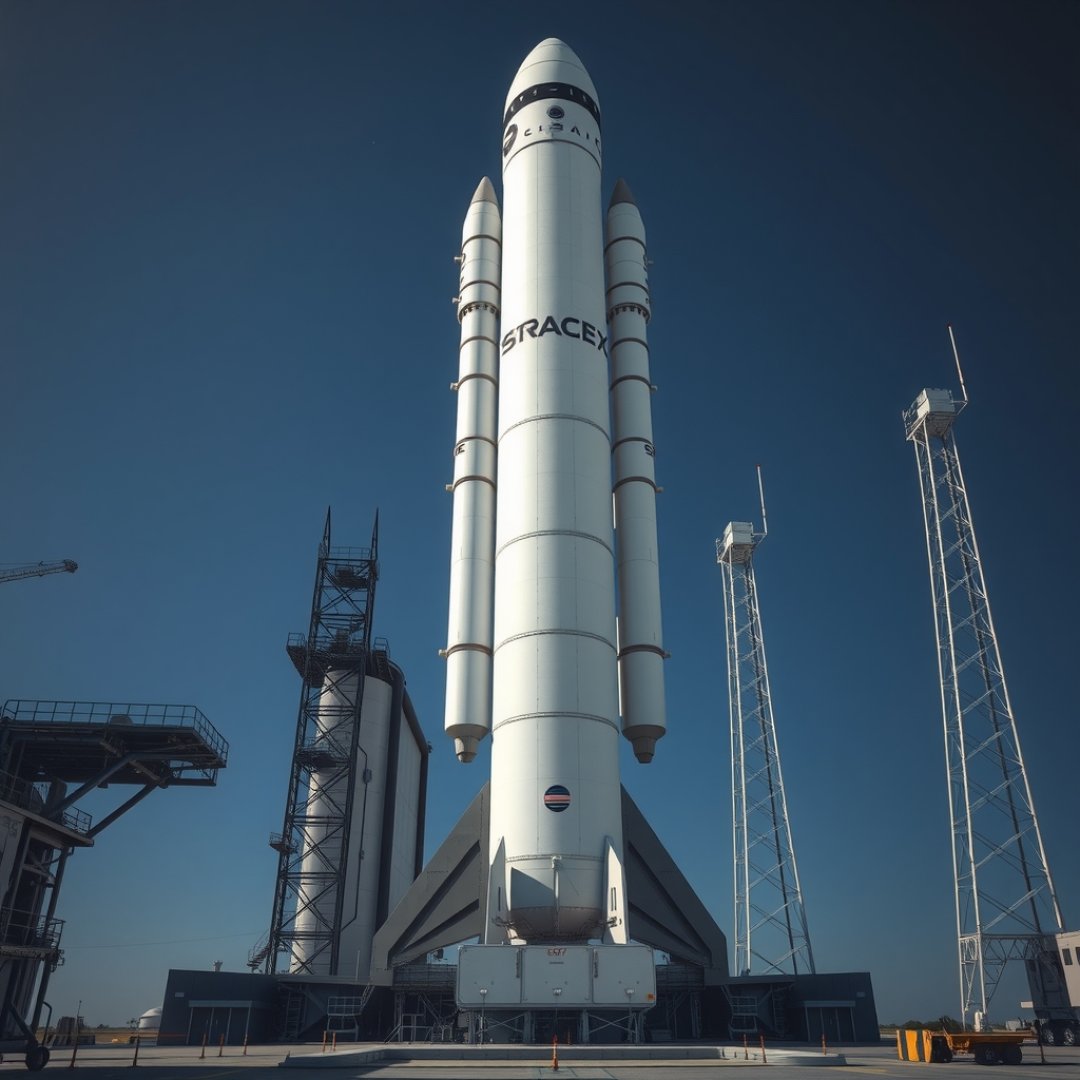
The Starship booster technical flight preparation status represents a critical phase in modern aerospace engineering, marking a departure from traditional expendable rocket paradigms toward a future of rapid, full-scale reusability. As SpaceX continues to iterate on the Super Heavy configuration, ground teams perform a rigorous series of pre-flight checks designed to validate structural integrity, cryogenic propellant management, and the complex integrated health of the Raptor engines. This status encompasses everything from static fire testing and thermal protection system inspections to the meticulous alignment of grid fins and hydraulic actuator systems. Understanding the operational readiness of these massive launch vehicles is essential for observers and industry experts alike, as each developmental milestone informs the safety and performance parameters required for orbital delivery and potential human transit to Mars. By refining these preparation workflows, engineers aim to minimize turnaround times while maximizing mission success, establishing the foundational capabilities for sustainable, high-frequency space transportation.
Critical Systems Testing and Ground Integration
Engine Performance and Static Fire Protocols
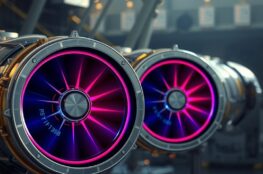
Before any flight, the Starship booster undergoes extensive static fire tests to verify the performance of its thirty-three Raptor engines. These tests are not merely ignition checks; they involve a full-sequence synchronization where propellant feed systems are pressurized to flight levels. Engineers monitor thermal loads and engine vibration data to ensure that the structural mountings remain within design tolerances.
Fluid and Propellant Management
The cryogenic loading process is a significant part of the technical preparation. Liquid methane and liquid oxygen must be loaded into the booster with precise temperature control. The integrity of the tank sealants and the functionality of the quick-disconnect umbilicals are analyzed to prevent leaks, which could jeopardize the flight timeline.
Aerodynamic Controls and Thermal Protection
Grid Fin Actuation Systems
To ensure precise landing accuracy, the Starship booster utilizes large grid fins that act as aerodynamic control surfaces. Preparation includes full-cycle testing of these fins under load, ensuring that the actuators can withstand the extreme pressure of hypersonic descent. Failure in these systems during re-entry would result in the loss of the booster, making this a top priority in the pre-flight verification checklist.
Thermal Protection System (TPS) Maintenance
The exterior heat shield must be thoroughly inspected for any missing or compromised tiles. Even a small gap in the protection layer can lead to structural failure under the intense heat of atmospheric re-entry. Technicians use advanced imaging and tactile inspection methods to clear the vehicle for flight.
Avionics and Software Validation
Flight Computer Redundancy
The flight computer systems manage the entire mission, from ignition to the eventual catch at the launch tower. Software teams run thousands of simulations that mirror potential in-flight anomalies. This rigorous validation ensures that if an engine shuts down unexpectedly, the flight software can compensate in milliseconds, adjusting the throttle levels of remaining engines to maintain the desired trajectory.
Telemetry and Communication Links
Robust communication is vital for maintaining contact with mission control. The status of the vehicle includes checking the health of the encrypted radio links, ensuring that ground control receives real-time telemetry throughout the flight envelope.
Frequently Asked Questions
What is the primary goal of the Starship booster pre-flight checks?
The primary goal is to ensure the structural, mechanical, and software integrity of the vehicle to maximize safety and achieve rapid reusability.
Why is the static fire test so important?
It validates that the thirty-three Raptor engines can ignite synchronously and maintain stable combustion under flight-like propellant pressures.
How does SpaceX verify the heat shield condition?
Engineers perform comprehensive visual, ultrasonic, and manual inspections of every Thermal Protection System tile to ensure no gaps exist before launch.