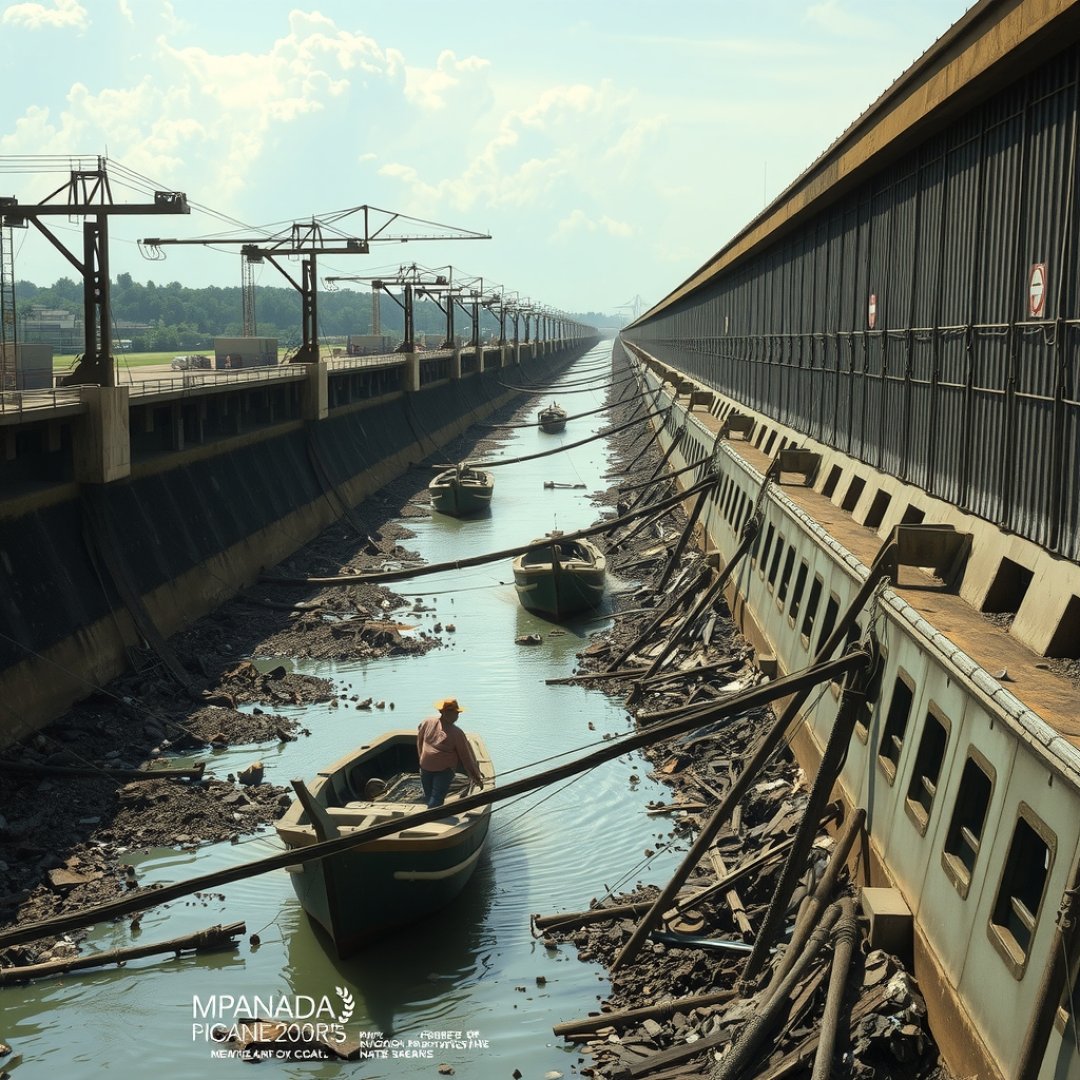
The Panama Canal water scarcity operational impact has become a critical focal point for global trade analysts and maritime logistics experts. Serving as a vital artery for international shipping, the canal relies heavily on the Gatun Lake freshwater reservoir to operate its complex lock system. When severe drought conditions reduce lake levels, the Panama Canal Authority is forced to implement significant restrictions, including reduced vessel drafts and lower daily transit quotas. This operational bottleneck creates cascading effects across global supply chains, increasing transit wait times and inflating shipping costs for goods moving between the Atlantic and Pacific oceans. As climate volatility intensifies, understanding the interplay between regional weather patterns and the long-term viability of this essential maritime shortcut is more important than ever for the stability of the global economy.
The Mechanism of Canal Operations
How Freshwater Locks Work
Unlike sea-level canals, the Panama Canal functions as a water bridge. Each vessel must be lifted 85 feet above sea level to cross the continental divide via Gatun Lake. This process consumes approximately 50 million gallons of freshwater per transit, which is released into the ocean after the vessel passes through.
The Role of Gatun Lake
Gatun Lake is not just a transit basin; it is the primary reservoir for canal operations and the source of drinking water for a significant portion of Panama’s population. When rainfall patterns shift due to climate change or El Niño cycles, the water levels in the reservoir drop, limiting the weight and quantity of ships that can safely pass through the locks.
Economic Consequences and Shipping Logistics
Increased Transit Costs
When the canal authority restricts draft depth, container ships must carry less cargo to reduce their weight, or else face significant transit surcharges. This shift forces shipping companies to choose between paying massive premiums or diverting vessels to longer, costlier routes around South America.
Supply Chain Disruptions
- Increased Lead Times: Delayed transits ripple through manufacturing timelines, causing inventory shortages.
- Price Volatility: Higher fuel consumption and transit costs are eventually passed to consumers in the form of higher prices.
- Logistics Shifts: Many companies are now seeking rail or air alternatives, which further complicates carbon emission targets.
Future Mitigation Strategies
Technological and Infrastructure Upgrades
The Panama Canal Authority is currently exploring several long-term solutions to combat the effects of water scarcity. These include the potential construction of new reservoirs and advanced water-recycling systems within the existing lock infrastructure to minimize freshwater waste during vessel transit.
Diversification Efforts
To ensure operational continuity, global logistics providers are diversifying their routes. While no other path matches the efficiency of the Panama Canal, investments in multimodal shipping routes—combining sea, rail, and road transit—are becoming more common as a buffer against environmental instability.
Frequently Asked Questions
Why does the Panama Canal need freshwater to operate?
The canal uses a lock system that lifts ships 85 feet above sea level. This process requires massive amounts of freshwater from Gatun Lake to fill the chambers and move ships over the continental divide.
How does drought impact the amount of cargo a ship can carry?
Lower water levels reduce the maximum allowable draft of a ship. If a ship is too heavy, it risks grounding, so operators must offload cargo to meet weight restrictions, making individual voyages less efficient.
Are there permanent solutions to the canal’s water issues?
The Panama Canal Authority is researching additional water management projects, such as creating new water reservoirs and improving conservation technologies, though these are long-term, capital-intensive undertakings.