
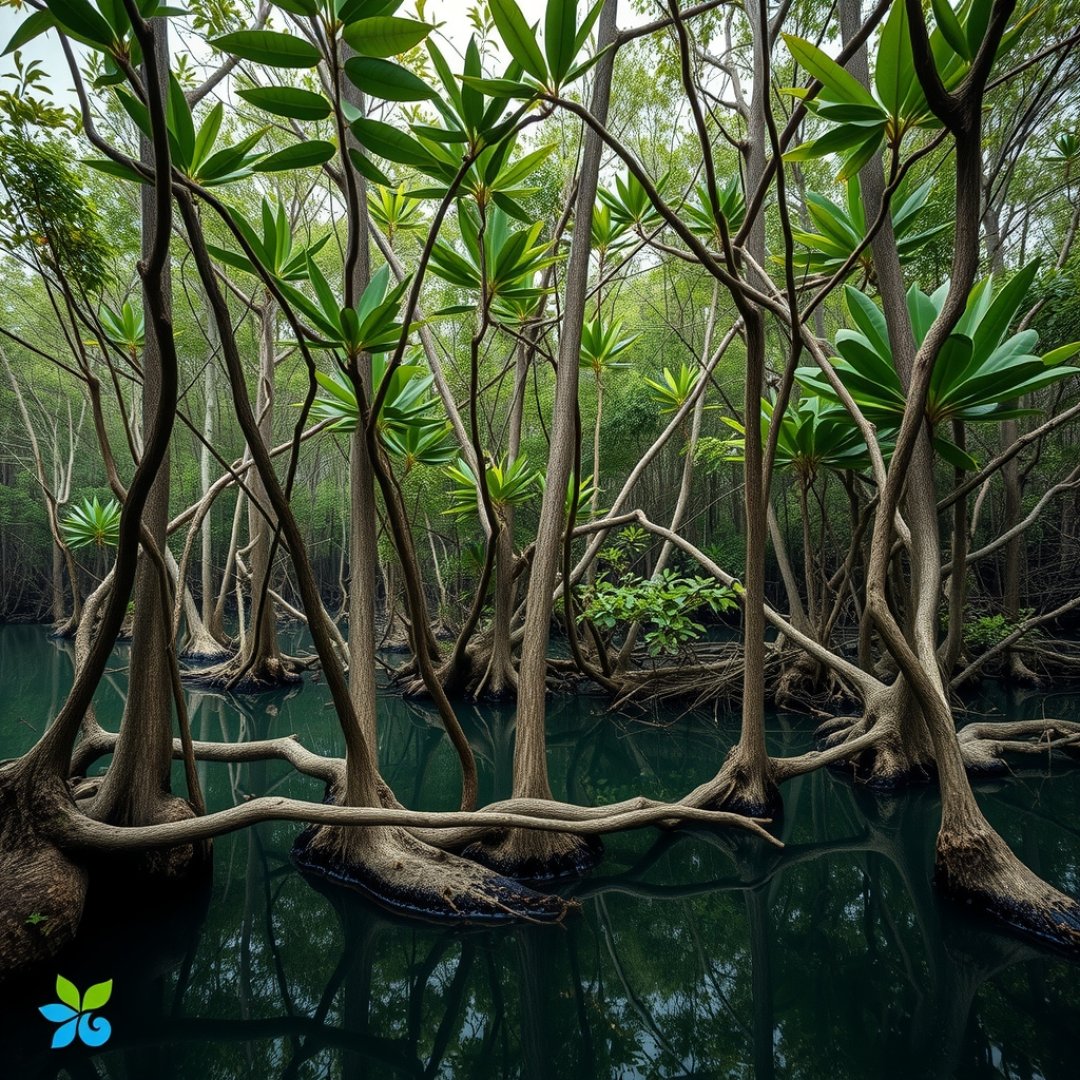
Coastal regions globally are undergoing significant transformation as scientists and local communities prioritize the mangrove forest ecosystem as a vital component of planetary health. These complex, salt-tolerant environments serve as critical carbon sinks, storm buffers, and nurseries for thousands of aquatic species. Despite their immense ecological value, these forests have faced decades of decline due to aquaculture expansion, urban development, and rising sea levels. Current ecological restoration progress is shifting from simple mass planting toward holistic, science-based approaches that mimic natural hydrological patterns. By addressing the root causes of degradation rather than just replacing trees, conservationists are seeing higher success rates in recovering the structural integrity and biodiversity of these essential tidal zones. Understanding this restoration process is paramount, as we rely on these forests for sediment stability, water purification, and atmospheric carbon regulation in a rapidly warming world.
Techniques in Ecological Restoration
Shifting from Monocultures to Biodiversity
Traditional restoration efforts often relied on mass-planting a single species, which frequently resulted in low survival rates and weak resilience. Modern strategies favor ecological mangrove restoration (EMR), which focuses on site hydrology. By ensuring that tidal flushing is restored, the ecosystem can often regenerate naturally without human intervention.
The Role of Hydrological Engineering
- Restoring natural water flow channels.
- Removing anthropogenic barriers like dikes or dams.
- Adjusting site elevation to match optimal tidal ranges for seedling growth.
Why These Ecosystems Matter
Carbon Sequestration and Climate Mitigation
Mangroves are among the most carbon-rich forests on the planet. They store massive amounts of organic carbon in their deep, waterlogged soils. This process, often called blue carbon, plays a vital role in slowing the trajectory of climate change by removing greenhouse gases from the atmosphere.
Storm Protection and Coastal Stability
The intricate root systems of the mangrove forest ecosystem act as physical barriers against tidal surges and hurricanes. They trap sediment, reduce wave energy, and prevent the erosion of shorelines, effectively protecting inland communities from extreme weather events.
Measuring Long-Term Success
Monitoring Biodiversity Recovery
Success is no longer measured solely by the number of trees planted, but by the return of associated fauna. Scientists track the presence of crabs, mollusks, and juvenile fish as indicators of a functioning food web. A successful restoration project must demonstrate a return to complex trophic interactions.
Challenges and Future Directions
- Sea Level Rise: Managing how mangroves migrate inland as water levels increase.
- Pollution Control: Preventing plastic waste and industrial runoff from choking young root systems.
- Community Engagement: Ensuring local populations benefit economically from protected mangroves to prevent future deforestation.
Frequently Asked Questions
Why is restoring the hydrology more effective than just planting trees?
Restoring hydrology ensures that the environmental conditions—such as water salinity, duration of flooding, and nutrient exchange—are correct for mangrove growth. If the conditions are right, mangroves will often colonize the area naturally, leading to a much more stable and diverse forest compared to artificial planting.
What is the primary cause of mangrove loss?
The primary causes include the conversion of coastal lands for shrimp aquaculture, urban and industrial development, and clearing for wood production or coastal infrastructure.
How do mangroves help combat climate change?
Mangroves act as massive carbon sinks. They pull carbon dioxide from the atmosphere and store it in their biomass and, more importantly, in the deep, oxygen-poor sediment of the forest floor, where it can remain trapped for centuries.