
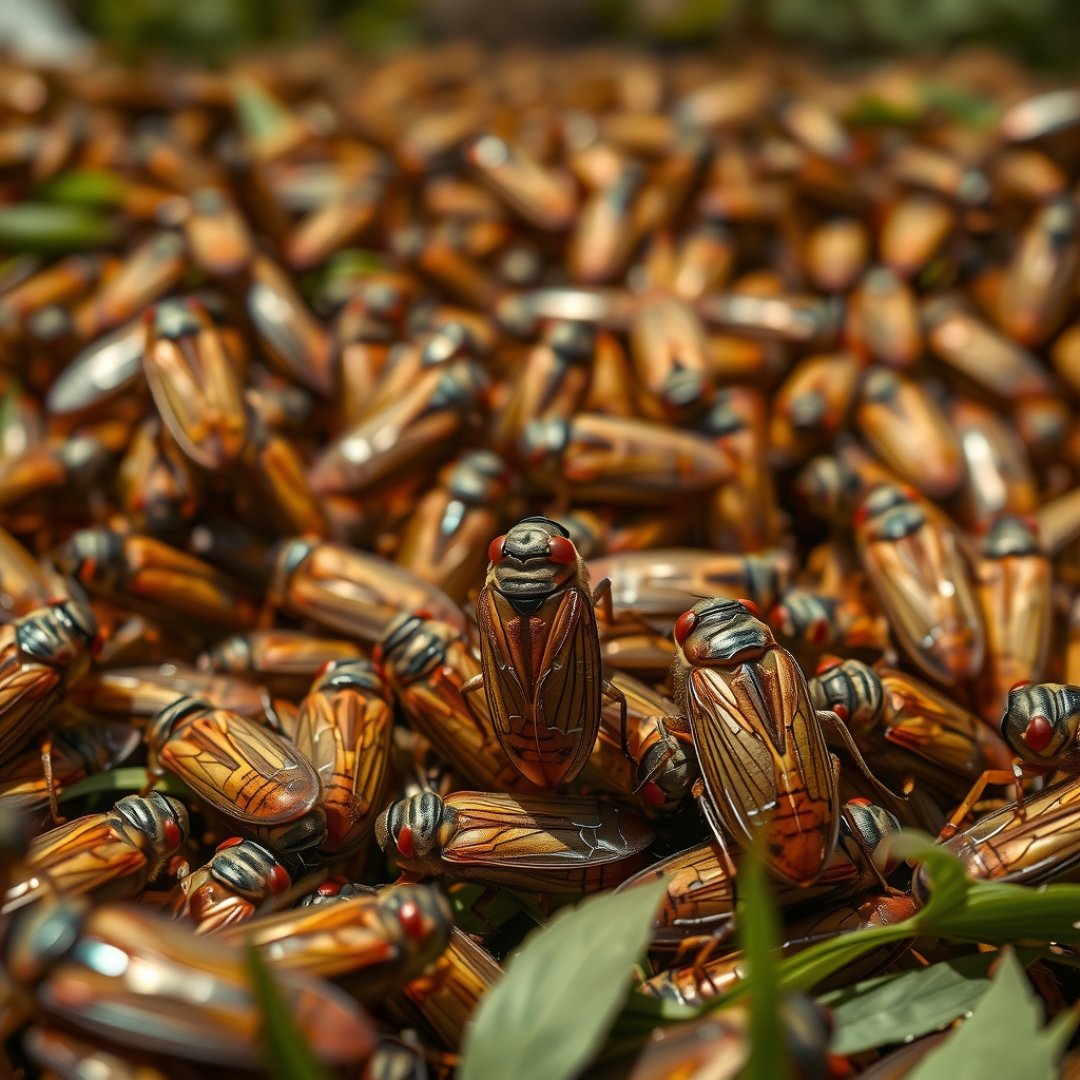
Emerging only once every 13 or 17 years, the synchronized arrival of periodical cicadas population groups represents one of the most fascinating biological spectacles on our planet. These insects spend the vast majority of their lives underground, feeding on tree root xylem until the precise moment triggers their mass emergence. However, researchers are becoming increasingly concerned about the long-term viability of these broods. As habitat loss, climate change, and pesticide exposure continue to reshape the North American landscape, the stability of the periodical cicadas population remains a critical subject for entomologists. Protecting these insects is not merely about preserving a single species; it is about maintaining the complex ecological services they provide to woodland ecosystems during their rare, mass appearances. Understanding their vulnerability helps us identify how human expansion directly impacts the delicate lifecycles of insects that have evolved to survive through deep temporal patience and overwhelming numerical density.
Threats to Periodic Emergence
Habitat Fragmentation
The primary driver of the decline in the periodical cicadas population is the widespread removal of mature deciduous forests. These insects rely on specific tree species for oviposition—the process of laying eggs into small twigs. When forests are cleared for residential or agricultural development, the localized brood may lose the exact infrastructure needed for the next generation to survive its underground phase.
The Impact of Climate Change
Rising global temperatures have begun to decouple the precise thermal cues required for synchronous emergence. While cicadas are cold-blooded, sudden unseasonable warmth can trick some individuals into emerging early, leading to high mortality rates as they fail to find adequate mates or face predatory pressure at the wrong time of year.
Why Brood Conservation Matters
Nutrient Cycling
During a massive emergence, millions of cicadas die and decompose, providing a massive, short-term pulse of nitrogen and other essential nutrients to the soil. This surge acts as a natural fertilizer for forest undergrowth, directly benefiting tree growth and soil health for years after the emergence ends.
Trophic Cascades
Many wildlife species, including birds, snakes, and small mammals, synchronize their reproductive cycles with cicada pulses. When the periodical cicadas population shifts or declines, it creates a ripple effect that can reduce the survival rates of these predator species, proving that these insects serve as a foundational anchor for entire food webs.
Strategic Conservation Approaches
Data Collection and Citizen Science
Because cicadas appear so infrequently, researchers rely heavily on citizen science to map their current range. Programs that track sound recordings and physical sightings are vital for determining whether a specific brood is in decline or simply occupying a fragmented territory.
Reforestation Efforts
Restoring native forest corridors is the most effective way to support these insects. By ensuring that future landscapes contain long-lived hardwood trees, conservationists provide a stable environment where the periodical cicadas population can complete its decade-long lifecycle without the constant threat of host-tree removal.
Frequently Asked Questions
Why do periodical cicadas emerge so infrequently?
The long 13 or 17-year cycles are an evolutionary strategy known as predator satiation, where the massive number of emerging insects overwhelms predators, ensuring that enough individuals survive to mate.
Are periodical cicadas currently considered endangered?
While no specific brood of periodical cicadas is currently listed under the Endangered Species Act, researchers have observed a distinct decline in the range and density of several historic broods.
Can I help protect local cicada populations?
Yes, by planting native trees, avoiding the use of broad-spectrum insecticides, and participating in local observation programs, you can support the long-term health of cicada broods in your area.