
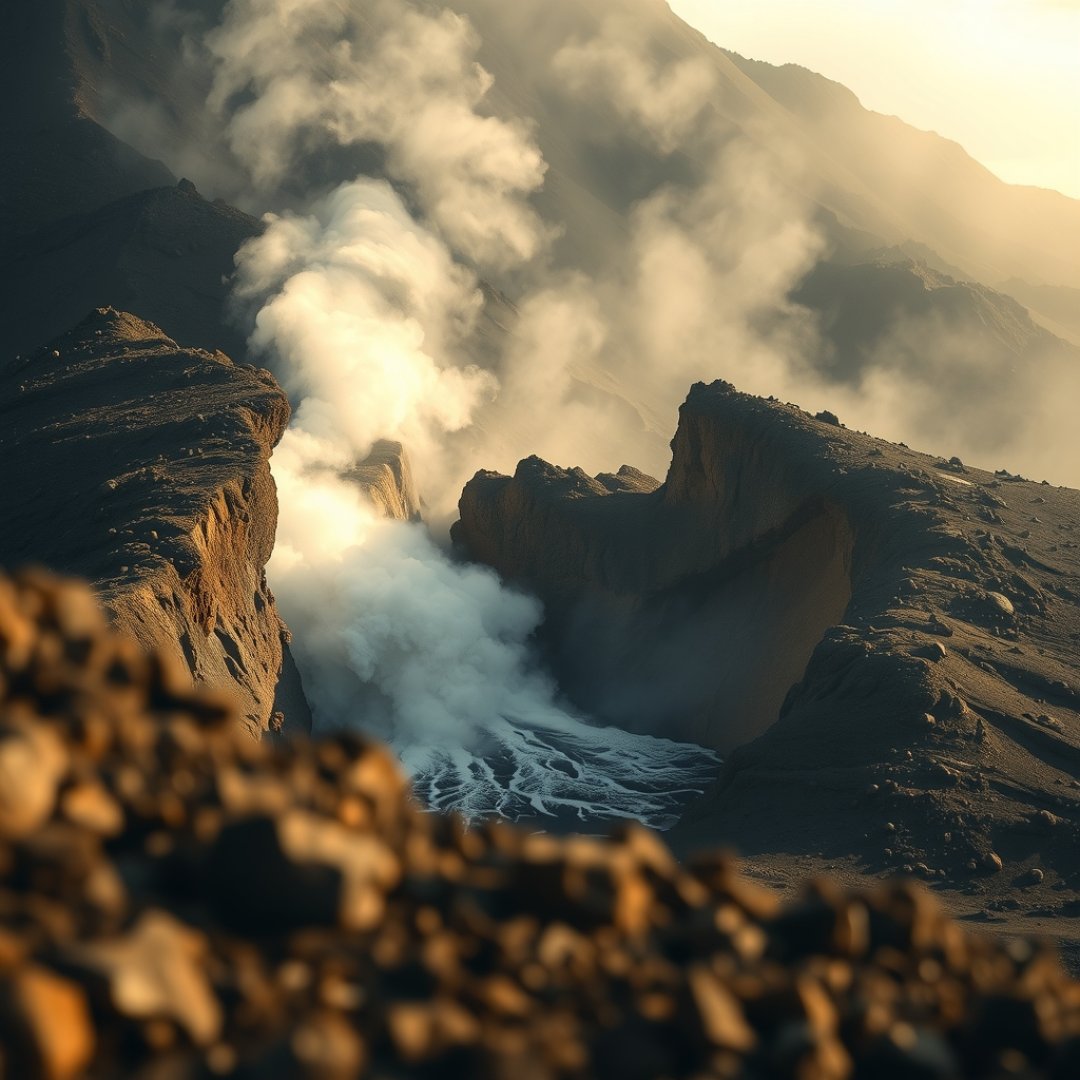
Ol Doinyo Lengai, located within the East African Rift, remains one of the most enigmatic geological features on Earth, largely due to its distinct natrocarbonatite lava and complex structural instability. Scientists have long studied the mountain’s deformation cycles, specifically focusing on the volcanic bulge mechanics that precede explosive eruptions and edifice collapse. By examining how internal magmatic pressures push against the volcanic structure, researchers can better predict shifts in the mountain’s topography. Understanding these volcanic bulge mechanics is essential for geologists because they provide a rare window into the stress-strain relationship of a volcano that defies standard basaltic expectations, helping to refine hazard models for the surrounding East African communities that live in the shadow of this sacred and volatile peak.
The Unique Nature of Natrocarbonatite Magma
Why the Lava Differs
Unlike most volcanoes that erupt silicate lavas, Ol Doinyo Lengai ejects natrocarbonatite, a rare, low-viscosity, and relatively low-temperature lava. This chemical composition fundamentally alters the internal plumbing of the volcano.
Pressure Accumulation
The fluidity of the magma allows it to infiltrate small fractures within the volcanic edifice. This behavior directly influences the volcanic bulge mechanics, as the buildup of gas and melt creates localized swelling that is much more rapid than in higher-viscosity volcanoes.
Structural Deformation and Monitoring
Detecting Surface Changes
Geodetic monitoring, including GPS measurements and satellite-based InSAR, is critical for identifying subtle crustal deformations. These data points allow scientists to map the following:
- Localized uplift: Identifying where the magma is pooling beneath the crater floor.
- Fracture propagation: Tracking how the volcanic cone physically cracks under internal pressure.
- Eruptive precursors: Correlating sudden bulge inflation with subsequent explosive venting events.
Implications for Volcanic Hazard Assessment
Predicting Eruption Cycles
The interplay between the magmatic reservoir and the surface structure dictates the safety of local residents. By observing the volcanic bulge mechanics, researchers can differentiate between steady-state eruptive activity and the signs of a larger, more catastrophic structural collapse.
The Role of Tectonic Rifting
Since the mountain is situated in an active rift zone, the volcanic mechanics are further complicated by regional tectonic extension. This adds a layer of complexity to the stress regime, requiring an integrated approach that combines volcanic, seismic, and geodetic data to anticipate potential hazards.
Frequently Asked Questions
What is unique about the lava at Ol Doinyo Lengai?
It produces natrocarbonatite lava, which is exceptionally fluid, black in color, and erupts at much lower temperatures than typical volcanic basalt.
Why is it important to monitor volcanic bulge mechanics?
Monitoring these mechanics helps scientists detect pressure buildups beneath the surface, which act as critical indicators of imminent eruptive activity.
Does the East African Rift affect the mountain’s structure?
Yes, the regional tectonic stretching of the East African Rift adds significant stress to the volcanic cone, influencing its deformation patterns and long-term stability.