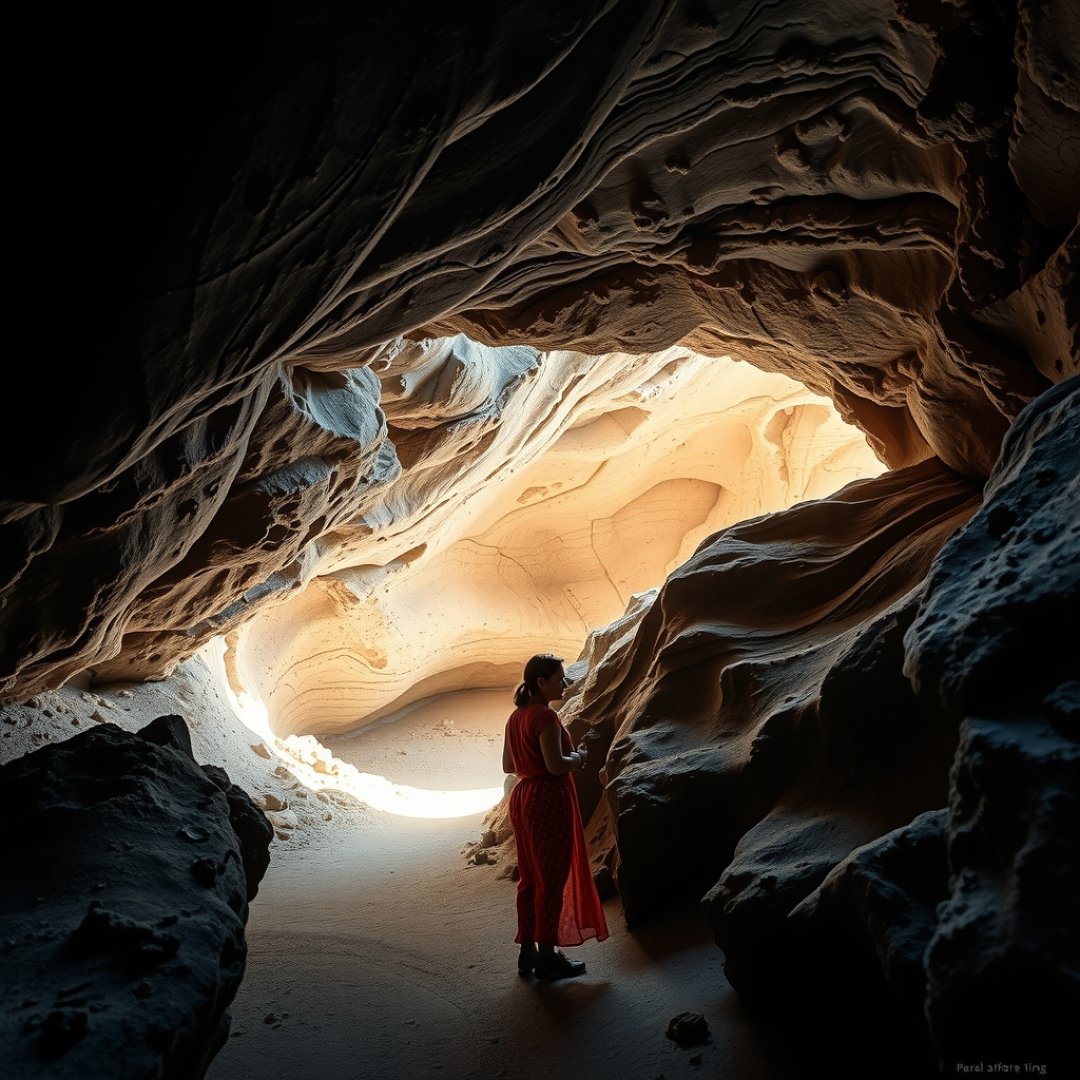
Beneath the vast, arid surface of Australia lies a hidden wilderness that few ever witness: the Nullarbor Plain subterranean cave ecosystem. This immense limestone karst landscape, stretching across hundreds of kilometers, hosts a labyrinth of tunnels and voids that harbor specialized life forms adapted to total darkness and extreme isolation. As researchers delve deeper into these geological formations, they uncover unique microbial communities and troglobitic species that provide critical insights into evolutionary biology and environmental stability. Understanding the Nullarbor Plain subterranean cave systems is not merely an exercise in exploration; it is a vital necessity for climate history research and the preservation of biological diversity in one of the planet’s most unforgiving environments. These caves act as time capsules, holding the secrets of ancient water cycles and fossilized remains that help us map the geological evolution of the Australian continent over millions of years.
Geological Formation of the Nullarbor Karst
The Making of a Limestone Labyrinth
The Nullarbor Plain originated from a massive marine sedimentary deposit. Over millions of years, chemical weathering and groundwater movement carved out the extensive cave systems we see today. The porous nature of the limestone allows for a complex, interconnected network that extends far beyond the reach of surface maps.
- Dissolution Processes: Weakly acidic groundwater infiltrates the rock, slowly widening fissures into vast chambers.
- Paleoclimate Indicators: Stalactites and flowstones provide data on rainfall patterns dating back to the Pleistocene epoch.
- Structural Integrity: The stability of these caves is heavily influenced by regional tectonic movements and sea-level fluctuations.
Biological Diversity in Total Darkness
Life Without Sunlight
The organisms thriving within these dark voids have evolved highly specific traits to survive. Because these caves are disconnected from photosynthetic energy sources, the food web relies heavily on organic debris washed in during rare flood events or on specialized chemoautotrophic bacteria.
Adaptations of Cave-Dwelling Species
Creatures found here, often referred to as troglobites, demonstrate extreme physiological modifications. Many species have completely lost their eyesight and pigment, as these traits provide no survival advantage in a perpetually dark environment. Instead, they rely on highly developed sensory appendages, such as elongated antennae or chemo-receptors, to detect prey and navigate the complex, rocky terrain.
Why Cave Conservation Matters
Protecting Fragile Subterranean Habitats
The Nullarbor cave systems are remarkably fragile and susceptible to human impact. Even minor changes in air composition, moisture levels, or water chemistry can cause irreversible damage to the sensitive microbial mats and rare invertebrate populations that call these caves home.
Key Conservation Goals:
- Limiting human access to preserve fragile carbonate formations.
- Preventing groundwater contamination that threatens cave-dwelling life.
- Conducting long-term ecological monitoring to assess the impacts of climate change.
Frequently Asked Questions
What is the Nullarbor Plain subterranean cave ecosystem?
It is a vast, interconnected network of limestone caves located beneath the Nullarbor Plain in Australia, home to specialized, light-independent species and ancient geological records.
Do humans live inside these caves?
No, humans do not live in these caves. They are visited by specialized scientists, geologists, and cave explorers, but the environments are too hostile for permanent habitation.
Why are these caves important for science?
These caves preserve fossilized remains, ancient climate data in rock formations, and unique evolutionary biology that helps scientists understand long-term environmental changes.