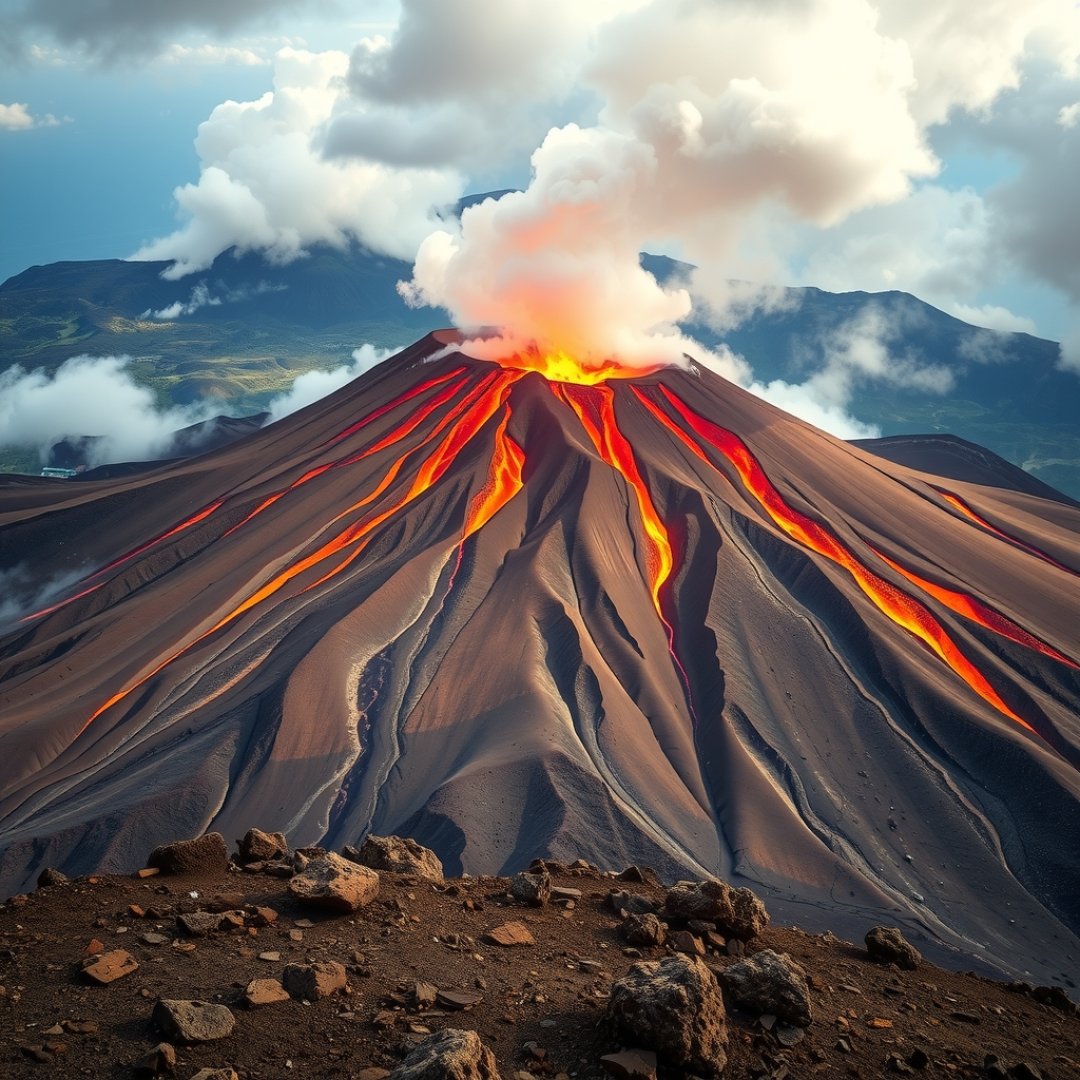
Mount Etna is not merely a prominent landmark in Sicily; it is one of the most active volcanoes on Earth, offering a unique laboratory for geologists to study the complex Mount Etna volcanic eruption geological mechanics. Located at the intersection of the African and Eurasian tectonic plates, this massive stratovolcano exhibits diverse eruptive behaviors, ranging from gentle lava flows to explosive paroxysms. Understanding these processes is vital, as they provide critical insights into how deep-seated magma reservoirs interact with crustal structures to influence volcanic behavior. By examining the shifting subterranean pressures and the chemical composition of rising magmas, researchers can better anticipate the timing and intensity of eruptions. This article delves into the underlying mechanisms that govern the restless activity of this iconic mountain, shedding light on how its intricate internal plumbing system shapes the surrounding landscape and impacts regional safety.
Tectonic Setting and Magma Supply
The African-Eurasian Collision
At the heart of the Mount Etna volcanic system is its complex tectonic setting. The volcano is situated at the boundary where the African Plate subducts beneath the Eurasian Plate. However, this is not a typical subduction zone; instead, it is characterized by tearing and folding of the crust, which creates favorable conditions for magma to ascend from the mantle.
Magma Genesis
- Partial Melting: The interaction between the subducting slab and the overlying mantle wedge triggers decompression melting.
- Ascent Paths: Magma travels through deep-seated fault systems that act as conduits, reaching the surface through multiple eruptive centers rather than a single pipe.
The Internal Plumbing System
Multi-Level Reservoirs
The internal structure of the volcano consists of a complex network of reservoirs. Rather than a singular magma chamber, Etna features stacked pockets of molten rock located at various depths in the crust.
Pressure Dynamics
When magma rises from deep in the crust into shallower reservoirs, it undergoes fractional crystallization and gas exsolution. The buildup of volcanic gases, primarily water vapor and carbon dioxide, creates immense internal pressure. When this pressure exceeds the strength of the overlying rock, the volcano enters an eruptive phase, releasing materials through its summit craters or flank fissures.
Types of Eruptive Activity
Summit vs. Flank Eruptions
The geological mechanics of the mountain allow for two primary styles of activity. Summit eruptions are frequent and often involve Strombolian explosions, which are relatively mild but visually spectacular. In contrast, flank eruptions are more dangerous as they can open fissures lower on the mountainside, allowing large volumes of lava to flow toward inhabited areas.
Key Influencing Factors
- Gas Saturation: High gas content typically leads to more explosive activity.
- Structural Weakness: The instability of the eastern flank significantly dictates where new fissures will emerge during an eruption.
- Magma Mixing: The arrival of fresh, primitive magma from depth often triggers larger, more sustained volcanic events.
Frequently Asked Questions
What drives the Mount Etna volcanic activity?
The volcano is driven by the subduction and complex tectonic interaction between the African and Eurasian plates, which allows magma to rise through deep crustal faults.
Does Mount Etna have a single magma chamber?
No, it features a complex, multi-level plumbing system consisting of several interconnected reservoirs located at different depths within the Earth’s crust.
Why are flank eruptions more concerning than summit eruptions?
Flank eruptions are more concerning because they occur on the sides of the volcano, often at lower elevations, which can threaten local infrastructure and residential populations with lava flows.