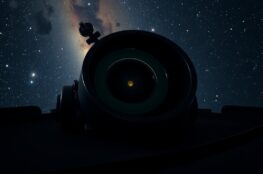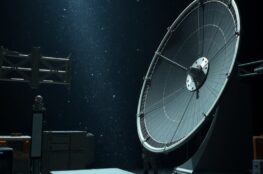
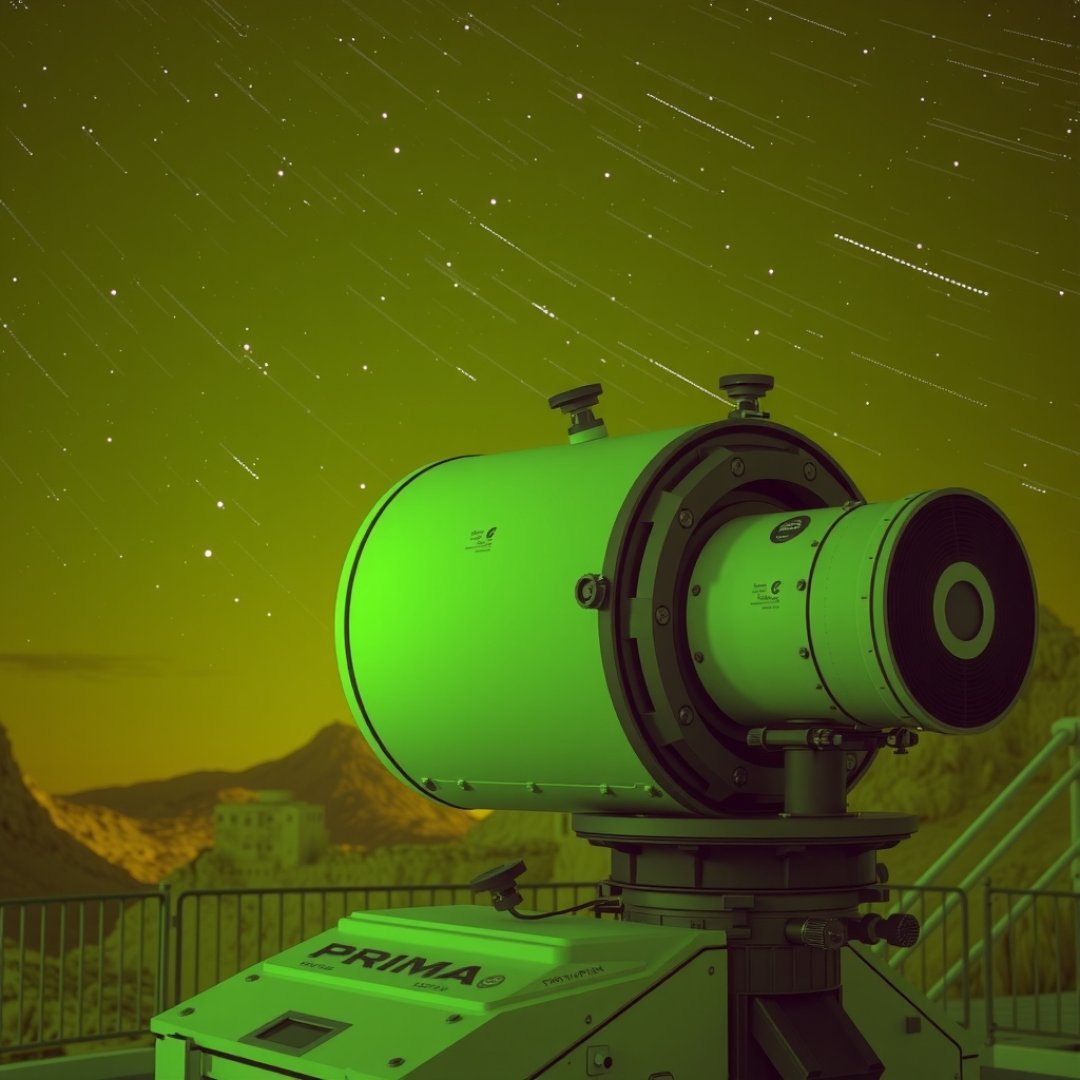
The PRIMA Infrared Telescope scientific observation potential represents a significant leap forward in our ability to probe the obscured regions of the universe. By targeting the far-infrared spectrum, this mission is engineered to penetrate dense clouds of interstellar dust that effectively block the view of traditional optical instruments. Scientists anticipate that the PRIMA Infrared Telescope will provide unprecedented clarity into the formation of stars and planetary systems, bridging a critical gap in our current astronomical toolkit. Unlike previous observatories, this platform will focus on the unique spectral signatures of cold gas and dust, allowing researchers to track the flow of materials from vast galactic scales down to the chaotic environments where solar systems are born. This project stands as a cornerstone of next-generation astrophysics, designed to solve long-standing mysteries regarding the evolution of galaxies and the chemical composition of the early universe.
Exploring the Far-Infrared Frontier
Why the Infrared Spectrum Matters
The electromagnetic spectrum contains vast amounts of data that remain hidden to the naked eye. In the far-infrared, we can observe the thermal glow of dust grains, which are the fundamental building blocks of stars and planets. PRIMA excels here by offering sensitivity levels that surpass those of any predecessor, allowing for the mapping of cold material that is currently invisible to us.
Overcoming Interstellar Obscuration
Many star-forming regions are shrouded in dense cocoons of gas and dust. This opacity prevents visible light from escaping, effectively hiding the birth processes of celestial bodies. By utilizing far-infrared detection, this mission clears these obstacles, offering a direct view into the inner workings of dark molecular clouds and active galactic nuclei.
Mapping Galactic and Planetary Evolution
Tracing Solar System Origins
One of the primary goals involves studying protoplanetary disks, the rotating disks of dense gas and dust orbiting young stars. Understanding how these materials clump together to form planets is essential for placing our own solar system into a broader context. PRIMA will measure the distribution and temperature of these disks, providing data that could explain the prevalence of rocky versus gaseous worlds.
Galactic Recycling Processes
Galaxies are constantly recycling material from dead stars back into new star-forming environments. This telescope tracks the movement of gas and dust through these cosmic ecosystems, helping to determine how elements necessary for life, such as carbon and oxygen, are dispersed across the universe over billions of years.
Technological Innovations and Mission Design
Advanced Cryogenic Cooling
To detect the faint signals from cold objects, the telescope must remain extremely cold to prevent its own thermal noise from interfering with measurements. Innovations in active cooling and passive shielding are critical to its performance. Key design features include:
- Advanced cryocoolers for maintaining low instrument temperatures.
- High-sensitivity bolometer arrays for capturing minute energy fluctuations.
- Precision optics optimized for long-wavelength observations.
Frequently Asked Questions
What is the primary scientific objective of the PRIMA Infrared Telescope?
The primary objective is to investigate the cold universe, focusing on how stars and planets form within dense, dust-filled clouds that are opaque to optical telescopes.
Why is the far-infrared spectrum important for astronomy?
The far-infrared spectrum allows astronomers to observe thermal emission from cold dust and gas, which are the foundational materials for galaxy formation and star creation.
How does PRIMA differ from the James Webb Space Telescope?
While the James Webb Space Telescope operates primarily in the near-to-mid-infrared, PRIMA is specifically optimized for the far-infrared, targeting different physical phenomena like the coldest material in space.