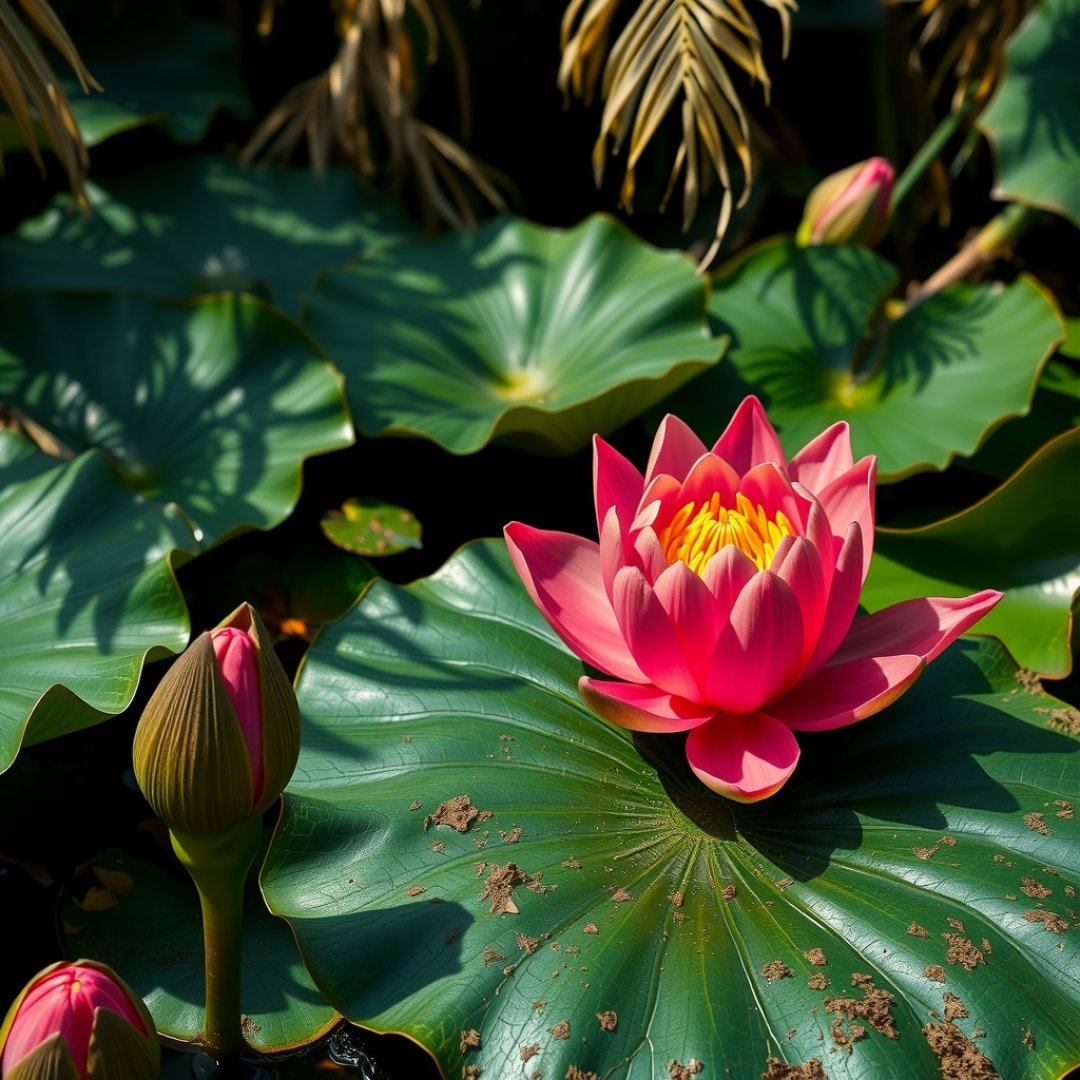
For nearly two centuries, scientists believed they had fully documented the world’s largest aquatic plants. However, a major Giant Amazon Water Lily botanical discovery recently upended these assumptions, revealing that what researchers had long classified as a single species was actually two distinct entities. This breakthrough centers on the massive, platter-like lilies that grow in the humid depths of the Amazon basin, specifically focusing on the newly described Victoria boliviana. By utilizing advanced DNA analysis alongside historical record comparisons, researchers confirmed that this majestic species had been hiding in plain sight within botanical gardens and remote wetlands for years. This realization not only corrects a long-standing taxonomic error but also highlights how much of the Amazon’s complex ecosystem remains misunderstood. The existence of this plant emphasizes the vital importance of continued botanical exploration in the world’s largest tropical rainforest, where unique environmental pressures have driven the evolution of some of Earth’s most remarkable floral architecture, including leaves that can grow up to three meters in diameter.
The Identification of Victoria boliviana
Distinguishing the New Species
The formal identification of Victoria boliviana was the result of extensive collaboration between international research teams. While previously confused with the known Victoria amazonica, the new species possesses subtle yet distinct morphological differences.
- Seed structure: The seeds of the new species demonstrate unique shapes and densities compared to its cousin.
- Floral patterns: Subtle variations in the blooming cycle and petal pigmentation were identified after years of observation.
- Genetic divergence: Molecular sequencing provided the definitive evidence, showing that the two species diverged millions of years ago in their evolutionary history.
Ecological Significance in the Amazon
Why This Discovery Matters
The Giant Amazon Water Lily plays a critical role in its aquatic habitat, acting as both a primary producer and a physical structure for other organisms. These plants create micro-habitats on the surface of the water, providing shade and protection for various fish and amphibian species.
Environmental impact includes:
- Regulating oxygen levels in shallow waters through photosynthesis.
- Providing a platform for specialized pollinators, such as specific scarab beetles that are essential for the lily’s reproductive cycle.
- Serving as a sentinel species for water quality; their health often reflects the overall stability of the surrounding wetland ecosystem.
Preservation and Conservation Challenges
Protecting Rare Botanical Treasures
The formal naming of a new species is more than just a scientific achievement; it is a vital step toward conservation. Many of the regions where these plants reside are increasingly threatened by habitat fragmentation and climate-induced changes in water availability.
By clearly defining Victoria boliviana, conservationists can better advocate for specific protected areas that host these rare plants. Protecting the water lily goes hand-in-hand with preserving the entire wetland complex, ensuring that the complex web of life—from microscopic algae to the massive lilies themselves—remains intact for future generations.
Frequently Asked Questions
How large can the Giant Amazon Water Lily grow?
The leaves of these magnificent plants can reach up to 3 meters (nearly 10 feet) in diameter, making them some of the largest simple leaves in the plant kingdom.
Why did it take so long to discover this new species?
The species was previously misidentified as Victoria amazonica due to their superficial similarities. It took modern DNA testing and more detailed morphological comparison to confirm it was indeed a distinct, separate species.
Where can the new Victoria boliviana be found?
This species is primarily native to the wetlands of Bolivia, though it has been grown in botanical collections worldwide for years under the incorrect classification.