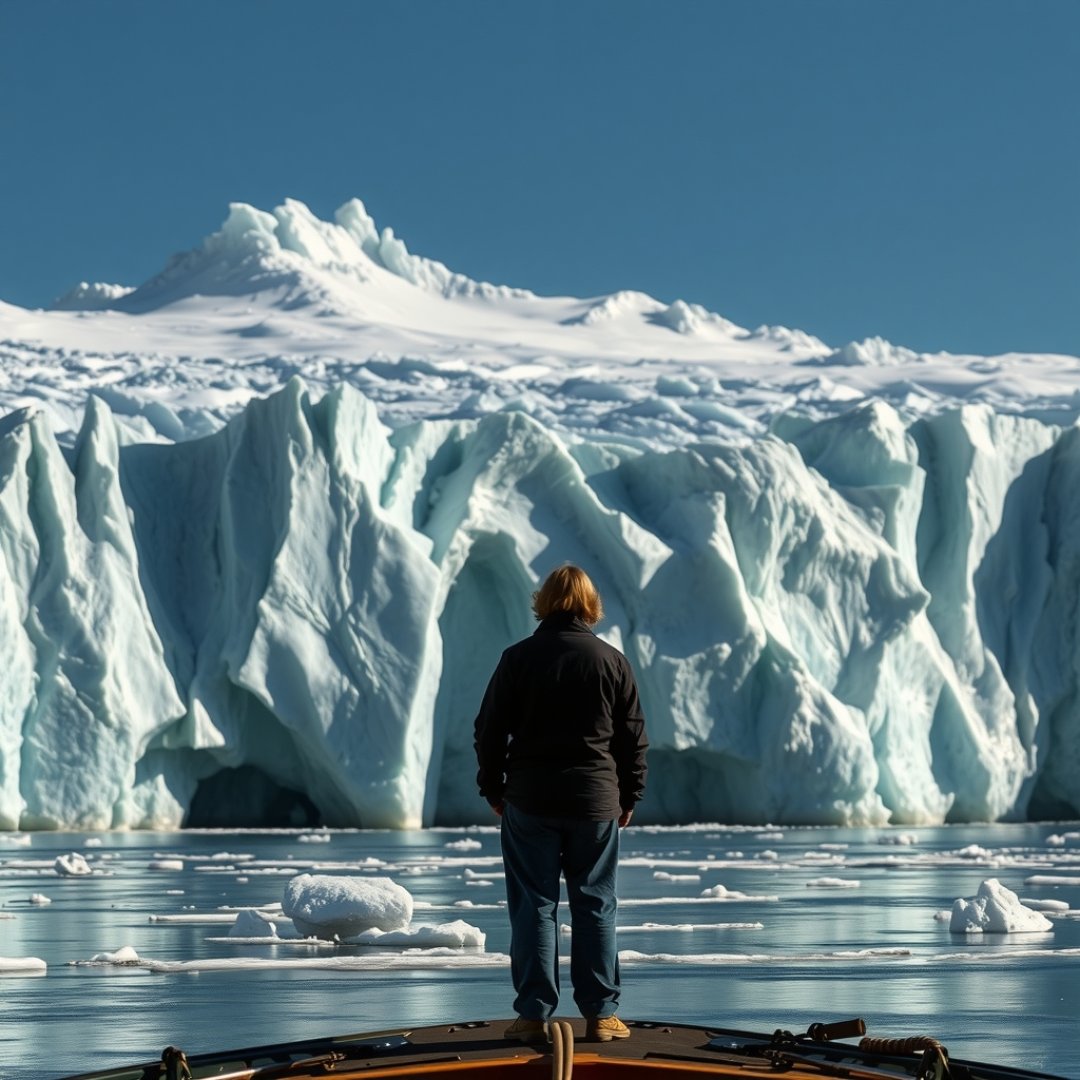
The Thwaites Glacier melting phenomenon has emerged as one of the most pressing concerns in modern glaciology, often referred to by scientists as the Doomsday Glacier due to its potential to dramatically alter global coastlines. Situated in West Antarctica, this massive ice formation acts as a natural dam, holding back a significant portion of the West Antarctic Ice Sheet. As warming ocean currents infiltrate beneath its floating ice shelf, the structural integrity of the glacier is being compromised at an unprecedented rate. Understanding the mechanisms behind the Thwaites Glacier melting process is essential for grasping the broader climate acceleration impact, as the eventual collapse of this ice stream could contribute several feet to total global sea level rise over the coming centuries, threatening coastal communities and ecosystems worldwide.
The Mechanism of Ocean-Induced Decay
Warm Water Infiltration
The primary driver behind the instability is the intrusion of warm, salty circumpolar deep water into the grounding zone. This is the area where the glacier loses contact with the bedrock and begins to float as an ice shelf.
Structural Weakening
- Basal Melting: The constant flow of warmer water erodes the glacier from beneath, thinning the ice shelf significantly.
- Fracture Development: As the ice thins, stress fractures propagate further inland, destabilizing the main body of the glacier.
- Bedrock Geometry: The glacier rests on a retrograde slope, meaning the seafloor deepens inland, which creates an unstable feedback loop that accelerates ice discharge.
Global Climate Acceleration Implications
A Cascading Effect
When the Thwaites Glacier loses mass, it does not just contribute water directly to the ocean; it also removes the buttressing force that keeps the rest of the West Antarctic Ice Sheet contained. This represents a dangerous form of climate acceleration where one tipping point triggers another.
Sea Level Rise Projections
Current models suggest that if the entire ice drainage system associated with Thwaites were to collapse, the global mean sea level could rise by nearly two feet. While this is expected to happen over decades or centuries, the rate of change is consistently outpacing earlier, more conservative predictions, signaling that the polar regions are reacting more violently to atmospheric and oceanic warming than previously assumed.
Scientific Monitoring and Future Outlook
Remote Sensing and Field Data
International research efforts, such as the International Thwaites Glacier Collaboration, employ a mix of satellite imagery, autonomous underwater vehicles, and seismic sensors to track the thinning process in real-time. These tools allow scientists to map the complex sub-glacial topography that was previously hidden.
Mitigation and Adaptation
While the physical process of melting is currently difficult to halt, improved data collection provides local governments with better lead times for coastal defense infrastructure. Predicting these changes is vital for long-term urban planning and international climate policy development.
Frequently Asked Questions
Why is Thwaites Glacier called the Doomsday Glacier?
It earned this nickname because of its immense size and the fact that its collapse could trigger a catastrophic rise in global sea levels, putting it at the heart of climate instability research.
How fast is the glacier currently melting?
The glacier is losing billions of tons of ice annually, with significant acceleration observed in both the velocity of ice flow toward the sea and the rate of basal melting from warm water.
Can human intervention stop the melting?
Currently, there is no viable technology to stop the melting of such a massive glacial system; scientific efforts are focused on improving predictive modeling to better understand the timeline of the collapse.