
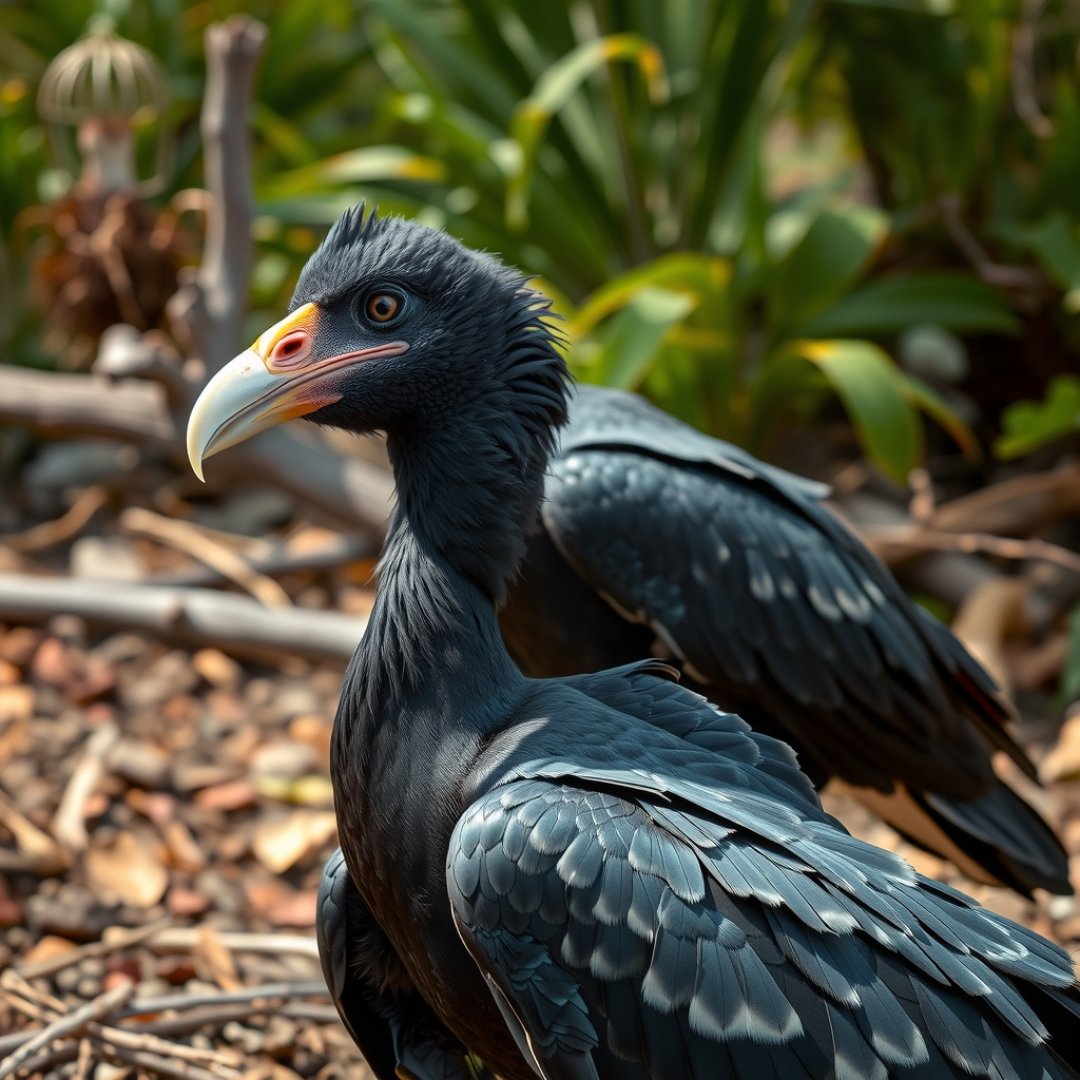
The California condor biodiversity recovery strategy represents one of the most ambitious and intensive wildlife management programs in modern history. As a critically endangered scavenger, these majestic birds once faced near-extinction, with the wild population plummeting to just 22 individuals in the 1980s. The recovery framework relies on a multifaceted approach that combines captive breeding, habitat protection, and aggressive health monitoring to mitigate the primary threats of lead poisoning and habitat loss. By examining the complex interplay between human intervention and natural resilience, we can understand why protecting the California condor biodiversity is not just about a single species, but about maintaining the functional health of entire ecosystems across North America. The long-term success of this program serves as a blueprint for global conservation efforts aimed at reviving populations on the precipice of irreversible loss.
The Scientific Foundation of Captive Breeding
Stabilizing the Population
The core of the recovery strategy was the decision to bring all remaining wild birds into captivity during the 1980s. This controversial move was necessary to prevent total extinction. Captive breeding programs utilize intensive genetic management to ensure high levels of diversity within the small population, which is crucial for the long-term viability of the species.
Reintroduction Challenges
Once breeding pairs produced sufficient offspring, the reintroduction process began. Scientists track every released bird, providing supplemental food and medical care when necessary. This high-touch management style is essential because of the lingering environmental hazards that the birds face in the wild.
Mitigating Environmental Threats
Lead Poisoning Mitigation
The primary hurdle for the recovery of the California condor is lead poisoning caused by the ingestion of lead ammunition in carrion. The biodiversity recovery strategy includes:
- Educational programs for hunters to switch to non-lead ammunition.
- Blood testing programs to check for lead levels in wild condors.
- Emergency chelation therapy for birds showing signs of toxic poisoning.
Habitat Management
Maintaining nesting sites that are free from human disturbance is equally important. Protecting vast corridors of land allows the condors to forage effectively while reducing the risk of collisions with power lines and other infrastructure.
Why Biodiversity Restoration Matters
The Ecological Role of Scavengers
California condors perform a vital service as apex scavengers. By cleaning up carcasses, they help prevent the spread of disease within the ecosystem. Their role in the food web ensures that nutrients are cycled back into the soil efficiently.
Indicator Species
The condor acts as an indicator species for the health of Western landscapes. If the condors can thrive, it suggests that the surrounding environment is also recovering from contamination and degradation. Protecting them effectively signals a commitment to broader environmental stewardship that benefits countless other native plants and animals.
Frequently Asked Questions
What caused the initial decline of the California condor?
The population declined significantly due to lead poisoning from spent ammunition, habitat loss, illegal shooting, and pesticide exposure like DDE.
How are scientists monitoring the wild population today?
Every released condor is fitted with a numbered wing tag and a GPS transmitter. Biologists conduct daily field observations and periodic health checks to ensure the birds remain healthy.
Is the California condor recovery program successful?
The program has successfully increased the total population to several hundred individuals, with a majority living in the wild, though the species remains critically endangered and dependent on ongoing management.