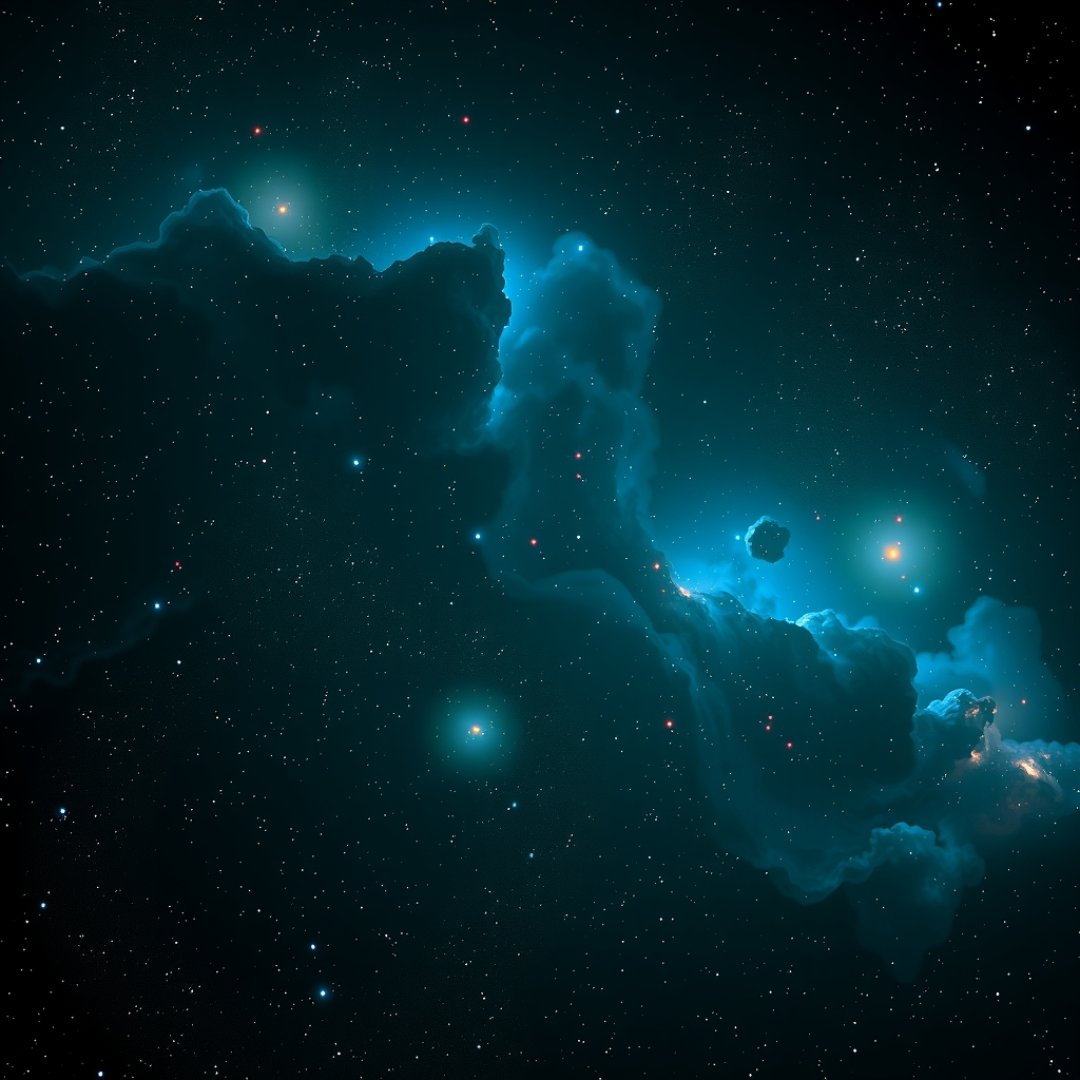
Visible to the naked eye as a fuzzy patch in the sword of the Orion constellation, the Orion Nebula stands as the most prominent stellar nursery in our night sky. The Orion Nebula stellar nursery physical structure is a vast, complex environment where massive clouds of cold molecular hydrogen are gravitationally collapsing to forge new suns. At its heart, the famous Trapezium Cluster illuminates the surrounding gas, sculpting the region into an intricate tapestry of ionized plasma, dark dust lanes, and glowing energetic fronts. Understanding this region provides astronomers with a vital window into the chaotic, violent processes that govern star birth, offering clues that explain how our own solar system might have originated from a similar cosmic cocoon billions of years ago. By studying the pressure balances and radiation feedback loops within this nursery, researchers can map the life cycle of stellar evolution with unprecedented clarity.
Molecular Clouds and Gravitational Collapse
The Birthplace of Stars
At the center of the nebula lies a massive reservoir of cold, dense molecular gas. This material is primarily hydrogen, which remains quiet and stable until gravitational instability forces it to contract. As pockets of gas become sufficiently dense, they initiate the birth of protostars.
- Cold Dense Cores: These are the precursors to stars, where gravity begins to overcome internal thermal pressure.
- Fragmentation: Larger clouds break into smaller, distinct clumps, leading to the formation of star clusters rather than isolated individuals.
- Accretion Disks: As material falls inward toward a protostar, it flattens into a spinning disk, which may eventually form planets.
The Role of Ionizing Radiation
Sculpting the Nebula
The Orion Nebula stellar nursery physical structure is defined by its interaction with high-energy radiation. Massive stars within the Trapezium Cluster emit intense ultraviolet light that strips electrons from surrounding atoms, creating an H II region of ionized plasma.
Feedback Mechanisms
This radiation does more than just glow; it actively reshapes the landscape of the nursery. The pressure from these stellar winds drives outward, carving giant cavities into the surrounding molecular material. This process, known as photoevaporation, can either encourage further star formation in neighboring dense pockets or strip away the gas before new stars can fully coalesce.
Protoplanetary Disks and Future Worlds
Observing Planetary Genesis
Perhaps the most significant aspect of the Orion Nebula is the presence of proplyds—protoplanetary disks found surrounding young stars. These disks provide direct evidence of planetary system formation in action.
- Disk Survival: Astronomers study how these disks endure the harsh radiation environment of the cluster.
- Chemical Signatures: Spectroscopy allows scientists to detect water vapor, carbon monoxide, and organic precursors within the disks.
- Evolutionary Timeline: The varying ages of stars within the region provide a chronological look at how gas-rich disks evolve into solid planetary debris.
Frequently Asked Questions
How far away is the Orion Nebula from Earth?
The Orion Nebula is located approximately 1,344 light-years away from Earth.
What is the Trapezium Cluster?
The Trapezium Cluster is a tight grouping of massive, hot stars at the center of the Orion Nebula that provides the majority of the ultraviolet radiation responsible for ionizing the gas.
Can I see the Orion Nebula without a telescope?
Yes, under dark sky conditions, the Orion Nebula appears as a faint, fuzzy star-like patch located in the ‘sword’ hanging from Orion’s Belt.