
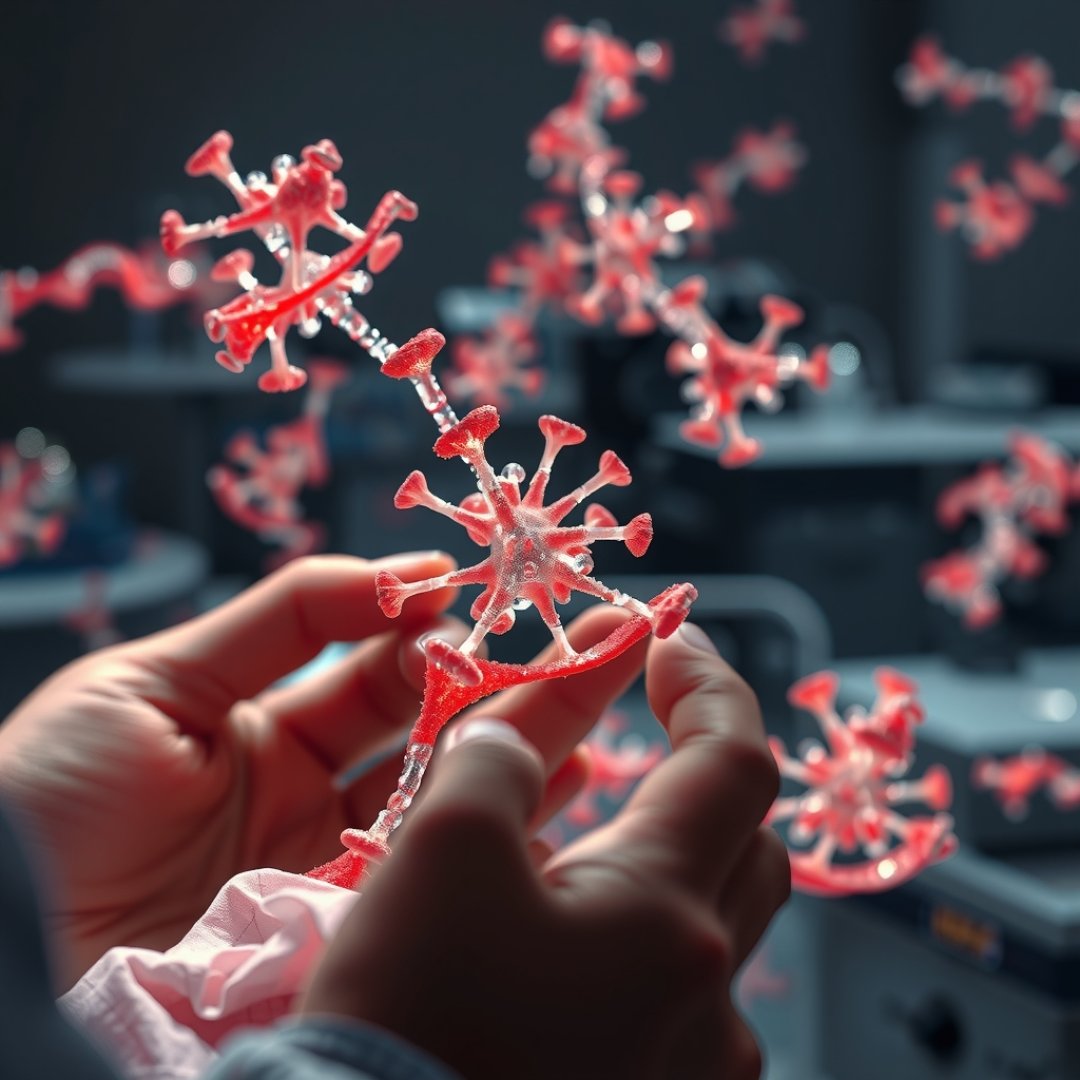
The integration of CRISPR gene editing rapid diagnostic utility marks a transformative shift in the landscape of molecular biology. While CRISPR is widely known for its ability to modify genomic sequences with unprecedented precision, researchers have successfully repurposed the underlying mechanisms of these molecular scissors to serve as highly sensitive diagnostic platforms. By leveraging the collateral cleavage activity of enzymes like Cas12 and Cas13, scientists can now detect specific viral or bacterial genetic signatures with extreme accuracy. This shift from therapeutic application to diagnostic implementation enables rapid, point-of-care testing that bypasses the need for complex laboratory equipment. As healthcare systems globally seek efficient ways to manage outbreaks, the unique adaptability of CRISPR-based detection offers a scalable solution that promises to redefine how we identify and respond to infectious diseases in real-time settings.
The Mechanism Behind CRISPR-Based Diagnostics
How It Functions
At the core of these diagnostic tools lies the target-seeking capability of the CRISPR-Cas system. Unlike traditional sequencing methods, CRISPR diagnostic platforms use a guide RNA to identify specific target sequences within a sample. Once the target is located, the Cas enzyme does not merely edit; instead, it exhibits a ‘trans-cleavage’ effect. This property allows the enzyme to cut nearby reporter molecules, resulting in a visible signal or fluorescence that confirms the presence of the pathogen.
- High Specificity: The guide RNA ensures only the intended sequence triggers the reaction.
- Signal Amplification: Trans-cleavage events trigger a cascading effect that makes even low-abundance targets visible.
- Portable Design: The hardware requirements are minimal compared to standard PCR equipment.
Advantages Over Conventional Testing
Speed and Accessibility
Traditional diagnostic gold standards like PCR (Polymerase Chain Reaction) often require thermal cycling equipment and highly trained personnel, which can be a bottleneck during major health crises. In contrast, the rapid diagnostic utility of CRISPR provides several key benefits for clinicians and public health workers:
- Rapid Turnaround: Results can often be generated in under an hour, facilitating immediate medical decision-making.
- Cost-Effectiveness: The reagents are relatively inexpensive to produce and do not require specialized cold-chain logistics as strictly as traditional assays.
- Versatility: These platforms can be rapidly reconfigured to target new mutations or novel pathogen variants, offering a significant advantage in rapidly evolving epidemiological landscapes.
Future Outlook and Scalability
Bridging the Gap in Global Health
The future of CRISPR gene editing tools in diagnostics lies in their integration into consumer-friendly, handheld devices. By developing paper-based lateral flow assays, researchers aim to bring advanced laboratory precision to remote areas and resource-limited settings. This democratization of high-quality testing is essential for global surveillance of zoonotic diseases and antibiotic-resistant bacteria. As the regulatory landscape matures, we anticipate that these diagnostic kits will become staples in clinics, pharmacies, and emergency response units, significantly enhancing our ability to maintain public safety through early detection.
Frequently Asked Questions
Is CRISPR diagnostic technology the same as gene therapy?
No. While both utilize CRISPR-Cas proteins, diagnostics use the system to identify genetic sequences, whereas gene therapy uses it to modify or repair them.
How quickly can CRISPR diagnostic tests provide results?
Most CRISPR-based diagnostic tests are designed to provide results in approximately 30 to 60 minutes, significantly faster than traditional lab-based methods.
Can this technology detect multiple diseases at once?
Yes, multiplexing is a key area of research, allowing scientists to design assays that identify several different pathogens or mutations in a single sample.