
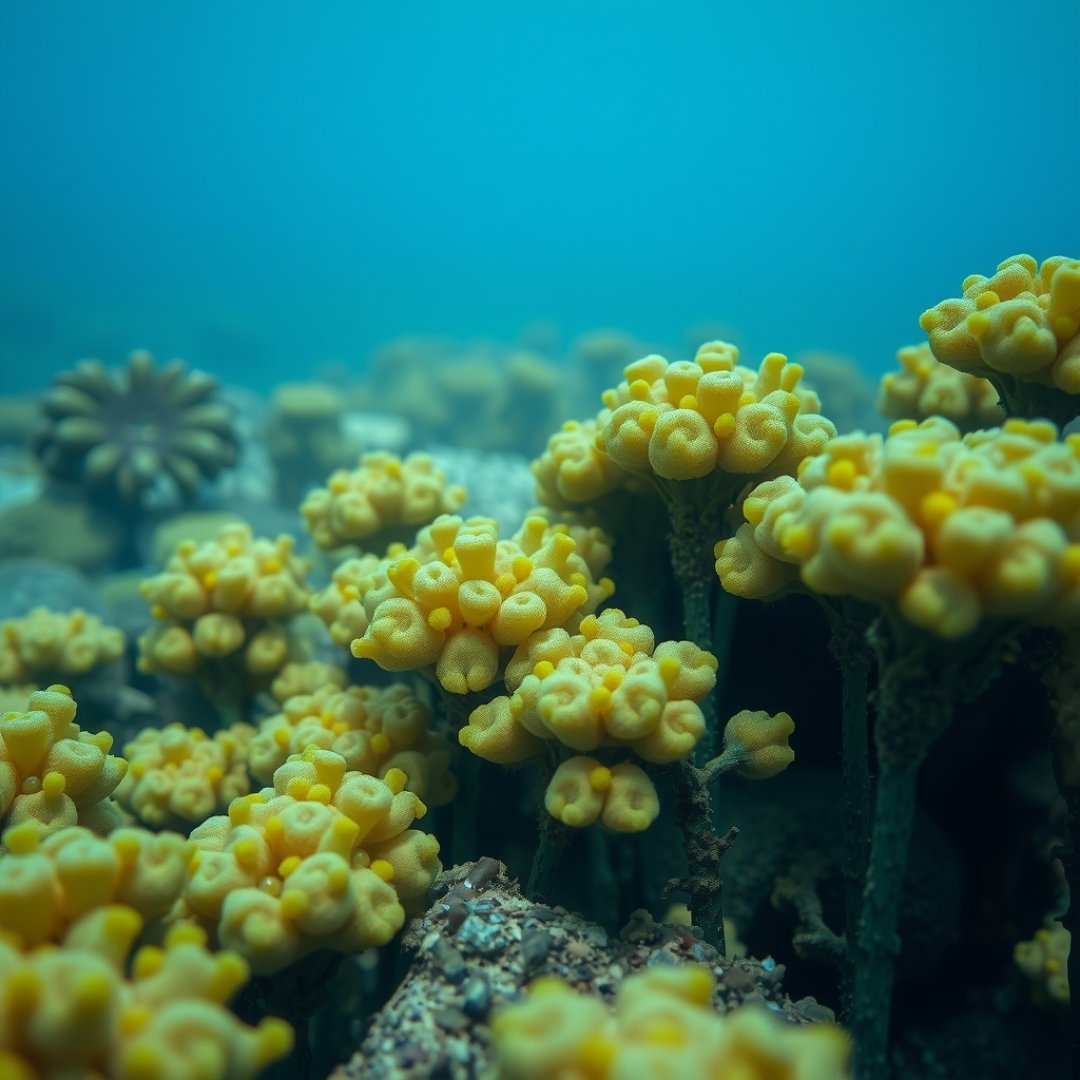
The urgency of addressing global warming has focused scientific attention on natural, ocean-based processes that can mitigate greenhouse gas levels. Among the most promising subjects is cyanobacteria marine carbon sequestration, an essential biological mechanism where these photosynthetic microorganisms capture atmospheric carbon dioxide and store it within the ocean depths. As primary producers in the marine ecosystem, cyanobacteria utilize solar energy to convert inorganic carbon into organic compounds, effectively acting as tiny biological pumps that pull carbon from the atmosphere. Understanding the scalability and efficiency of this process is vital for future climate modeling. By examining how these ancient organisms influence the global carbon cycle, researchers hope to harness their natural abilities to provide a sustainable buffer against rising temperatures, potentially transforming our approach to environmental restoration and long-term carbon storage strategies.
The Biological Mechanism of Carbon Capture
Photosynthesis and the Carbon Pump
At their core, cyanobacteria are masters of photosynthesis, a process that converts sunlight and carbon dioxide into cellular biomass. Unlike terrestrial forests, these organisms live in the vast, nutrient-rich environments of the ocean’s surface layer. When they consume carbon dioxide, they incorporate it into their own cellular structures, effectively trapping the carbon until they expire.
The Role of Biomass Export
The efficiency of marine carbon sequestration depends on what happens after the cells die. Known as the biological pump, this cycle involves organic carbon sinking to the deep ocean floor. Once this material reaches the abyssal zones, it can remain trapped for centuries, effectively removing it from the short-term atmospheric carbon cycle.
Ecological Factors Influencing Efficiency
Nutrient Availability
The rate at which cyanobacteria fix carbon is heavily dependent on the presence of specific nutrients such as iron, nitrogen, and phosphorus. In many regions of the ocean, these nutrients are scarce, which limits the growth rates of these microorganisms.
Environmental Challenges
- Temperature Shifts: Rising ocean temperatures can alter metabolic rates, potentially disrupting the carbon-fixing efficiency of certain species.
- Ocean Acidification: Increased acidity changes the chemistry of the water, which may interfere with the physiological processes of various cyanobacteria strains.
- Vertical Mixing: Changes in ocean stratification can impact how quickly carbon-rich debris is transported to the deep sea.
Future Implications for Climate Engineering
Scaling Natural Solutions
Advocates for nature-based solutions suggest that by managing or stimulating cyanobacteria populations, we might amplify the natural rate of carbon capture. This could involve targeted nutrient enhancement in specific marine zones to trigger larger blooms, effectively acting as an oceanic carbon sink.
Risks and Ethical Considerations
While the potential is high, scientists urge caution regarding large-scale geoengineering. Manipulating marine ecosystems carries the risk of unforeseen consequences, such as:
- Harmful algal blooms that deplete oxygen.
- Shifts in marine food webs that could affect commercial fisheries.
- Disruption of local biodiversity and microbial community balance.
Frequently Asked Questions
What is cyanobacteria marine carbon sequestration?
It is the natural process where cyanobacteria capture CO2 from the atmosphere during photosynthesis and sink that carbon to the deep ocean when they die.
Why are cyanobacteria important for the climate?
They are responsible for a significant portion of marine primary production and help regulate atmospheric CO2 levels by moving carbon into long-term storage in the deep sea.
Can we artificially increase carbon sequestration using cyanobacteria?
While theoretically possible through nutrient fertilization, it remains a controversial and complex area of research due to potential risks of ecological imbalance.