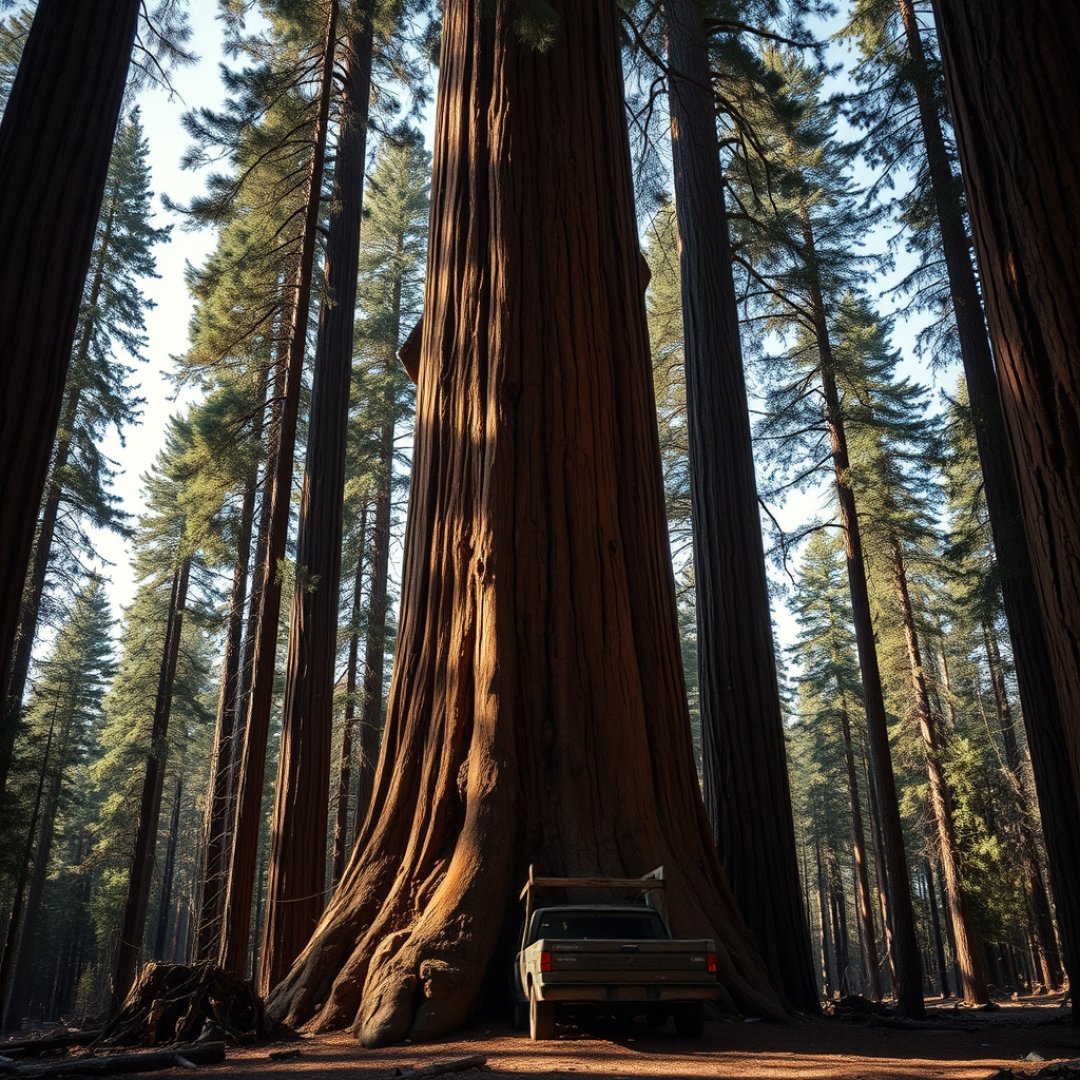
For thousands of years, the towering monarch of the Sierra Nevada has faced the heat of natural cycles. Exploring Giant Sequoias resilience reveals a complex evolutionary strategy that allows these colossal organisms to withstand the intense heat of forest fires. Their thick, fibrous bark serves as a protective shield, insulating vital living tissue from flames that would easily consume lesser trees. This remarkable biological engineering is not just a defense mechanism; it is a vital part of the species’ life cycle, as high-intensity heat often facilitates the opening of their cones and clears the understory for new growth. As climate change increases the frequency and intensity of catastrophic burns, researchers are closely studying how these massive trees maintain their defensive integrity. Understanding the mechanisms behind Giant Sequoias resilience is essential for forest management, helping us determine how to best protect these ancient giants as they navigate an increasingly volatile and fire-prone landscape in the modern era.
Biological Defenses Against Fire
Adapting to Heat
The primary factor in the survival of these trees is their unique bark. Giant Sequoias bark can grow up to two feet thick, containing high concentrations of tannins that provide natural fire resistance. This layer lacks resin, which prevents it from becoming a fuel source during a blaze.
The Role of Canopy Height
By shedding lower branches as they mature, these trees effectively raise their canopy away from ground-level flames. This physical separation prevents surface fires from climbing into the crown, where they could cause fatal damage to the tree’s primary growing mechanisms.
The Ecological Necessity of Fire
Seed Germination Tactics
The reproductive success of these trees is closely linked to fire events. The heat from a forest fire performs two critical tasks:
- It dries out the serotinous cones, forcing them to release thousands of seeds into the forest floor.
- It clears away competing vegetation and layers of duff, exposing the mineral-rich soil necessary for seedlings to take root.
Challenges in the Modern Era
Changing Fire Regimes
While evolution prepared them for light, frequent surface fires, the current era of climate change has introduced more frequent, high-intensity megafires. These events can overwhelm the natural defenses of even the oldest specimens.
Management and Mitigation
Forest managers are now implementing specific strategies to assist natural resilience:
- Prescribed burns to reduce excessive fuel loads near groves.
- Mechanical thinning of smaller, encroaching tree species.
- Careful monitoring of bark beetle stress in drought-affected areas.
Frequently Asked Questions
Are giant sequoias immune to forest fires?
No, they are not immune. While they have evolved excellent defenses, they can still be killed by extreme, high-intensity fires that exceed their threshold for thermal damage.
Why is fire good for giant sequoia groves?
Fire clears undergrowth, releases seeds from the cones, and creates the specific soil conditions required for young sequoias to successfully germinate and grow.
How thick is the bark of a mature giant sequoia?
The bark of a mature giant sequoia can reach thicknesses of up to 24 inches, providing significant protection against surface fires.