
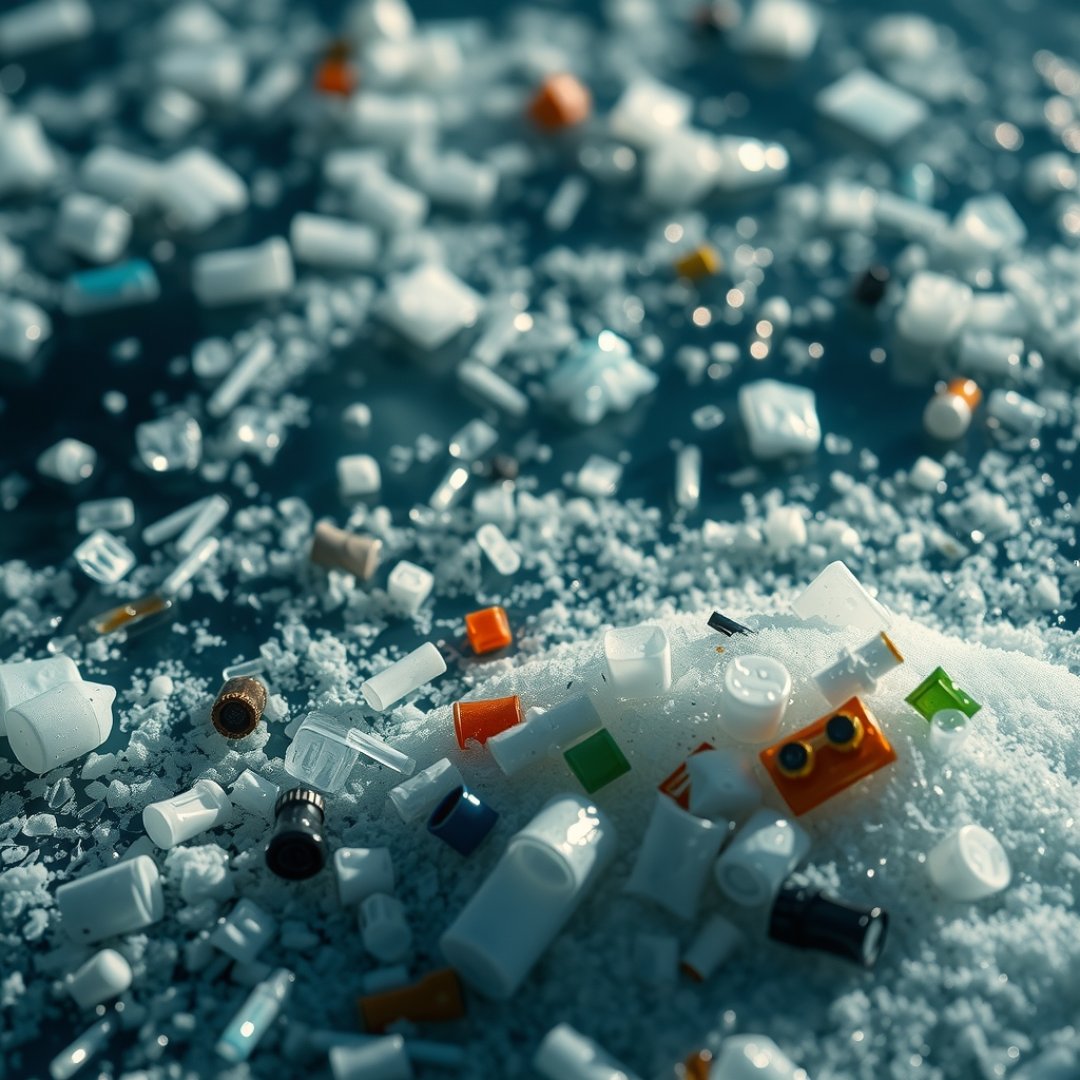
When major storm systems sweep across the landscape, their destructive capacity is typically measured in wind speeds and rainfall volumes. However, recent scientific inquiry into the wake of severe weather events has highlighted a subtler, more pervasive danger: Hurricane Helene microplastics deposition. This phenomenon occurs when extreme turbulence and flooding transport vast quantities of synthetic fibers and particles from terrestrial sources—such as landfills, industrial sites, and urban centers—into pristine wilderness areas and sensitive watersheds. Understanding how these pollutants are redistributed is critical, as Hurricane Helene microplastics represent a novel form of environmental contamination that can persist for decades, entering food chains and disrupting the biological processes of aquatic and land-based organisms alike.
Mechanisms of Storm-Driven Plastic Transport
How Storms Mobilize Synthetic Particles
Major hurricanes like Helene function as powerful pumps that mobilize pollutants previously anchored in soil or urban waste. As floodwaters surge through metropolitan drainage systems and across industrial peripheries, they collect a diverse array of fragmented plastic debris. This mixture, once liberated, follows the hydrological cycle, eventually depositing these materials into sediment-heavy floodplains.
Atmospheric Redistribution
Beyond simple water transport, the high-velocity winds associated with severe tropical systems can aerosolize lightweight plastic fibers. As these winds dissipate, the subsequent rainfall acts as a primary vehicle for wet deposition, effectively washing airborne synthetic pollutants into remote ecological niches that were previously considered relatively clean.
Long-term Ecological Consequences
Impact on Aquatic Ecosystems
The accumulation of plastic particles in stagnant floodwaters and downstream water bodies creates a long-term toxic legacy. Aquatic organisms, ranging from microscopic zooplankton to larger fish species, may inadvertently ingest these particles, which can leach chemical additives such as phthalates and bisphenol-A into their tissues. This process leads to:
- Disruption of metabolic endocrine functions in marine life.
- Physical obstruction of digestive tracts in smaller organisms.
- Bioaccumulation of toxins through the trophic web.
Soil Health and Terrestrial Contamination
When floodwaters recede, they leave behind a layer of sediment enriched with microscopic synthetic debris. This contamination can alter soil structure, potentially affecting plant root growth and the microbial communities responsible for nutrient cycling, which are vital for post-storm recovery efforts.
Monitoring and Future Mitigation
Current Tracking Methodologies
Scientists are increasingly using isotopic labeling and advanced spectroscopy to track the movement of particles attributed to specific weather events. Distinguishing the markers of Hurricane Helene microplastics from baseline environmental pollutants allows researchers to quantify the exact volume of redistribution caused by the storm, providing a blueprint for disaster management.
Strategies for Remediation
Addressing the fallout of storm-driven pollution requires a multi-faceted approach to urban planning and watershed management. Key strategies include:
- Improving storm-water filtration systems to trap debris before it enters major waterways.
- Implementing more robust landfill containment measures in flood-prone zones.
- Prioritizing post-storm site assessments to identify areas of concentrated pollutant deposition.
Frequently Asked Questions
What are the primary sources of microplastics during a hurricane?
Microplastics are typically sourced from urban runoff, overflowing sewage systems, industrial waste sites, and the erosion of synthetic materials on the surface which are mobilized by high-velocity wind and water.
Why is microplastic deposition considered a long-term threat?
Because microplastics are chemically stable and resistant to natural degradation, they remain in the environment for decades, constantly circulating through ecosystems and the food chain.
Can these plastics enter the human water supply?
Yes, storm-driven plastic deposition can contaminate local watersheds and reservoirs, requiring municipal water treatment facilities to enhance filtration protocols to effectively capture these smaller particles.