
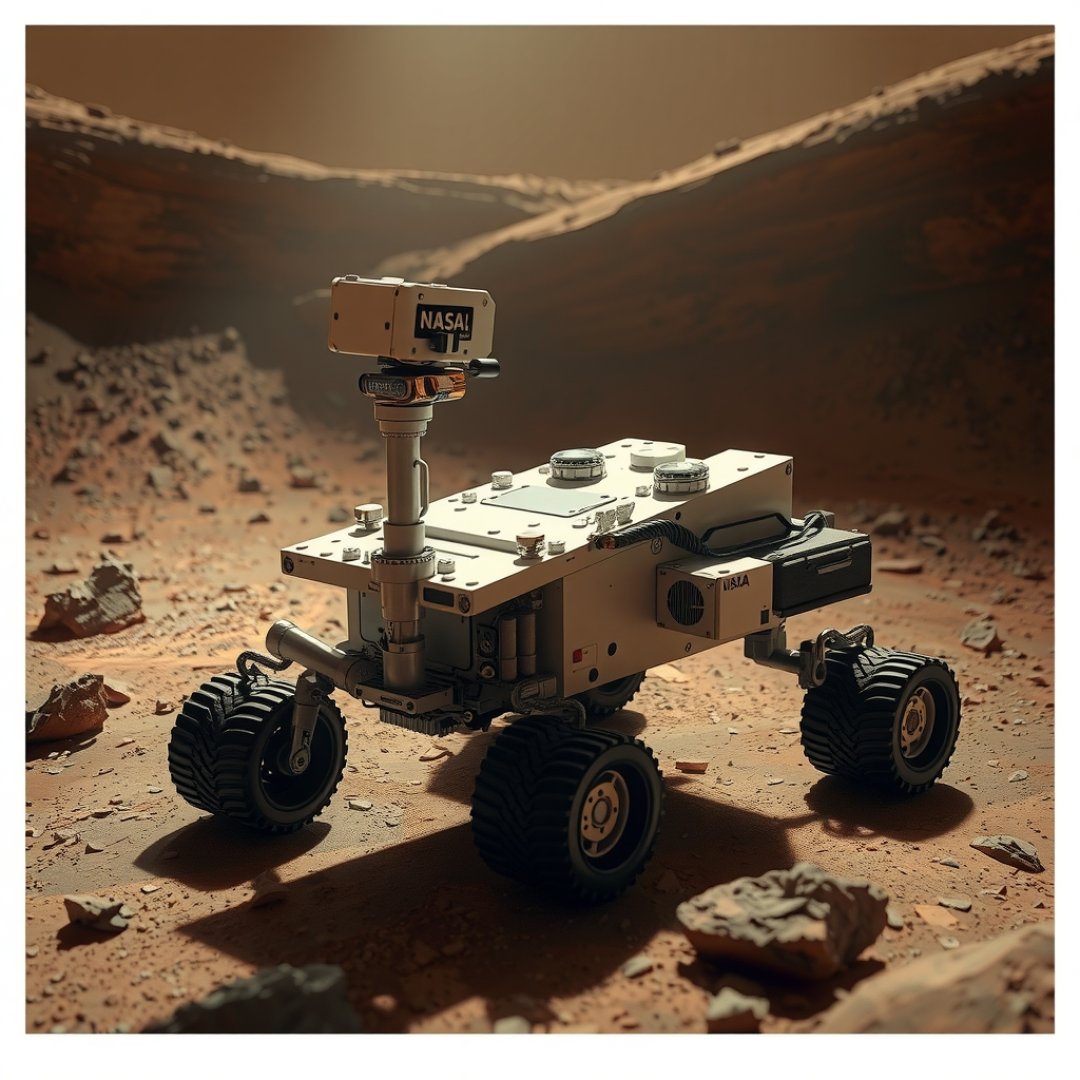
Since touching down in Gale Crater over a decade ago, the Mars Curiosity Rover has fundamentally reshaped our understanding of the fourth planet from the sun. Designed to investigate the region’s climate and geology, this robotic laboratory has traversed rugged terrain to determine whether the environment could have ever supported microbial life. By analyzing chemical markers in the martian soil and drilling into ancient sedimentary rock, the rover acts as our robotic eyes, piecing together a complex history of liquid water and potential habitability that stretches back billions of years. As the vehicle continues its slow, methodical climb up the slopes of Mount Sharp, it provides an invaluable dataset for planetary scientists, bridging the gap between planetary formation and the current cold, dry conditions observed today.
Exploring Gale Crater and Mount Sharp
Geological Targets
The selection of Gale Crater as a landing site was no accident. Scientists identified the crater as a high-priority location due to the presence of a massive, layered mound known as Mount Sharp. Curiosity has spent years examining these sedimentary layers, which serve as a geological record of the planet’s environmental evolution.
- Identifying minerals that form in the presence of water.
- Documenting the transition from a wet to a dry climate.
- Mapping topographical changes across the crater floor.
Evidence of Ancient Habitable Environments
Chemical Biosignatures
One of the primary objectives of the mission was to assess past habitability. Curiosity successfully confirmed that Gale Crater hosted a long-lived lake system that featured the essential chemical ingredients for life, including carbon, hydrogen, nitrogen, oxygen, phosphorus, and sulfur.
The discovery of organic molecules preserved within ancient mudstone suggests that Mars was not just a desolate rock, but a dynamic, evolving world with the potential to foster biological precursors long ago.
The Evolution of Martian Climate
Tracking Planetary Changes
Beyond searching for life, the mission is crucial for understanding how Mars lost its thick atmosphere and global water supply. The rover uses an array of advanced sensors to measure seasonal changes in atmospheric composition and radiation levels.
Long-Term Climate Trends
By comparing drill samples from different elevations on Mount Sharp, the team can analyze how the chemical composition of the martian atmosphere fluctuated over time, providing a window into the catastrophic drying event that transformed the landscape into the frozen desert we see today.
Frequently Asked Questions
What is the primary goal of the Mars Curiosity Rover?
The mission aims to determine whether Mars was ever capable of supporting microbial life by studying its geology and climate history in Gale Crater.
Why is Mount Sharp significant to the mission?
Mount Sharp contains sedimentary layers that act as a geological timeline, allowing scientists to reconstruct the environmental history of Mars over millions of years.
Has Curiosity found life on Mars?
Curiosity has not found life, but it has found evidence of ancient habitable environments and organic molecules, which are the necessary building blocks for life as we know it.