
Skip to content
  • About Cosmica

Search Site

The universe, explained.

Tag: Astrobiology

Home ยป Astrobiology
Astronomy and Science
November 8, 2026

Dragonfly Rotorcraft Mission Titan Atmospheric Exploration: Unlocking Secrets of the Moon

The Dragonfly Rotorcraft Mission represents one of the most ambitious endeavors in NASA’s New Frontiers program, aiming to land a revolutionary aerial vehicle on the surface of Saturn’s largest moon, Titan. Unlike traditional rovers that traverse dusty terrain on wheels, this dual-quadcopter is designed to take flight in an...

Continue reading
Astronomy and Science
October 28, 2026

Habitable Zone Exoplanet Starbirth Mechanisms and Planetary Stability

The quest to find life beyond Earth hinges on understanding the complex processes behind habitable zone exoplanet starbirth mechanisms. When a molecular cloud collapses to form a new star, the surrounding protoplanetary disk becomes the cradle for future worlds. The specific dynamics of this environment determine whether a planet...

Continue reading
Astronomy and Science
October 17, 2026

Mars Soil Composition and Agricultural Viability for Future Missions

Understanding Mars soil composition is a foundational prerequisite for any long-term human presence beyond Earth. As space agencies prepare for potential crewed missions, the ability to cultivate crops in situ becomes a critical factor for mission sustainability. Unlike the nutrient-rich humus found on our home planet, the Martian regolith...

Continue reading
Astronomy and Science
September 30, 2026

LHS 1140b Atmospheric Composition Observation Potential and Habitability

Located approximately 48 light-years from Earth, the exoplanet LHS 1140b has emerged as a premier target for modern astrobiology. Unlike many other M-dwarf planets that suffer from intense stellar radiation, this super-Earth resides in the conservative habitable zone of its host star. Recent data from the James Webb Space...

Continue reading
Astronomy and Science
September 26, 2026

Understanding Enceladus Subsurface Ocean Habitability Potential

Among the many celestial bodies in our solar system, the icy moon of Saturn known as Enceladus stands out as one of the most promising locations for finding extraterrestrial life. Beneath its frozen, geologically active crust lies a vast liquid water reservoir, often referred to as the Enceladus subsurface...

Continue reading
Astronomy and Science
August 18, 2026

Mars Curiosity Rover Geological Discovery Mission: Uncovering Ancient History

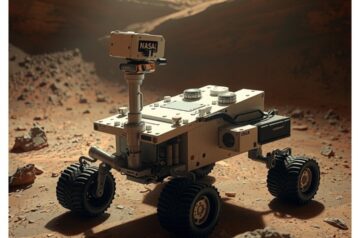
Since touching down in Gale Crater over a decade ago, the Mars Curiosity Rover has fundamentally reshaped our understanding of the fourth planet from the sun. Designed to investigate the region’s climate and geology, this robotic laboratory has traversed rugged terrain to determine whether the environment could have ever...

Continue reading
Astronomy and Science
August 12, 2026

Europa Internal Ocean Exploration: Navigating Technical Challenges

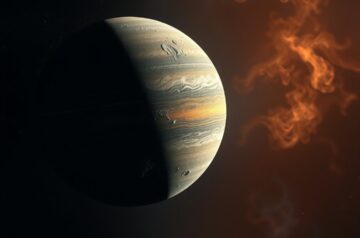
The icy surface of Jupiter’s moon, Europa, has long captivated the scientific community as one of the most promising locations for finding extraterrestrial life. Beneath its frozen, shell-like crust lies a vast, liquid water body known as the Europa internal ocean, which is estimated to be miles deep and...

Continue reading
2026 © The universe, explained.Privacy PolicyTheme by SiteOrigin