As global temperatures rise and water scarcity becomes a defining challenge for modern farming, the prickly pear cactus has emerged as a resilient botanical powerhouse with significant untapped value. Known scientifically as Opuntia, this hardy succulent has been cultivated for centuries in arid environments, but its role in modern food security is only just beginning to be fully appreciated. By examining the prickly pear cactus agricultural potential, researchers have discovered that it provides not only high-nutrient fruit and forage but also remarkable water-use efficiency that dwarfs most conventional crops. This plant thrives in poor soils where traditional agriculture fails, offering a buffer against desertification and providing a reliable income stream for communities in harsh climates. As we face increasing climate instability, integrating such drought-tolerant species into global agricultural systems may prove essential for maintaining long-term food production stability in regions once considered too dry for cultivation.
Biological Resilience and Water Efficiency
Crassulacean Acid Metabolism
The secret to this plant’s success lies in its specialized photosynthetic process known as Crassulacean Acid Metabolism (CAM). Unlike typical crops that lose significant moisture during the day, this cactus keeps its stomata closed throughout the daylight hours, opening them only at night to absorb carbon dioxide. This unique physiological adaptation allows it to survive extreme heat while consuming up to eighty percent less water than conventional irrigated crops.
Soil Restoration Capabilities
Beyond its water savings, these cacti act as natural soil stabilizers. Their root systems prevent wind erosion in arid landscapes, while the organic matter provided by decaying pads improves soil quality over time, creating a better environment for intercropped species to eventually take root.
Multifunctional Uses in Industry and Nutrition
Nutritional Value
The fruit, known as tuna, is packed with antioxidants, vitamins, and minerals. When processed, it serves as a valuable ingredient in beverages, jellies, and natural food colorings. Beyond the fruit, the cladodes (pads) are increasingly used as a low-cost, high-fiber forage for livestock, particularly during severe drought periods when traditional grasses disappear.
Industrial Applications
The mucilage found within the plant is finding use in the cosmetics and bioplastics industries. Its sticky, gel-like properties make it an effective natural binding agent for water purification and as a thickening component in various sustainable manufacturing processes, effectively moving the plant from a niche food source to a versatile industrial raw material.
Challenges to Large-Scale Implementation
Mechanization Constraints
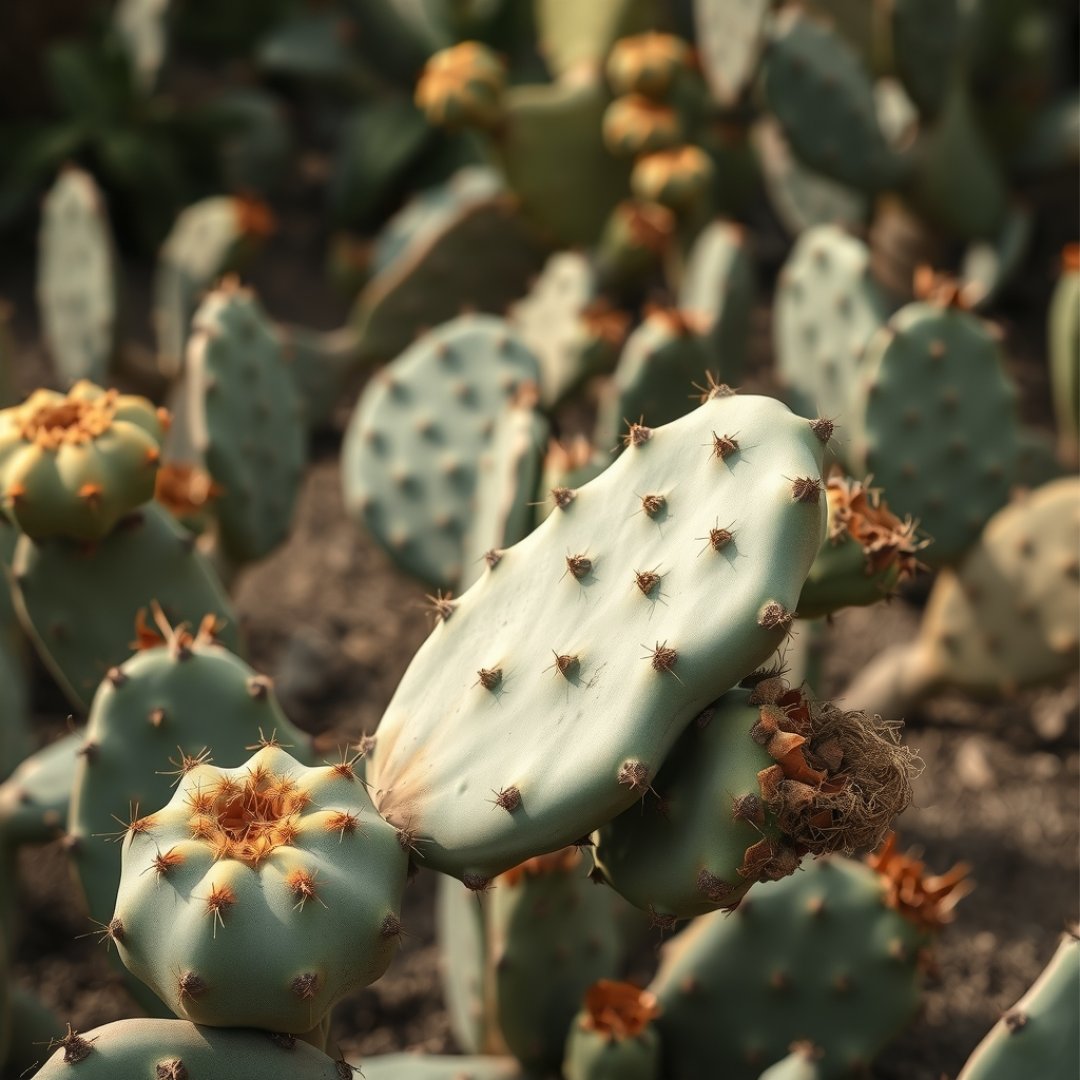
One of the primary hurdles to scaling production is the presence of spines on many wild varieties. While thornless cultivars exist, breeding programs must focus on maintaining drought tolerance while improving ease of harvesting. Automated mechanical harvesters are currently being designed to reduce labor costs, which is vital for competing in the global agricultural market.
Market Development
Consumer awareness remains a significant factor in commercial success. Integrating this superfood into global supply chains requires education regarding its culinary uses and health benefits. As local markets become more familiar with these products, the economic viability of large-scale plantations is projected to increase significantly.
Frequently Asked Questions
Is the prickly pear cactus easy to farm?
Yes, it is highly resilient and requires very little maintenance once established, but requires specific soil drainage and sun exposure to thrive.
How does this plant save water?
It uses a specialized photosynthetic process called CAM, which allows the plant to take in carbon dioxide at night, minimizing water loss from evaporation.
Can animals eat prickly pear cactus?
Yes, many varieties are used as fodder for cattle and goats, particularly during droughts, provided the spines are properly removed or burned off.