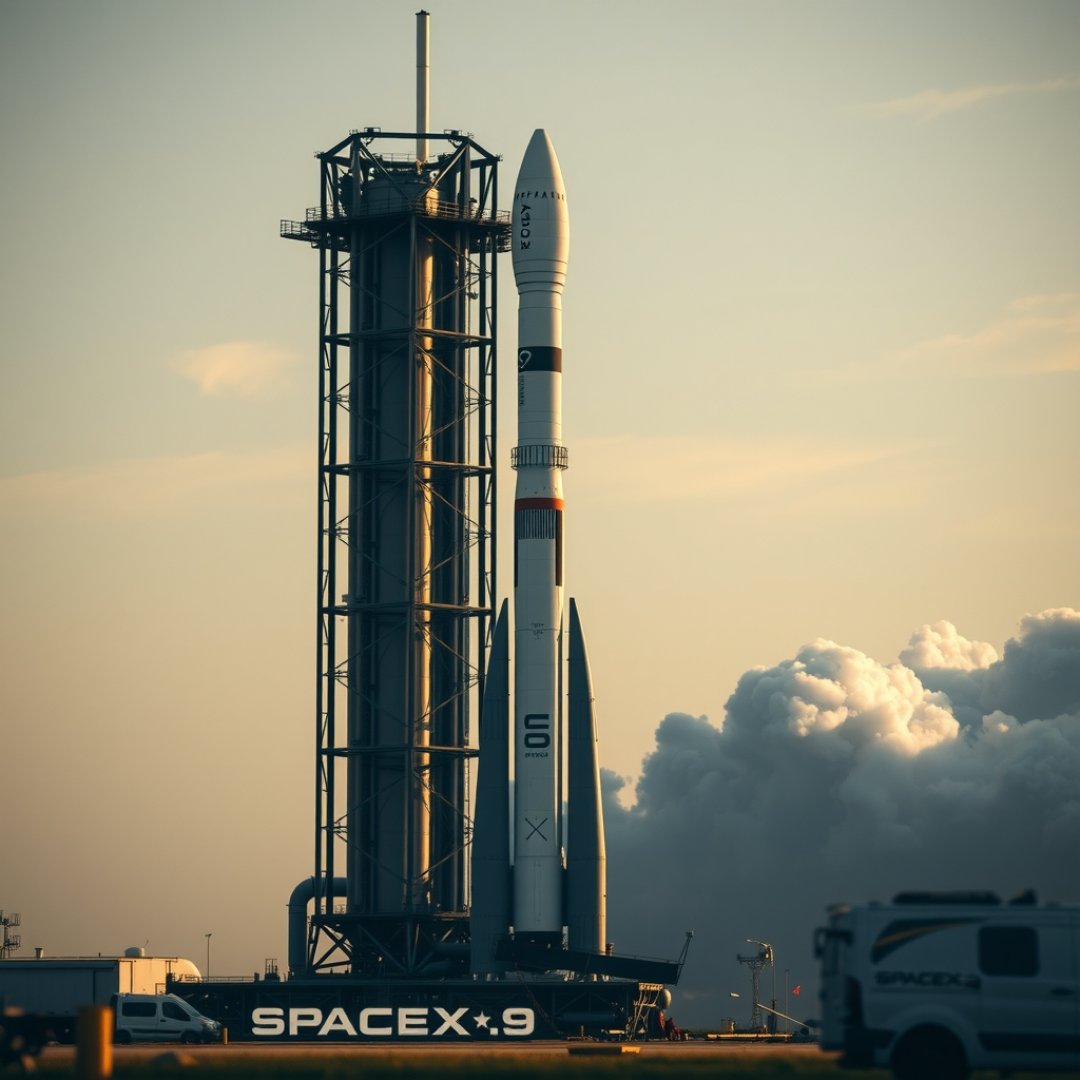
The Falcon 9 rocket has fundamentally altered the economics of space travel through its pioneering reusable launch mechanics. By successfully returning the primary booster stage to Earth, SpaceX transformed what was once a disposable hardware paradigm into a sustainable model of orbital logistics. This process relies on a complex synchronization of supersonic retro-propulsion, grid fin steering, and precision landing burns to guide the vehicle back to a landing pad or droneship. Understanding the intricacies of these maneuvers reveals how modern engineering overcomes the extreme thermal and mechanical stresses of atmospheric reentry. Beyond the technical achievement, this capability has significantly lowered the cost of deploying payloads, enabling rapid satellite constellation expansion and deeper scientific research initiatives that were previously cost-prohibitive for government and private entities alike.
The Phases of Atmospheric Reentry
Execution of the Boost-Back Burn
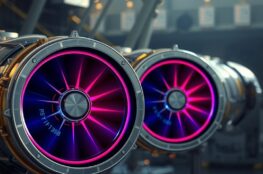
Once the primary payload is successfully deployed into orbit, the first stage initiates a series of maneuvers to reverse its momentum. The boost-back burn uses a subset of the Merlin 1D engines to shift the vehicle’s trajectory back toward the landing site. This phase is critical for ensuring the booster remains within the operational vicinity of the recovery vessel.
Grid Fin Control Systems
During the hypersonic descent, the Falcon 9 uses four titanium grid fins to steer the booster through the atmosphere. These fins act as aerodynamic control surfaces, adjusting their orientation to maintain stability and guide the vehicle toward the target coordinate. The heating generated during this phase is immense, necessitating the use of advanced materials capable of withstanding extreme thermal loads.
Propulsive Landing Dynamics
Supersonic Retro-Propulsion
As the booster approaches the ground, it enters the supersonic retro-propulsion phase. By firing its engines against the direction of travel, the rocket creates a gas barrier that slows its descent significantly. This technique is counterintuitive, as the engines must fight the force of gravity while simultaneously acting as an aerodynamic brake.
The Final Landing Burn
The final landing burn is a precision-timed event where the remaining engine core reduces the booster’s vertical velocity to near zero just as it touches down. A suite of onboard sensors and real-time flight computers monitor the rocket’s position relative to the landing platform, making sub-millisecond adjustments to throttle and gimbal settings to ensure a soft and upright landing on the autonomous droneship.
Refurbishment and Sustainability
Post-Flight Inspection
Recovery is only the first step in the cycle. Once the vehicle is secured, it undergoes a comprehensive inspection process to evaluate the structural integrity of the airframe. Engineers examine the engine nozzles, heat shielding, and internal avionics for any signs of fatigue or thermal degradation.
Economic Impact of Reusability
- Reduced Launch Costs: Refurbishment allows for significantly lower mission prices compared to expendable launchers.
- Launch Cadence: Rapid turnaround times enable more frequent missions to orbit.
- Hardware Longevity: Lessons learned from multi-flight boosters inform the development of next-generation launch vehicles.
Frequently Asked Questions
How does the Falcon 9 land vertically?
The rocket uses its main engines to slow down during descent, combined with steerable grid fins for aerodynamic control and landing legs that deploy just seconds before touchdown.
Can the Falcon 9 rocket be reused indefinitely?
While highly reusable, each booster has a limit based on structural health. SpaceX performs rigorous inspections and maintenance to ensure each flight meets strict safety standards.
What is the purpose of the droneship?
The autonomous spaceport drone ship provides a stable, mobile landing platform at sea, allowing the booster to land closer to its required trajectory rather than needing to fly back to land.