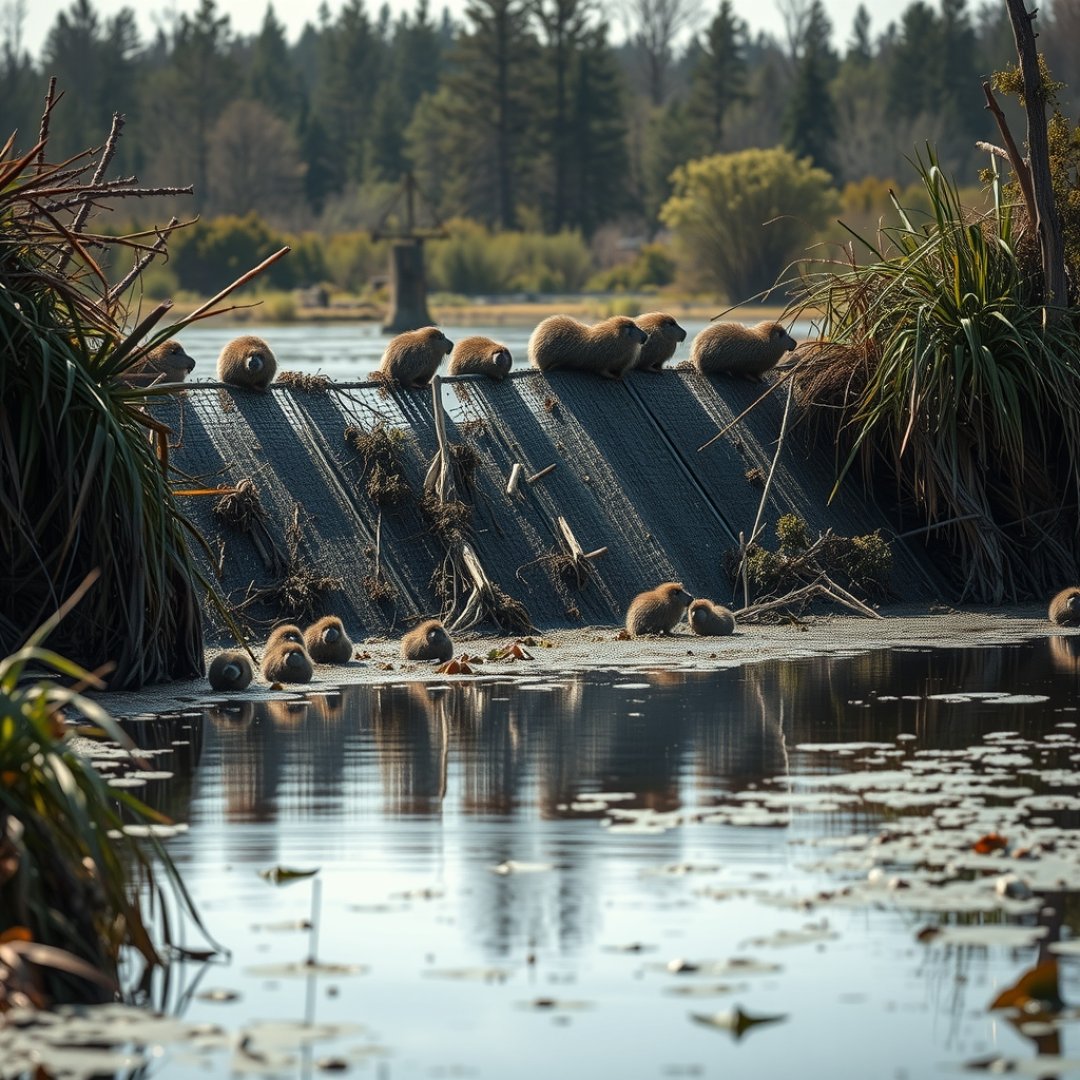
When we observe natural landscapes, few creatures exert as much transformative power on their surroundings as the North American beaver. Through sophisticated beaver dam engineering, these rodents act as nature’s most effective hydraulic engineers, fundamentally altering the hydrology of entire watersheds. By constructing complex structures made of wood, mud, and vegetation, they slow the flow of moving water, which significantly enhances environmental water retention across arid and riparian zones. This intentional manipulation of streamflow does more than just create a pond; it effectively recharges groundwater tables, filters out pollutants, and establishes expansive, lush habitats that support a wide array of wildlife. As climate change continues to intensify cycles of extreme flooding and persistent drought, the natural resilience provided by these aquatic architects is being recognized by researchers and land managers as an essential, low-cost strategy for restoring degraded stream systems and securing critical water resources for the future.
The Mechanics of Hydraulic Alteration
How Structures Influence Flow
The core of beaver dam engineering relies on the strategic placement of woody debris to dissipate kinetic energy. When water hits a dam, its velocity is drastically reduced, causing sediments to settle behind the barrier. This process transforms rapidly moving, high-energy streams into slow, meandering wetland complexes.
- Sediment Trapping: Allows nutrient-rich soils to accumulate, promoting lush vegetation.
- Water Table Recharge: Increased surface water depth forces moisture into the surrounding soil, elevating groundwater levels.
- Temperature Regulation: Deeper, cooler pools provide thermal refugia for aquatic species during peak summer heat.
Ecological Benefits and Biodiversity
A Catalyst for Thriving Ecosystems
The environmental impacts of these dams extend far beyond the water itself. By creating diverse micro-habitats, beaver-engineered landscapes become biodiversity hotspots. Wetland mosaic development is a primary outcome, where the alternating patterns of open water, marsh, and shrub-land support specialized plant and animal species that would otherwise struggle in a single-channel stream environment.
Furthermore, these zones act as biological filters. As water lingers in the ponded areas, physical and chemical processes break down organic matter and absorb excess nitrates, leading to improved water quality for downstream inhabitants.
Climate Resilience in Modern Landscapes
Mitigating Drought and Flood Risk
Modern conservationists are increasingly turning to beaver dam engineering as a solution to climate-related water instability. In regions prone to wildfire, the damp meadows created by beaver activity act as natural firebreaks, preventing the spread of flames through riparian corridors.
- Drought Resistance: These engineered buffers store thousands of gallons of water, keeping landscapes green even during severe dry spells.
- Flood Peak Attenuation: By spreading flood pulses across the landscape, these dams minimize the erosive power of storm events on downstream infrastructure.
- Passive Restoration: Unlike expensive mechanical stream restoration projects, beaver-led initiatives are self-maintaining and evolve with the natural rhythm of the ecosystem.
Frequently Asked Questions
How do beaver dams improve water quality?
Beaver dams act as natural filters. By slowing down the flow of water, they allow sediments and pollutants to settle out and be absorbed by wetland vegetation, significantly improving water clarity and chemical balance.
Can beaver dams cause flooding on private property?
While they do raise the local water table, beavers can sometimes cause unwanted flooding in human-managed areas. In these cases, wildlife managers use ‘beaver deceivers’ or flow-control devices to manage water levels without removing the beaver colonies.
Do beaver dams affect fish populations negatively?
Contrary to old myths, beaver dams are generally beneficial to fish. They create essential deep-water pools that provide shelter from predators, cooler temperatures, and abundant food sources during developmental stages.