
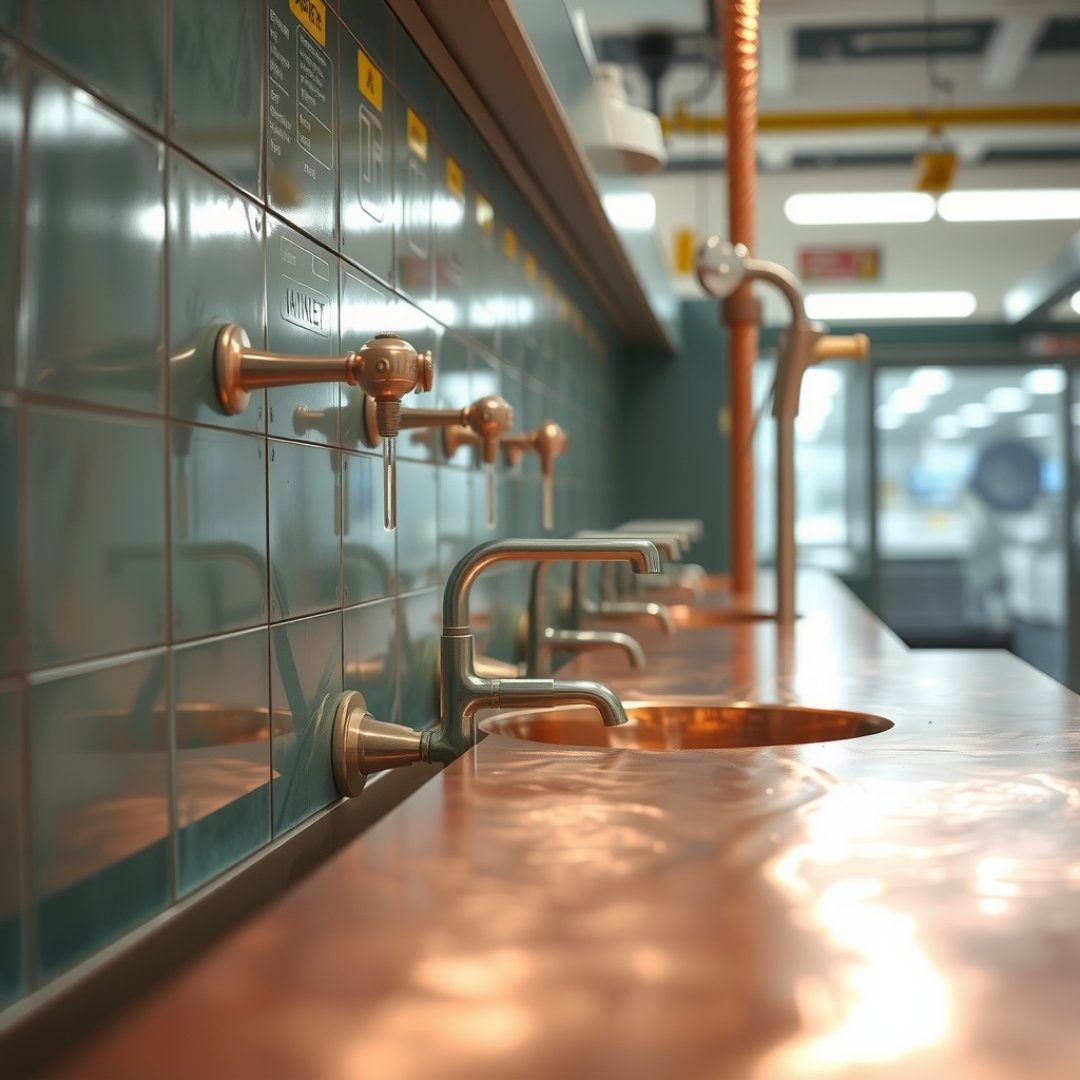
The search for effective ways to curb the spread of infectious diseases has led researchers back to one of the oldest materials known to human civilization: copper. By integrating copper surfaces antimicrobial potential into high-traffic environments, scientists are discovering a powerful, passive ally in the fight against hospital-acquired infections and surface-borne pathogens. Unlike chemical disinfectants that require repeated manual application and leave behind toxic residues, copper functions autonomously, providing continuous protection through a physical process that permanently disrupts the structural integrity of harmful bacteria, viruses, and fungi. This natural efficacy makes it an essential subject for modern material science, offering a sustainable solution to mitigate public health risks in schools, healthcare facilities, and public transit systems where pathogen transmission remains a significant concern for global hygiene strategies.
The Mechanism of Contact Killing
How Copper Deactivates Pathogens
The primary mechanism by which copper surfaces exert their antimicrobial effect is often described as contact killing. When a microorganism lands on a copper-rich surface, the metal releases copper ions that rapidly penetrate the cell walls or viral envelopes of the pathogen.
- Ion Release: Copper atoms on the surface release ions, which create oxidative stress within the microbial cell.
- Membrane Damage: These ions penetrate the cell membrane, causing it to lose its structural integrity and leak essential cellular components.
- DNA Degradation: Once inside, the copper ions attack the genetic material (DNA or RNA) of the microorganism, preventing it from replicating or repairing itself.
This multi-pronged attack happens in minutes, leaving the pathogen unable to survive or spread to the next contact point.
Benefits for Healthcare Environments
Reducing Hospital-Acquired Infections
Hospitals are battlegrounds against drug-resistant bacteria, and the introduction of copper-alloy touchpoints provides a significant advantage. Because copper is inherently antimicrobial, it acts as a secondary layer of defense that does not rely on human intervention.
Key Advantages in Clinical Settings
Installing copper handrails, bed rails, and door handles in patient rooms has been shown in various studies to decrease the bio-burden on surfaces. By consistently reducing the number of viable bacteria in the immediate patient environment, medical facilities can potentially lower the rate of transmission for infections such as MRSA and VRE. Passive disinfection saves labor costs for cleaning staff while ensuring that surfaces remain hostile to microbes even during periods between routine sanitization cycles.
Environmental and Long-term Sustainability
A Durable Alternative to Chemicals
One of the most compelling arguments for using copper is its durability compared to chemical sprays or wipes. While liquid disinfectants evaporate and lose effectiveness shortly after application, the antimicrobial properties of copper remain active for the life of the metal.
- Continuous Action: Copper does not ‘wear out’ in its ability to kill microbes, providing 24/7 protection.
- Recyclability: Copper is a highly sustainable metal that can be melted down and repurposed without losing its physical properties.
- Chemical Reduction: Reducing the frequency of harsh chemical spray use can lead to better indoor air quality and less chemical runoff into the environment.
By prioritizing long-lasting material solutions, we can create smarter infrastructure that serves both human health and environmental sustainability goals.
Frequently Asked Questions
How quickly do copper surfaces kill bacteria?
Copper surfaces can neutralize a wide range of bacteria and viruses within minutes, though the exact time depends on the concentration of the pathogen and environmental humidity.
Do copper alloys lose their antimicrobial effect over time?
No, the antimicrobial effect is a physical property of the metal itself and does not deplete or fade, meaning copper remains effective for years as long as the surface is not covered by paint or heavy grime.
Can copper kill viruses like those that cause the flu or COVID-19?
Yes, research indicates that copper surfaces can effectively deactivate various viral particles by destabilizing their protein coatings, preventing them from attaching to host cells.