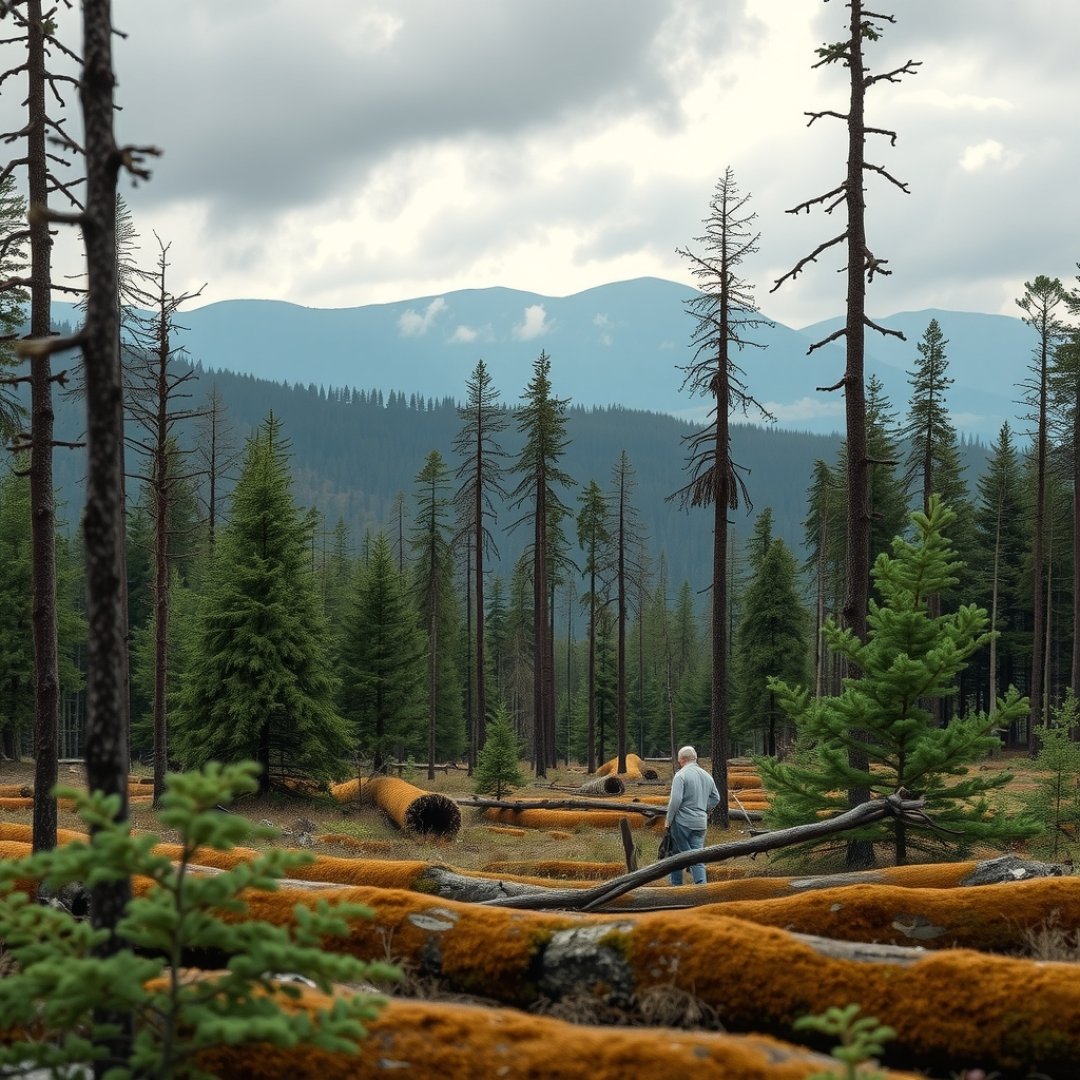
The ambitious initiative known as Cairngorms woodland reforestation represents one of the most significant ecological restoration projects in the United Kingdom today. By expanding the native forest cover across the vast, rugged terrain of the Cairngorms National Park, conservationists are not merely planting trees; they are reviving an ancient landscape that has suffered centuries of degradation. This movement focuses on bringing back the Caledonian Forest, a rare and precious habitat that once stretched across vast swathes of Scotland. As this project gains momentum, it is proving essential for sequestering carbon, mitigating flooding, and providing a sanctuary for iconic species such as the red squirrel, the capercaillie, and the golden eagle. Understanding the mechanics of this reforestation is vital for recognizing how large-scale habitat restoration can address the dual crises of biodiversity loss and climate change in modern upland environments.
The Ecological Importance of Native Woodlands
Restoring the Caledonian Forest
The core of the project involves the expansion of Scots pine, birch, and rowan trees. Unlike commercial plantations, these native woods create complex vertical structures that support a much wider variety of organisms.
- Increased Biodiversity: Providing niches for specialized insects, fungi, and birds.
- Soil Health: Natural decomposition cycles in native forests improve soil structure and water retention.
- Carbon Sequestration: Long-term carbon storage in biomass and peat-rich soils.
Challenges in Modern Reforestation Efforts
Navigating Landscape Management
Restoring a wild habitat in a landscape shared by human industry requires careful planning. Managers must balance the needs of deer populations with the survival of young saplings, as high grazing pressure often prevents natural forest regeneration.
- Deer Management: Implementing sustainable culling or fencing to protect young shoots.
- Community Engagement: Ensuring local communities remain economically viable while nature returns.
- Connectivity: Creating wildlife corridors between isolated patches of existing forest.
Long-term Climate and Water Benefits
Natural Flood Management
Beyond the obvious aesthetic and biological benefits, the expansion of woodland acts as a natural sponge for the highlands. By slowing the movement of rainwater across the catchment areas, these trees reduce the intensity of downstream flooding during Scotland’s increasingly wet winters. Furthermore, the root systems stabilize riverbanks, protecting aquatic ecosystems like the Atlantic salmon and freshwater pearl mussels from sediment runoff.
Frequently Asked Questions
What is the primary goal of the Cairngorms woodland reforestation project?
The main goal is to restore the native Caledonian Forest ecosystem, which supports rare wildlife, improves soil health, and aids in climate change mitigation.
Why is deer management essential for this forest restoration?
High numbers of red deer in the Highlands frequently browse on young tree seedlings, which can completely prevent new forest growth without active management interventions.
Does this reforestation project impact local water quality?
Yes, by increasing tree cover, the project helps slow water runoff, reduces downstream flood risks, and prevents soil erosion into local rivers and streams.