The Hera probe asteroid mission represents a monumental leap forward in our capacity to understand and mitigate potential planetary threats. Following the unprecedented success of NASA’s DART impact, the European Space Agency developed the Hera mission to perform a detailed post-impact survey of the binary asteroid system, Didymos and its moonlet, Dimorphos. By utilizing advanced imaging and sensing technologies, the Hera probe asteroid investigation aims to measure the exact crater size, the interior structure of the target, and the precise orbital changes caused by the earlier kinetic impactor. This high-resolution data is vital for validating numerical models of asteroid deflection, ensuring that if a real-world threat ever emerges, humanity possesses the reliable scientific framework required to protect our planet from catastrophic collisions. As a foundational project for planetary defense, this mission bridges the gap between theoretical calculations and empirical observational evidence gained from deep space.
The Scientific Rationale for Binary Asteroid Study
Decoding the Binary System
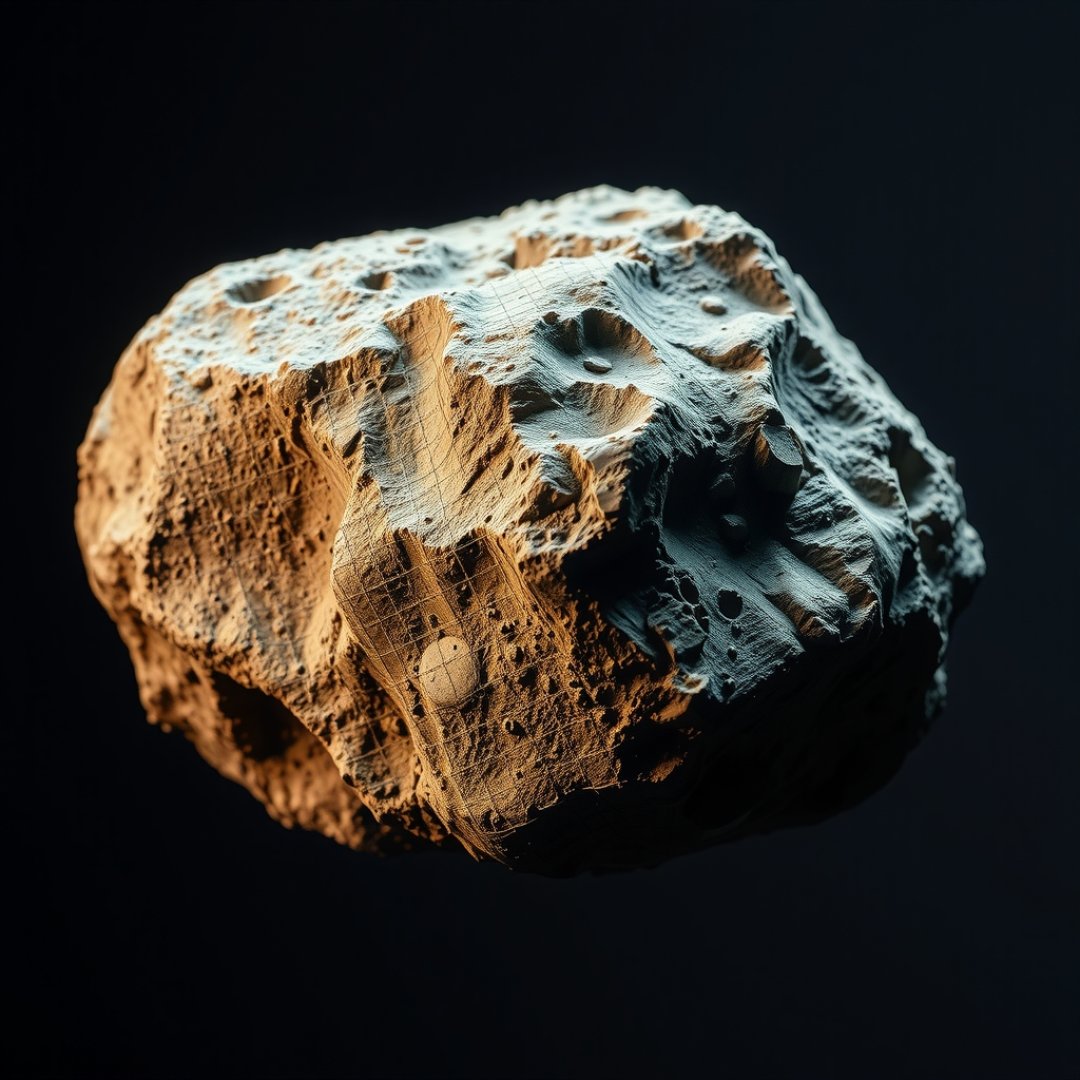
Binary asteroid systems offer a unique opportunity to study the mechanics of planetary formation and evolution. The primary objective of the Hera probe asteroid survey is to characterize the physical properties of Dimorphos, which is currently the smallest asteroid ever visited by a spacecraft. By analyzing its composition and surface morphology, scientists can determine how binary systems form and survive over millions of years.
Gravity and Mass Measurements
Measuring the mass of these asteroids is a primary goal. By tracking the radio science and orbital motions of the two bodies, the Hera mission will provide high-precision data on the mass and density of the system, offering a clear view of its interior composition.
Planetary Defense and Deflection Validation
Validating DART Impact Models
The DART mission proved that we could alter an asteroid’s trajectory, but the Hera mission is necessary to quantify that success. Understanding the Hera probe asteroid data will allow researchers to:
- Confirm the efficiency of the momentum transfer during the DART impact.
- Map the global topography of the impact site.
- Assess the structural integrity of the asteroid, whether it is a solid rock or a “rubble pile.”
This validation is the cornerstone of future planetary defense strategies, shifting our efforts from reactive theories to proactive, evidence-based mitigation.
Technological Innovations Aboard Hera
Advanced Instrumentation
To achieve these objectives, the spacecraft is equipped with a suite of sophisticated sensors. These include high-resolution cameras that function similarly to those used in planetary mapping, along with laser altimeters that provide precise distance measurements to build a 3D model of the asteroid surfaces.
CubeSat Deployment
A critical feature of the mission is the deployment of two small CubeSats, Milani and Juventas. These smaller units will perform specialized observations, including:Spectral analysis to identify the chemical makeup of the surface and low-frequency radar probing to peer beneath the outer crust, revealing the internal structure of the asteroid.
Frequently Asked Questions
What is the primary goal of the Hera mission?
The primary goal is to perform a detailed post-impact assessment of the Didymos-Dimorphos binary asteroid system to validate kinetic impactor techniques for planetary defense.
Why is the study of binary asteroids important?
Binary asteroids provide crucial data on the density, composition, and internal structure of asteroids, which are essential for creating accurate planetary protection models.
How will the Hera probe measure the asteroid’s interior?
The mission utilizes specialized CubeSats equipped with low-frequency radar to look beneath the surface of the asteroid to analyze its internal composition and structure.