
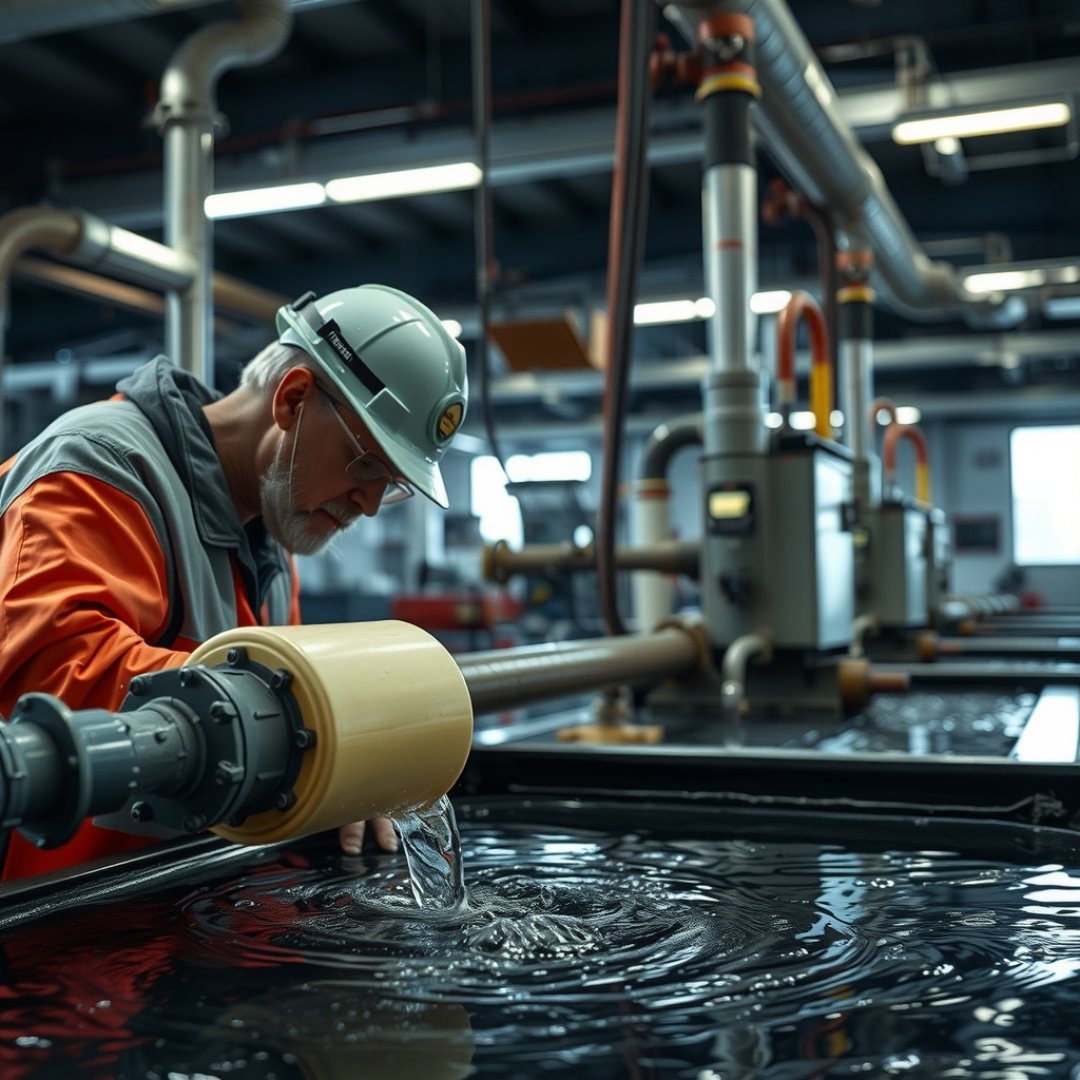
The persistence of per- and polyfluoroalkyl substances in our natural ecosystems has become one of the most pressing environmental challenges of the modern era. Due to their unique carbon-fluorine bonds, these synthetic compounds resist degradation, leading to widespread contamination in groundwater and soil. Developing effective per- and polyfluoroalkyl substances engineering remediation strategies is critical for safeguarding public health and restoring ecological balance. Engineers are currently exploring a range of innovative chemical, thermal, and biological interventions designed to break down these resilient structures. This article delves into the technological frameworks currently being deployed to neutralize these persistent pollutants and the future trajectory of chemical processing in contaminated sites worldwide.
Advanced Filtration and Adsorption Technologies
Activated Carbon and Ion Exchange
One of the primary methods in current use involves granular activated carbon, which acts as a sponge to trap contaminants. While effective for short-chain removal, it often requires frequent regeneration. Ion exchange resins represent a more selective approach, utilizing specialized polymers to capture ionic pollutants with higher affinity than traditional carbon.
- High Efficiency: Tailored resins can be optimized for specific chain lengths.
- Scalability: Modular systems allow for rapid deployment in municipal water treatment plants.
- Waste Management: The concentrated waste must still be treated thermally to destroy the compounds.
Destructive Remediation Techniques
Sonolysis and Electrochemical Oxidation
Moving beyond separation, researchers are turning to destructive technologies that physically break the carbon-fluorine bond. Sonolysis utilizes high-frequency ultrasound to create localized hot spots, effectively tearing the molecules apart through pyrolysis. Similarly, electrochemical oxidation leverages high-voltage current to drive redox reactions that mineralize the substances into harmless byproducts.
These techniques are highly promising because they reduce the need for long-term hazardous waste storage. However, energy consumption remains a significant hurdle for widespread implementation in remote or large-scale settings.
Biological and Phytoremediation Approaches
Microbial Transformation and Bio-remediation
Biological remediation focuses on utilizing specific bacterial strains or engineered fungi to digest synthetic compounds. While slower than mechanical methods, it offers a sustainable, low-energy alternative for large-scale soil treatment. Phytoremediation, or the use of hyperaccumulator plants, is also gaining traction as a method to extract compounds from the upper layers of contaminated soil.
- Enzymatic Breakdown: Developing synthetic enzymes to target specific structural groups.
- Phyto-extraction: Harvesting biomass that has absorbed pollutants from the earth.
- Monitoring: Tracking the metabolic pathways to ensure no toxic intermediates are produced.
Frequently Asked Questions
Why are these substances so difficult to remove from the environment?
The extremely strong carbon-fluorine bond, known as one of the strongest in organic chemistry, makes these compounds resistant to heat, water, and biological degradation.
Are these remediation strategies available for residential use?
Most advanced remediation technologies are designed for industrial or municipal applications; however, certified household water filters using specialized carbon can significantly reduce concentrations.
What is the end result of successful remediation?
Successful remediation aims to mineralize the compounds into harmless substances like fluoride ions, water, and carbon dioxide, effectively removing the ‘forever’ nature of the chemicals.