The successful return of mission materials has ignited a global effort to perform a comprehensive Chang’e-6 lunar samples chemical composition analysis, providing researchers with unprecedented access to the far side of the moon. Unlike previous missions that focused on the near side, these specific lunar samples chemical markers contain vital clues regarding the distinct volcanic and tectonic history of the South Pole-Aitken basin. By examining the isotopic ratios and mineralogy of these specimens, scientists are now reconstructing the formation timeline of our celestial neighbor with higher accuracy than ever before. This data is critical for validating planetary models that describe how the early solar system evolved, making the meticulous study of these rocks a cornerstone of contemporary lunar science and long-term space exploration strategy.
Understanding the Far Side Geology
Geological Diversity and Origin
The far side of the moon presents a drastically different crustal structure compared to the volcanic plains of the near side. The Chang’e-6 mission successfully retrieved soil and rock fragments from the South Pole-Aitken basin, the largest and deepest impact crater on the moon.
- Crustal composition: Samples suggest the presence of mantle-derived material excavated by ancient impacts.
- Chemical anomalies: Variations in trace elements indicate different cooling rates for subterranean magma chambers.
Techniques for Chemical Analysis
Advanced Laboratory Methodologies
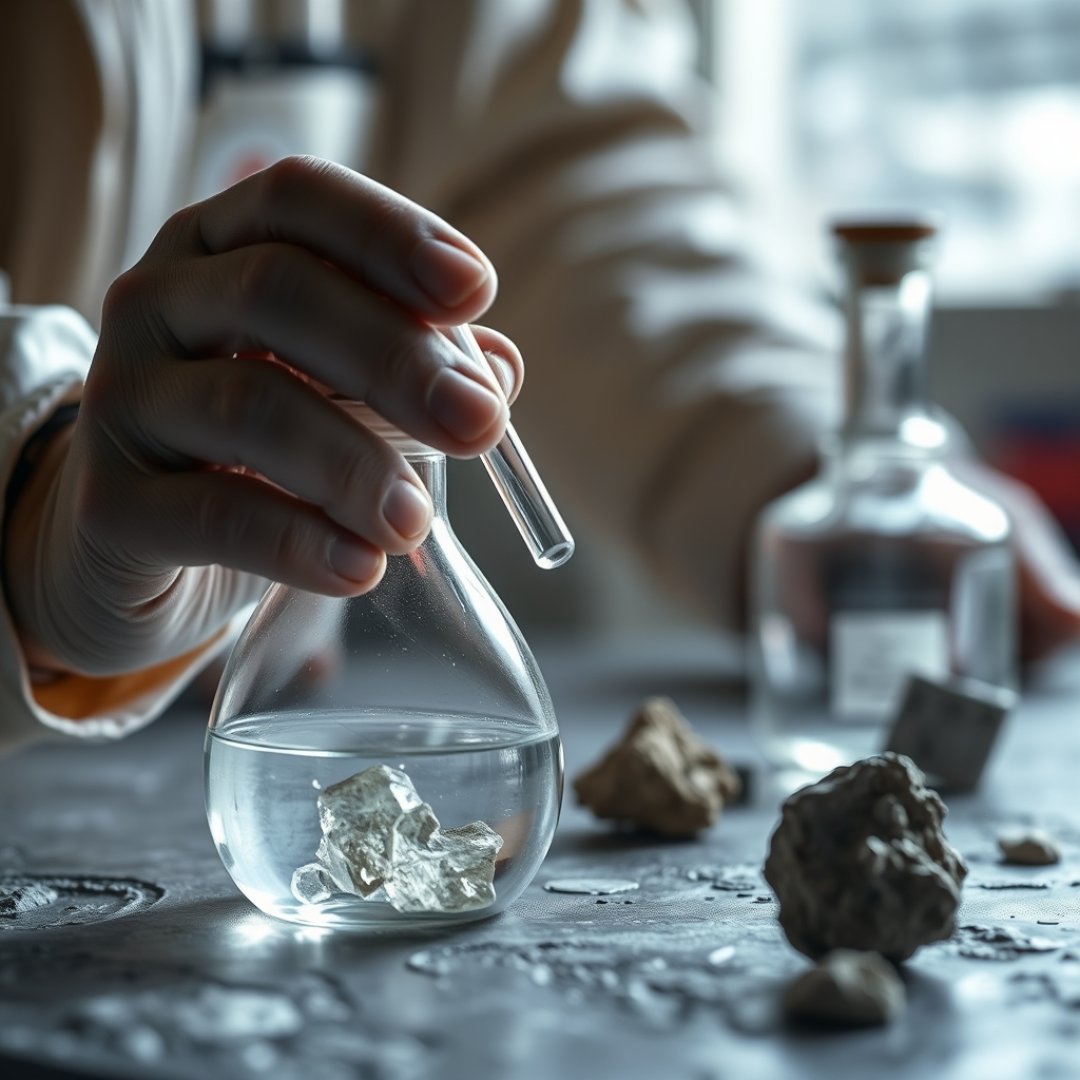
To determine the makeup of these materials, researchers utilize cutting-edge analytical tools. The goal is to isolate specific chemical signatures that differentiate the far side geology from existing Apollo-era collections.
- Mass Spectrometry: Used to identify isotopic ratios of elements like Oxygen and Titanium.
- Electron Microprobe Analysis: Allows scientists to view the grain-scale mineral structure of the lunar basalt.
- Synchrotron Radiation: Provides high-resolution imaging of internal mineral fractures.
Broader Implications for Space Exploration
Why This Matters for Future Missions
The implications of this research extend far beyond mere cataloging of lunar rocks. By understanding the distribution of water-ice precursors and rare minerals, space agencies can better plan future crewed missions to the lunar surface. Key insights gained from these samples include:
- Development of in-situ resource utilization strategies for oxygen extraction.
- Calibration of age-dating techniques for planetary surfaces across the solar system.
- Enhanced understanding of early Earth-Moon impact bombardment cycles.
Frequently Asked Questions
What makes Chang’e-6 samples unique?
These samples are the first to be retrieved from the far side of the moon, which has a different geological and crustal history than the near side.
How do scientists analyze lunar rock composition?
Scientists use advanced tools like mass spectrometry, electron microprobes, and synchrotron radiation to identify elemental and isotopic compositions.
What is the primary goal of this chemical analysis?
The primary goal is to map the geological history of the moon and gain insights into the evolution of the early solar system.