
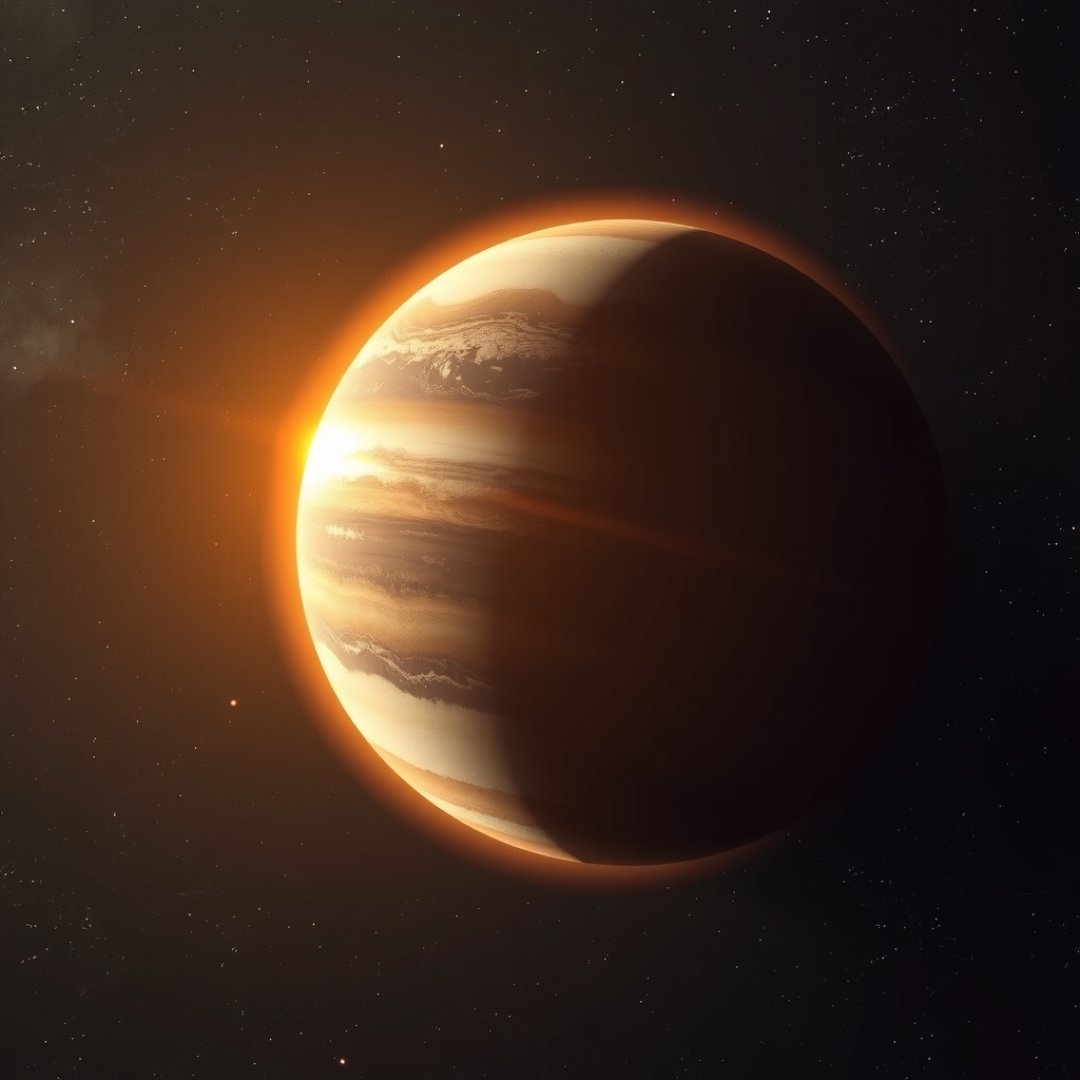
The quest to find life beyond Earth hinges on understanding the complex processes behind habitable zone exoplanet starbirth mechanisms. When a molecular cloud collapses to form a new star, the surrounding protoplanetary disk becomes the cradle for future worlds. The specific dynamics of this environment determine whether a planet will emerge within the temperate region where liquid water can persist on a surface. By analyzing how chemical abundances, magnetic fields, and turbulence within these stellar nurseries shape the orbital architecture of emerging solar systems, astronomers gain critical insights into why some systems favor life-sustaining orbits while others result in gas giants or frozen, barren spheres. Understanding these birth conditions is essential for refining our search for worlds that mirror the specific criteria necessary for biological viability, moving us closer to determining how common truly habitable real estate might be throughout our galaxy.
The Role of Protoplanetary Disks in Orbital Architecture
Initial Conditions of Starbirth
The journey toward a habitable zone exoplanet begins in dense, cold regions of interstellar gas known as molecular clouds. As gravity pulls this material inward, a rotating disk forms around the nascent star. The distribution of dust and gas within this disk is the primary driver for subsequent planetesimal formation.
- Turbulence: Controls the speed at which dust grains collide and stick together to form pebbles.
- Temperature Gradients: Dictate where volatile compounds like water ice can exist, defining the ‘snow line’ which heavily influences planetary composition.
Chemical Enrichment and Planetary Habitability
Metallicity and Composition
Not all stars are created equal when it comes to hosting terrestrial worlds. The metallicity of the parent cloud—the abundance of elements heavier than hydrogen and helium—is a critical factor. High-metallicity environments are statistically more likely to produce rocky planets rather than gas giants.
When a star forms in a metal-rich environment, the increased availability of heavy elements allows for a more efficient construction of rocky cores within the habitable zone. These cores eventually gather thin atmospheres, which are necessary for maintaining surface pressure and temperature stability over billions of years.
Radiation Exposure During Early Development
The Impact of Stellar Activity
A star’s behavior during its infancy significantly dictates the fate of its inner planets. Young stars often exhibit high levels of X-ray and extreme ultraviolet radiation, which can strip away the atmospheres of fledgling planets located in the habitable zone.
Protecting the Atmosphere
- Magnetic Fields: Planets that develop strong intrinsic magnetic fields are better shielded from high-energy stellar winds.
- Timing: The rate at which the stellar disk clears determines how much time a planet has to accumulate a secondary atmosphere before the central star reaches its stable main-sequence phase.
Frequently Asked Questions
What defines a habitable zone exoplanet?
A habitable zone exoplanet is one that orbits its host star at a distance where the temperature allows for the presence of liquid water on its surface, provided it has a suitable atmosphere.
How do stellar nurseries affect the birth of planets?
Stellar nurseries, or molecular clouds, provide the raw material and gravitational environment that dictate the density, chemical composition, and orbital distribution of planets within a new solar system.
Why is metallicity important for habitable planets?
Higher metallicity in a star’s birth environment increases the supply of solid material, which is necessary to form the rocky, Earth-like cores required for terrestrial worlds.