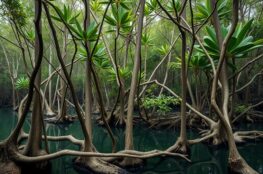
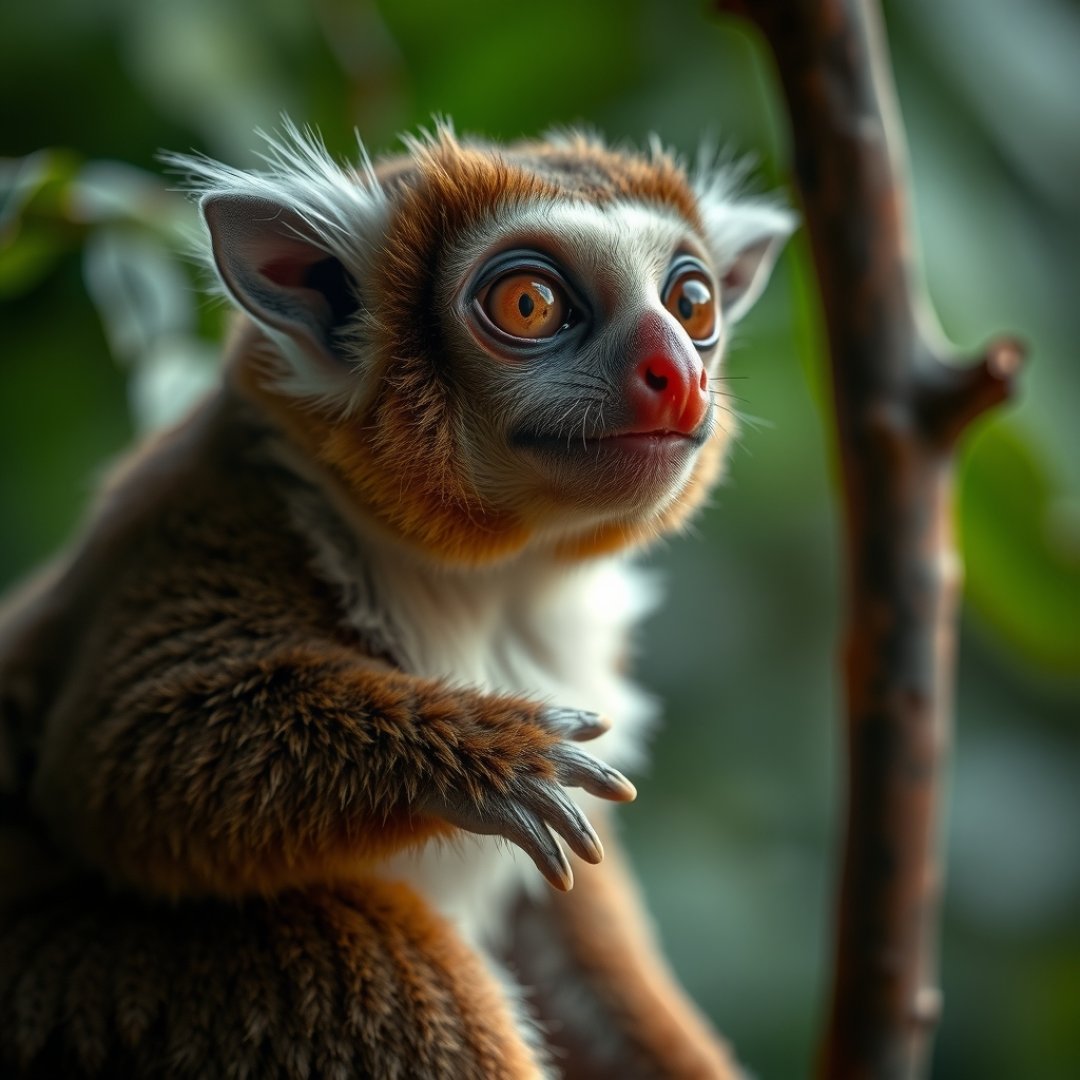
The Indonesian Slow Loris represents a fascinating branch of primate evolution that has remained largely mysterious due to its cryptic, nocturnal nature. As part of the suborder Strepsirrhini, the Indonesian Slow Loris has developed specialized physiological adaptations over millions of years, allowing it to thrive in the dense tropical forests of Southeast Asia. Understanding its deep evolutionary lineage is not merely an academic exercise; it provides critical insights into how early primates diverged and survived through changing climates. By examining the fossil records and genetic markers of these slow-moving creatures, researchers can better appreciate the complex ecological roles they play today. Their survival is intrinsically linked to the health of the Indonesian rainforests, making the study of their development a cornerstone for modern conservation efforts aimed at protecting these unique, venomous primates from extinction in an increasingly fragmented habitat.
The Evolutionary Roots of Nycticebus
Tracing Ancient Origins
The genus Nycticebus, which includes the various species of slow lorises found in Indonesia, traces its ancestry back to the Miocene epoch. While the fossil record for these small, tree-dwelling primates is relatively sparse compared to larger mammals, genetic analysis suggests that they diverged from their African counterparts tens of millions of years ago.
Adaptation Through Time
Over millennia, the Indonesian Slow Loris underwent significant morphological shifts to occupy a distinct niche. Their slow metabolic rates and specialized grip are not signs of inefficiency, but rather evolutionary masterpieces that allow them to remain virtually silent while hunting for insects, fruit, and tree exudates. This stealthy behavior is their primary defense mechanism, a trait refined over epochs of avoiding high-speed predators.
Geographic Isolation and Speciation
The Role of Island Biogeography
The Indonesian archipelago has acted as a crucible for speciation for the slow loris. As sea levels fluctuated throughout the Pleistocene, populations were frequently isolated on different islands, leading to the emergence of endemic species. This geographic fragmentation explains the high degree of genetic diversity observed across the region today.
- Java and Sumatra: Distinct environmental conditions on these islands have driven specific morphological adaptations.
- Borneo: Home to unique subpopulations that exhibit localized survival strategies.
- Ecological Barriers: Waterways and mountains have effectively created biological islands that pushed these primates to adapt to specific localized flora.
Ecological Significance and Future Preservation
Why Their History Matters Today
The evolutionary history of the Indonesian Slow Loris highlights their role as essential seed dispersers and insect population controllers within their ecosystem. When we lose a species with such a long, independent evolutionary trajectory, we lose millions of years of biological intelligence and refined interaction with the forest environment.
The Urgent Need for Protection
Habitat Loss: Massive deforestation poses the greatest threat to their ancient lineage. Conservationists are now utilizing evolutionary data to prioritize areas for protection where genetic diversity remains the highest. Ensuring the survival of these primates is not just about keeping a single species alive; it is about preserving the ancient ecological fabric of Indonesia that supports countless other organisms.
Frequently Asked Questions
Are all Indonesian Slow Loris species the same?
No, Indonesia is home to several distinct species of slow lorises, which have evolved unique characteristics based on their specific island environments and geographic isolation.
Why is the Indonesian Slow Loris considered evolutionary unique?
They are the only known primates that are venomous. Their specialized brachial gland produces a toxin that they lick to defend against predators, a trait that evolved over millions of years.
How does understanding their evolution help conservation?
By identifying how they diverged and what specific forest structures they rely on, scientists can create more effective habitat corridors and conservation policies tailored to their ancestral needs.