
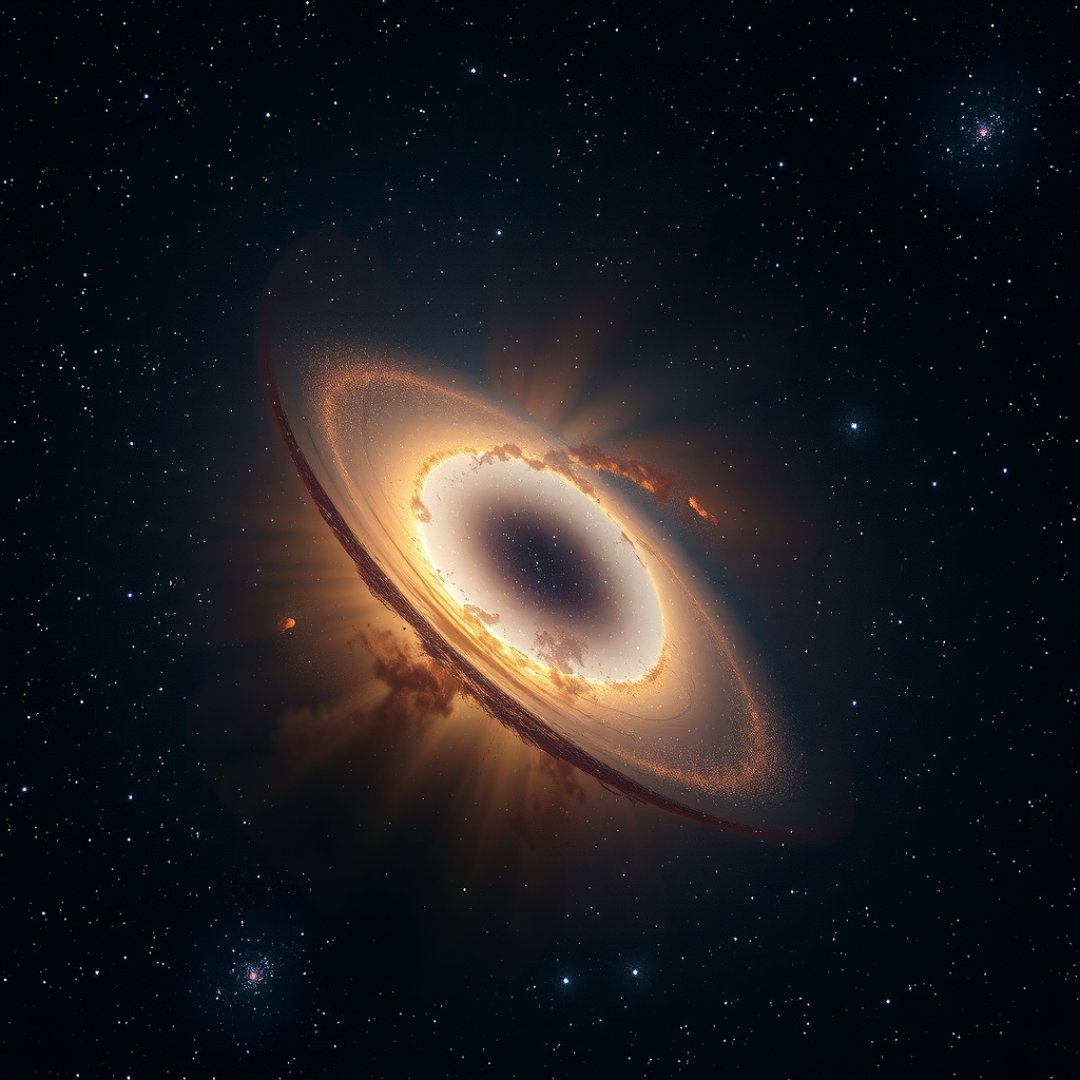
When we peer into the depths of the Milky Way, few objects command as much scientific interest as the Cassiopeia A supernova remnant. This massive cloud of debris, located approximately 11,000 light-years away from Earth, serves as a primary site for high-energy astrophysics research. By studying the Cassiopeia A supernova remnant X-ray emission, researchers have unlocked unprecedented insights into the life cycles of stars and the complex mechanisms governing stellar death. This remnant is the result of a colossal explosion of a massive star that occurred roughly 340 years ago as viewed from our perspective. The intense X-ray radiation emanating from the shock-heated gas provides a unique window into the physics of particle acceleration, shock front dynamics, and the chemical enrichment of our galaxy. As these high-energy photons reach our space-based observatories, they carry encoded information about the distribution of heavy elements and the intense magnetic fields present in the heart of the explosion, effectively turning this celestial disaster into an invaluable laboratory for understanding the foundational processes of the cosmos.
The Origin of High-Energy Emissions
Shock Front Physics
The primary source of the X-ray glow observed in the remnant is the interaction between the fast-moving ejecta from the explosion and the surrounding interstellar medium. As the shock wave plows through space at thousands of kilometers per second, it heats the material to temperatures exceeding tens of millions of degrees.
Synchrotron Radiation
A significant portion of the observed energy comes from synchrotron radiation. This occurs when high-energy electrons are accelerated to near-light speeds by the intense magnetic fields within the remnant. These electrons spiral along magnetic field lines, emitting high-energy X-ray photons that allow astronomers to map the structure of the remnant’s magnetic environment.
Mapping Elemental Abundances
Synthesizing Heavy Elements
Supernovae are the engines of cosmic chemical evolution. Within the shell of the remnant, observations have confirmed the presence of various heavy elements, including:
- Silicon
- Sulfur
- Argon
- Calcium
- Iron
By analyzing the specific X-ray spectral lines, scientists can determine the mass and distribution of these elements. This data is critical for understanding how the death of a single star contributes to the enrichment of the interstellar gas, which eventually forms the next generation of stars and planetary systems.
Advancements in Observational Astronomy
Space-Based Telescopes
Studying this remnant requires instruments capable of detecting X-rays, which are blocked by Earth’s atmosphere. Observatories like the Chandra X-ray Observatory have provided high-resolution maps of the debris. These detailed images allow researchers to track how the shock wave expands and changes over time, revealing the turbulent nature of the expanding gas clouds.
Multi-Wavelength Synthesis
While X-ray data provides a look at the hottest, most energetic parts of the remnant, integrating this with radio and infrared data is essential. This multi-wavelength approach helps astronomers distinguish between the thermal radiation from hot plasma and the non-thermal emissions caused by relativistic particles.
Frequently Asked Questions
What is Cassiopeia A?
Cassiopeia A is the remnant of a supernova explosion in the constellation Cassiopeia, representing the debris of a massive star that reached the end of its life cycle.
Why is the X-ray emission from Cassiopeia A important?
The X-ray emission allows scientists to study particle acceleration, map the distribution of heavy elements formed in the explosion, and understand how shock waves shape the interstellar medium.
How do we observe Cassiopeia A?
Because X-rays do not penetrate Earth’s atmosphere, we use space-based telescopes such as NASA’s Chandra X-ray Observatory to capture and analyze the high-energy light from the remnant.