
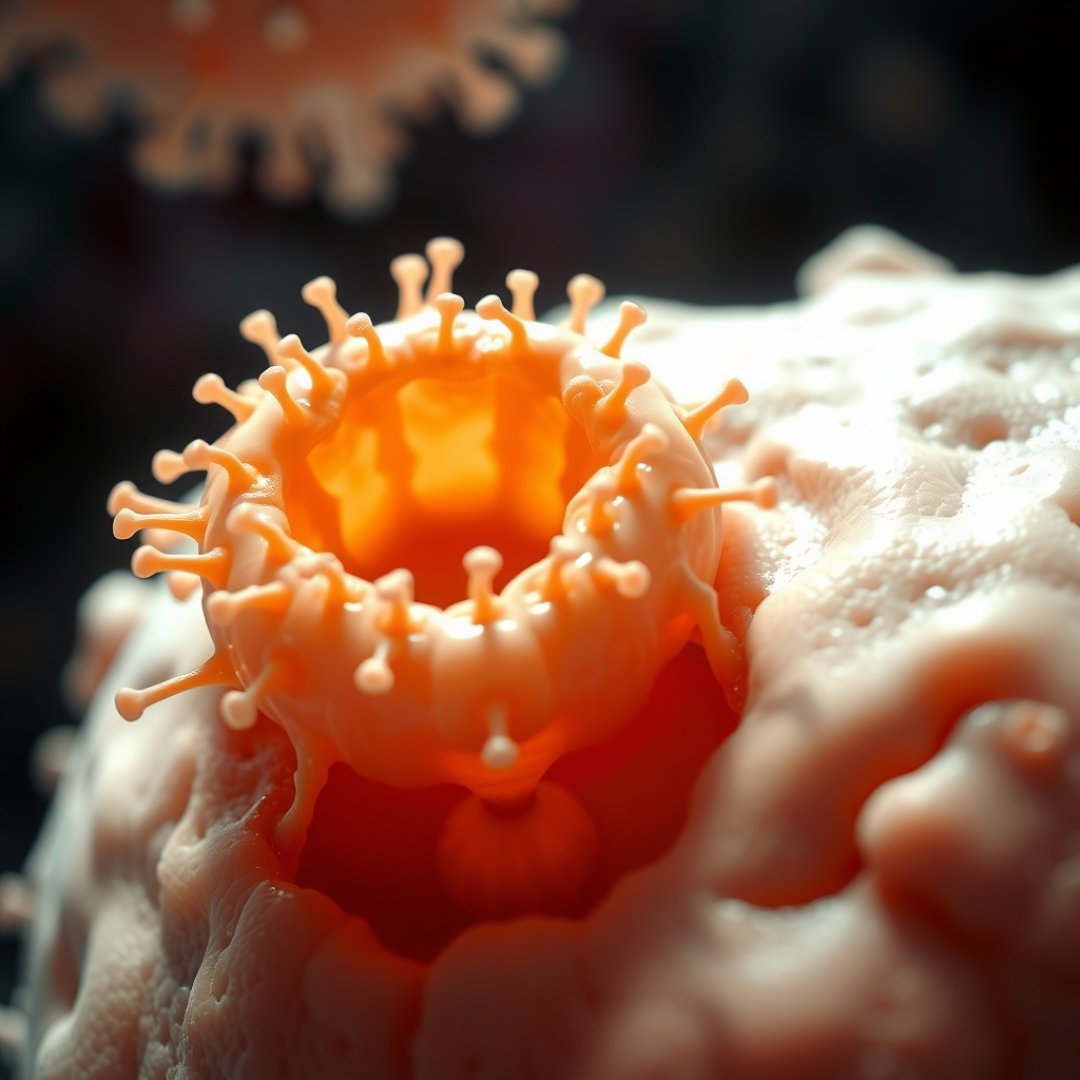
The integrity of the eukaryotic cell depends entirely on the selective movement of molecules between the nucleus and the cytoplasm, a process governed by the sophisticated Nuclear Pores Cellular transport barrier mechanics. As the largest protein assemblies in the cell, nuclear pore complexes act as highly selective gates, allowing essential materials like mRNA to exit while tightly regulating the entry of proteins and other large macromolecules. By maintaining this strict barrier, the cell prevents toxic substances from entering the nucleus and ensures that genetic information remains protected while still enabling the rapid communication required for cellular homeostasis. Understanding how these massive, symmetrical structures recognize specific cargo and facilitate their passage through a disordered meshwork of proteins remains one of the most compelling challenges in modern molecular biology. This article delves into the structural components and functional dynamics that define this essential biological gateway, highlighting why these barriers are fundamental to life as we know it.
Structural Composition of the Pore Complex
The Architecture of the Nuclear Gate
At its core, the nuclear pore complex is a massive, octagonal structure embedded within the double membrane of the nuclear envelope. It is composed of multiple copies of about 30 different proteins known as nucleoporins. These proteins form a scaffold that holds the pore in place while extending filaments into both the nucleus and the cytoplasm.
Key structural features include:
- The Scaffolding Ring: Provides the rigid foundation for the pore within the lipid bilayer.
- Cytoplasmic Filaments: These act as initial docking stations for incoming nuclear transport receptors.
- The Nuclear Basket: A distinct structure on the inner face that plays a role in gene regulation and RNA processing.
The Permeability Barrier Mechanism
How the Barrier Functions
The interior of the nuclear pore is filled with a unique type of protein known as FG-nucleoporins. These proteins are rich in phenylalanine and glycine repeats, which form a disordered, hydrophobic mesh that acts as a physical and energetic sieve. Small molecules pass through this mesh by simple diffusion, while larger molecules require assistance.
For larger cargo, the cell utilizes nuclear transport receptors called importins and exportins. These receptors possess hydrophobic surfaces that interact with the FG-repeats, essentially dissolving the mesh locally and allowing the cargo to pass through the otherwise impenetrable barrier. This mechanism ensures that only cargo carrying the appropriate molecular ‘passport’ is allowed to cross the threshold.
Regulation and Biological Significance
Why This Barrier Matters
The ability of the nuclear pore to regulate molecular traffic is vital for gene expression control. By gating the movement of transcription factors, the cell can control which genes are turned on or off in response to external signals. If this barrier were compromised, the chaos of unregulated transport would lead to severe cellular dysfunction and diseases such as cancer or neurodegeneration.
The Energy of Transport
It is important to note that the transport process is highly energy-dependent, relying on a small GTPase called Ran. The gradient of Ran-GTP across the nuclear envelope provides the directional force necessary to move cargo against concentration gradients, ensuring that nuclear proteins stay in the nucleus and cytoplasmic proteins stay in the cytoplasm.
Frequently Asked Questions
What is the primary function of the nuclear pore complex?
The nuclear pore complex serves as a regulated channel that controls the transport of molecules, such as RNA and proteins, between the nucleus and the cytoplasm.
How do large molecules cross the nuclear membrane?
Large molecules require nuclear transport receptors (importins or exportins) that interact with the pore’s internal FG-repeat mesh to facilitate movement.
What happens if the nuclear pore barrier fails?
Failure of the barrier leads to the mislocalization of proteins, causing cellular stress, loss of gene regulation, and is often linked to various diseases, including cancer and neurodegenerative disorders.