
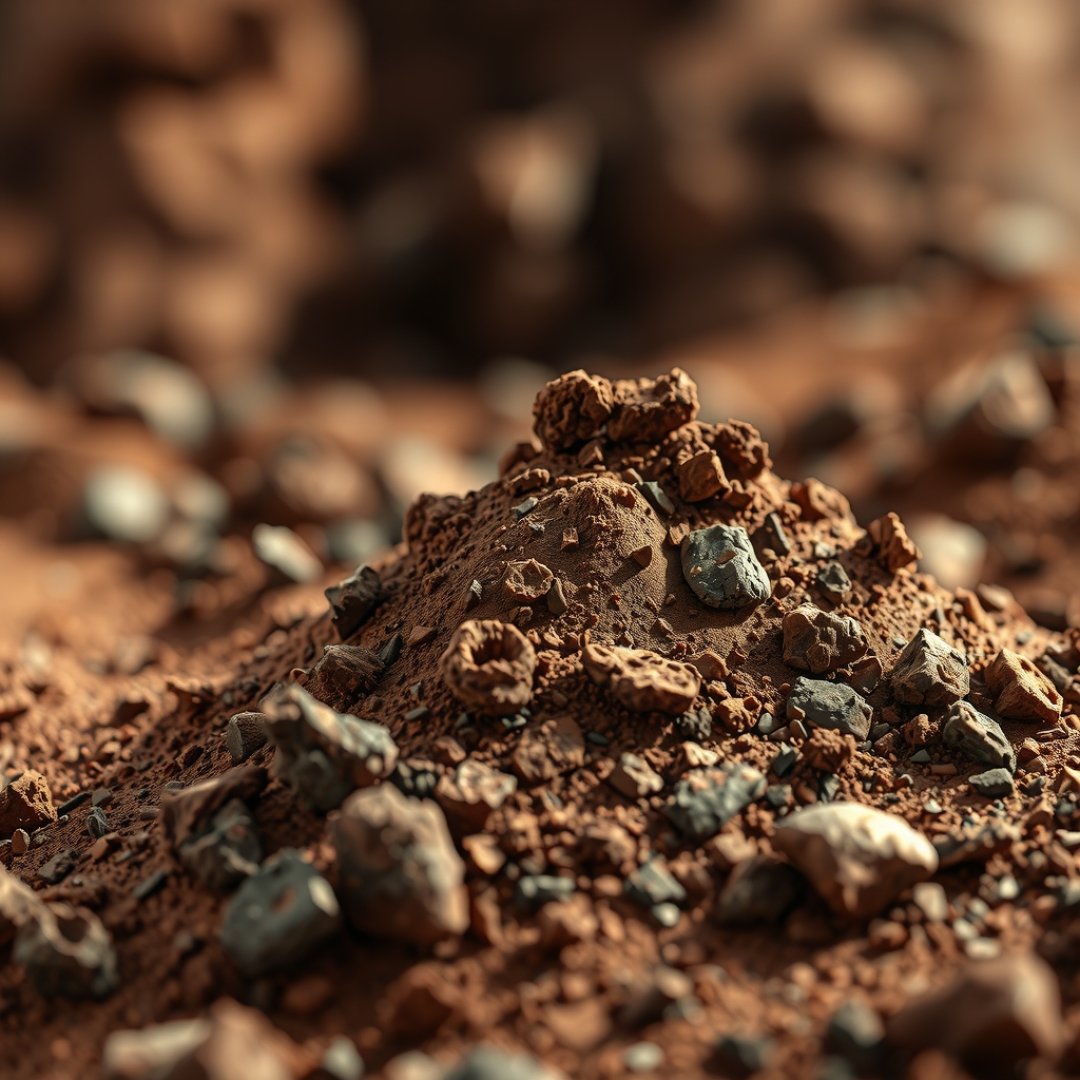
Understanding Mars soil composition is a foundational prerequisite for any long-term human presence beyond Earth. As space agencies prepare for potential crewed missions, the ability to cultivate crops in situ becomes a critical factor for mission sustainability. Unlike the nutrient-rich humus found on our home planet, the Martian regolith is a harsh, reactive material that presents significant barriers to traditional agriculture. The surface is saturated with toxic perchlorates and lacks the essential organic matter required to support plant life, turning the prospect of Martian farming into a complex geochemical engineering challenge. Investigating whether this terrain can be transformed into a productive medium requires a deep dive into its mineralogical makeup, salinity, and the potential for chemical remediation to ensure that future astronauts can effectively secure a reliable food supply while residing on the surface of another world.
The Geochemical Challenges of Martian Regolith
Mineralogical Makeup
The Martian surface is primarily composed of basaltic rock covered by a layer of fine, iron-rich dust. This regolith contains high concentrations of magnesium, calcium, and sulfur, which differ significantly from terrestrial topsoil. The presence of perchlorates—salts containing chlorine and oxygen—poses a massive risk to biological systems, as these compounds are toxic to humans and can inhibit plant growth.
The Absence of Organic Matter
Terrestrial soil thrives because of microorganisms and decaying organic materials. Mars, by contrast, is essentially sterile. Without a nitrogen-fixing cycle or natural biotic decomposition, the soil cannot naturally support root systems, necessitating an artificial approach to soil enrichment.
Techniques for Agricultural Remediation
Chemical Washing
To make the soil safer, scientists are researching methods to leach out harmful perchlorates using water. This process, while resource-intensive, is essential for rendering the regolith non-toxic. Once the salts are removed, the soil might serve as a physical substrate for hydroponic or aquaponic systems.
Bio-augmentation
Researchers are exploring the use of synthetic biology to introduce resilient microbes that could survive in Martian-like conditions. These organisms would be designed to:
- Fix atmospheric nitrogen into usable nitrates.
- Break down remaining mineral toxins.
- Produce organic carbon compounds that serve as precursors for plant nutrients.
Future Sustainability and Food Security
Controlled Environment Agriculture
Given the extreme cold and low atmospheric pressure on Mars, all farming must occur within pressurized, climate-controlled greenhouses. The regolith would likely be utilized only after being processed into a more hospitable growth medium, potentially combined with recycled nutrients from human waste systems to create a closed-loop ecosystem.
Energy Considerations
The energy requirement to maintain these agricultural zones is immense. Future lunar and Martian bases must rely on a combination of solar arrays and nuclear fission reactors to provide the constant heat and artificial lighting required to keep crops alive through the long, freezing Martian nights.
Frequently Asked Questions
Is Mars soil toxic to humans?
Yes, Mars regolith contains high levels of perchlorates, which are toxic to human thyroid function and can cause significant health issues if ingested or inhaled.
Can we grow food directly in Martian soil?
Current scientific consensus suggests we cannot grow plants directly in raw Martian soil without extensive chemical treatment, washing, and the addition of fertilizers and organic matter.
What is the biggest barrier to Martian agriculture?
The combination of toxic perchlorates, the lack of nitrogen-fixing bacteria, and the harsh, radiation-heavy environment makes traditional open-air agriculture impossible.