
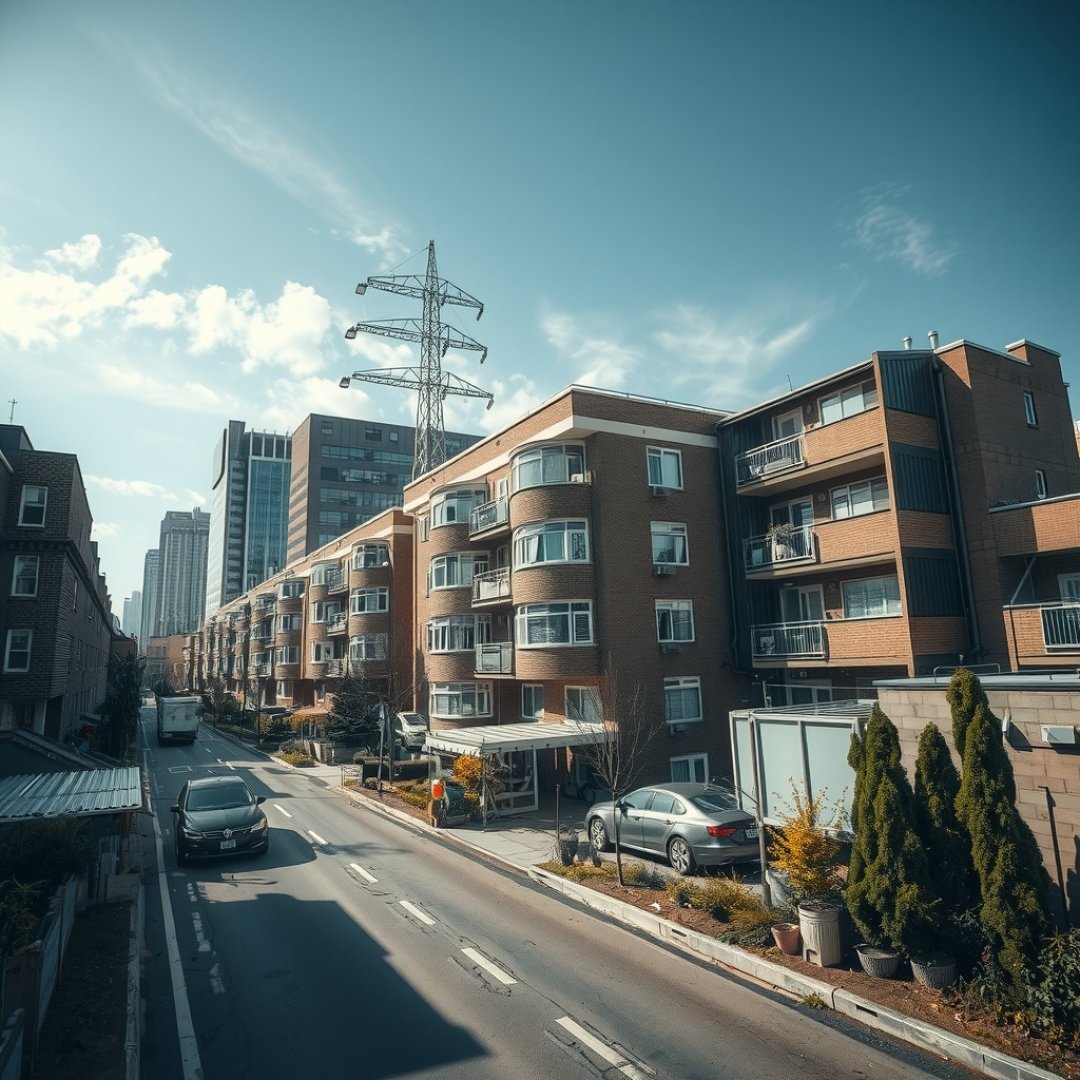
The rapid expansion of metropolitan areas has led to a significant environmental challenge known as the urban heat island effect, where cities experience substantially higher temperatures than their surrounding rural areas. This phenomenon is driven by dense concentrations of pavement, buildings, and other surfaces that absorb and retain heat, alongside the lack of natural vegetation. Implementing robust Urban Heat Island Mitigation strategies is no longer just an aesthetic choice; it is a critical necessity for public health and energy efficiency. By focusing on smart landscape architecture, advanced material science, and strategic urban planning, municipalities can effectively reduce peak temperatures. As global climates continue to shift, understanding how to actively deploy Urban Heat Island Mitigation becomes essential for protecting vulnerable populations, reducing electricity demand for cooling systems, and creating more sustainable, livable environments for future generations who will call these heat-prone concrete jungles their homes.
Harnessing Nature-Based Solutions
Expanding Urban Green Canopies
Integrating more trees and vegetation into the urban fabric is one of the most effective methods to combat extreme heat. Trees provide shade through their canopy, reducing the amount of solar radiation reaching the ground. Additionally, plants provide evaporative cooling through transpiration, a process that releases moisture into the air.
- Strategic Tree Planting: Positioning trees to shade western and southern building facades.
- Green Roofs and Walls: Transforming unused rooftops into gardens to absorb heat and provide insulation.
- Pocket Parks: Creating small, localized green patches to break up vast expanses of asphalt.
Cool Materials and Surface Reflectivity
The Power of High Albedo Surfaces
Traditional urban materials like dark asphalt and black roofing tiles are significant contributors to heat absorption. By transitioning to high-albedo materials, or cool surfaces, cities can reflect more sunlight away from the surface instead of absorbing it as heat energy.
Implementing Cool Roofing Technology
Cool roofs are designed with reflective materials that can stay significantly cooler than conventional roofing during peak sun hours. This reduces the heat transferred into the building interior, subsequently lowering the energy required for air conditioning. Furthermore, utilizing cool pavements for sidewalks and parking lots can lower the overall ambient air temperature at the pedestrian level.
Urban Design and Airflow Optimization
Designing for Natural Ventilation
The physical layout of a city plays a massive role in how heat is trapped or dissipated. Dense clusters of buildings can impede natural wind patterns, creating stagnant air pockets that worsen thermal stress. Urban planners are now looking at wind corridors to facilitate natural airflow.
- Building Orientation: Aligning streets to channel prevailing breezes through urban canyons.
- Reducing Street Canyons: Implementing setbacks on high-rise buildings to allow for better air circulation and sunlight access.
- Water Features: Incorporating fountains or artificial ponds that utilize thermal mass to regulate local temperature fluctuations.
Frequently Asked Questions
What is the primary cause of urban heat islands?
The primary cause is the prevalence of heat-absorbing materials like concrete and asphalt, combined with a lack of vegetation and the waste heat generated by human activities, vehicles, and air conditioning systems.
How do cool roofs help with heat mitigation?
Cool roofs use reflective coatings that bounce sunlight away from the building, preventing the structure from absorbing solar heat and reducing the amount of cooling energy required inside.
Can urban trees make a measurable difference in temperature?
Yes, shade trees can lower surface temperatures by up to 20-45 degrees Fahrenheit and ambient air temperatures by several degrees through the combined effects of shading and evaporative cooling.