Every summer, the Northern Hemisphere turns its gaze toward the heavens to witness the Perseid meteor shower, one of the most reliable and brilliant celestial events of the year. This annual spectacle is not merely a random scattering of light across the darkness but a result of a highly predictable and fascinating Perseid meteor shower annual celestial mechanism. By understanding the intricate dance between Earth and the debris trails left by the Swift-Tuttle comet, observers gain a deeper appreciation for the complex orbital mechanics that govern our solar system. As Earth plunges into this cloud of ancient dust, these tiny particles collide with our atmosphere, ionizing the gas and creating the vivid streaks of light that captivate millions of amateur astronomers and night-sky enthusiasts across the globe during mid-August.
The Origin of the Perseids
The Swift-Tuttle Connection
The source of this event is the Comet 109P/Swift-Tuttle. This comet orbits the sun every 133 years and leaves behind a wide trail of debris throughout its path. When we discuss the Perseid meteor shower annual celestial mechanism, we are effectively talking about Earth’s journey through this persistent dust cloud.
Why the Trail Remains
Unlike some other debris clouds that dissipate quickly, the trail left by Swift-Tuttle is thick and well-distributed. Because the comet has passed through the inner solar system repeatedly over thousands of years, it has deposited a substantial amount of material, ensuring that the shower remains a consistent fixture in our yearly calendar.
Physics of the Meteor Display
Atmospheric Entry
As particles ranging from the size of a grain of sand to a small marble strike the upper atmosphere at high velocities, they move at approximately 37 miles per second. The resulting kinetic energy is massive, causing the air molecules to glow, which is the light we perceive.
The Role of Ionization
- Speed: High-velocity entry creates immediate friction.
- Ionization: Atoms lose electrons, creating the bright trails seen.
- Radiation: The glow is a byproduct of the re-combination process.
Observing the Annual Event
Timing and Perspective
The shower reaches its peak when Earth passes through the densest part of the trail. The radiants, the point in the sky where the meteors appear to originate, is located in the constellation Perseus, which gives the event its name.
Tips for Maximum Visibility
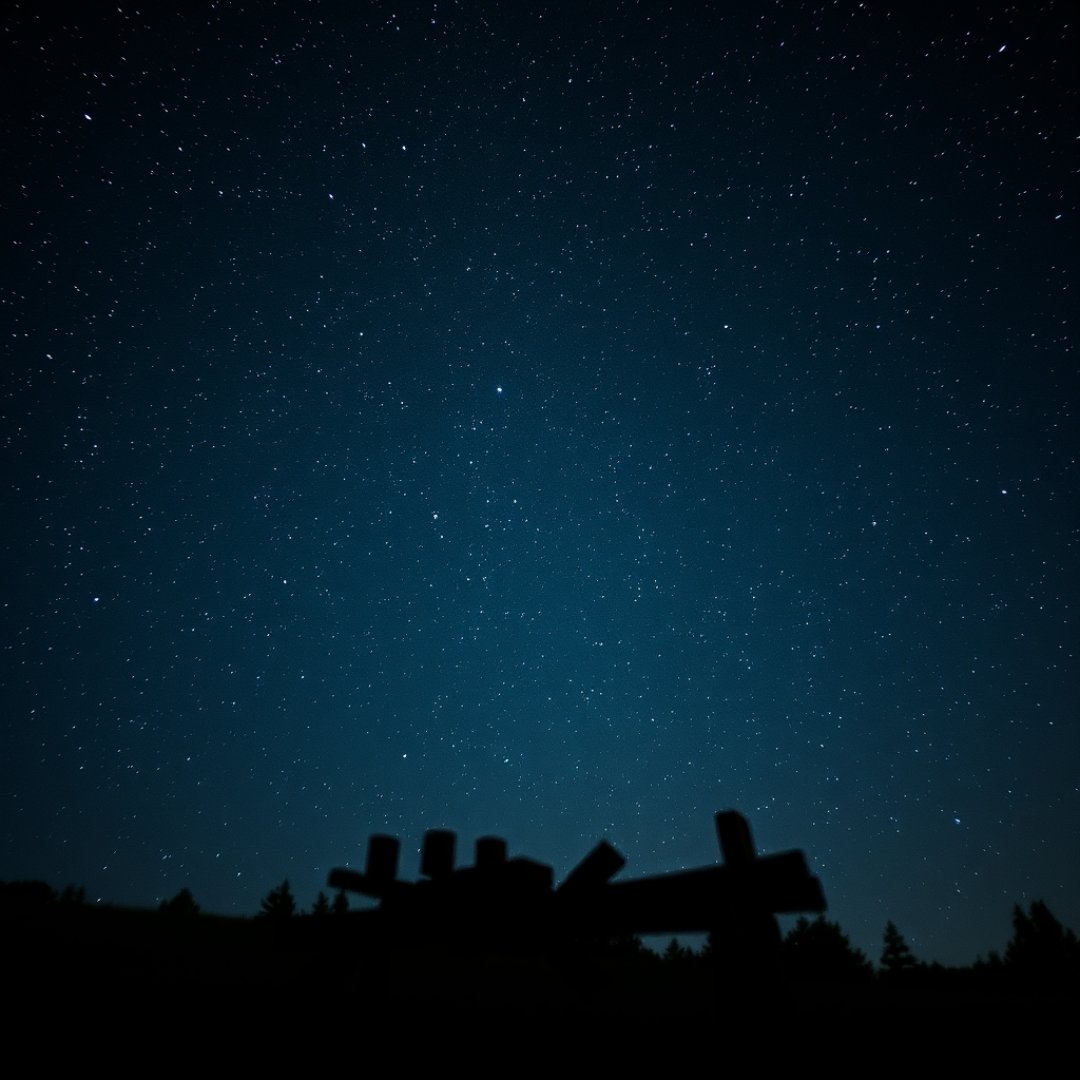
To enjoy the show, you do not need special equipment. Find a dark location away from city lights, allow your eyes to adjust for at least twenty minutes, and look toward the northeast after midnight. Being patient is essential, as the rate of meteors can vary from minute to minute.
Frequently Asked Questions
When is the best time to see the Perseids?
The peak typically occurs between August 11th and August 13th, with the best viewing times being after midnight until just before dawn.
Do I need a telescope to see the meteors?
No, a telescope actually limits your field of view. The best way to watch is with the naked eye to capture as much of the sky as possible.
Are the Perseids dangerous to Earth?
Not at all. The particles are typically no larger than a grain of sand and burn up entirely in the upper atmosphere long before they reach the ground.