The study of ancient mortuary practices has long fascinated historians, particularly when addressing the dark possibility of human sacrifice during the formative stages of civilization. The Egyptian royal burial remains a subject of intense academic scrutiny, specifically regarding the practice of retainer sacrifice found in the early tombs of Abydos. During the First Dynasty, elite funerary sites often featured the remains of subordinates buried in proximity to the pharaoh, suggesting a deeply ingrained belief system where these individuals were expected to serve their sovereign in the afterlife. While later periods of Egyptian history abandoned these visceral traditions, the early archaeological record provides a haunting glimpse into a time when the king’s passage into eternity involved the transition of his loyal entourage. Understanding the motivations and social structures behind these burials helps researchers decode the complex religious landscape of the early Nile Valley civilizations, where power and divinity were inextricably linked to the preservation of the royal essence.
The Abydos Necropolis and Retainer Graves
The Site of Umm el-Qa’ab
At the royal cemetery of Abydos, early kings were laid to rest in elaborate structures that included surrounding chambers. Archaeologists uncovered distinct skeletal remains belonging to individuals buried simultaneously with the ruler. Retainer sacrifice served as a hallmark of elite status during this era.
Analyzing the Skeletal Evidence
Forensic examination of these remains has yielded fascinating data:
- Most individuals were young adults in peak physical condition.
- The proximity of these graves to the royal tomb indicates a status-based hierarchy.
- Lack of traumatic injury on many skeletons initially sparked debate, though some evidence points to strangulation or poisoning as potential methods.
Shifting Perspectives on Royal Funerary Rituals
From Human Sacrifice to Symbolic Representation
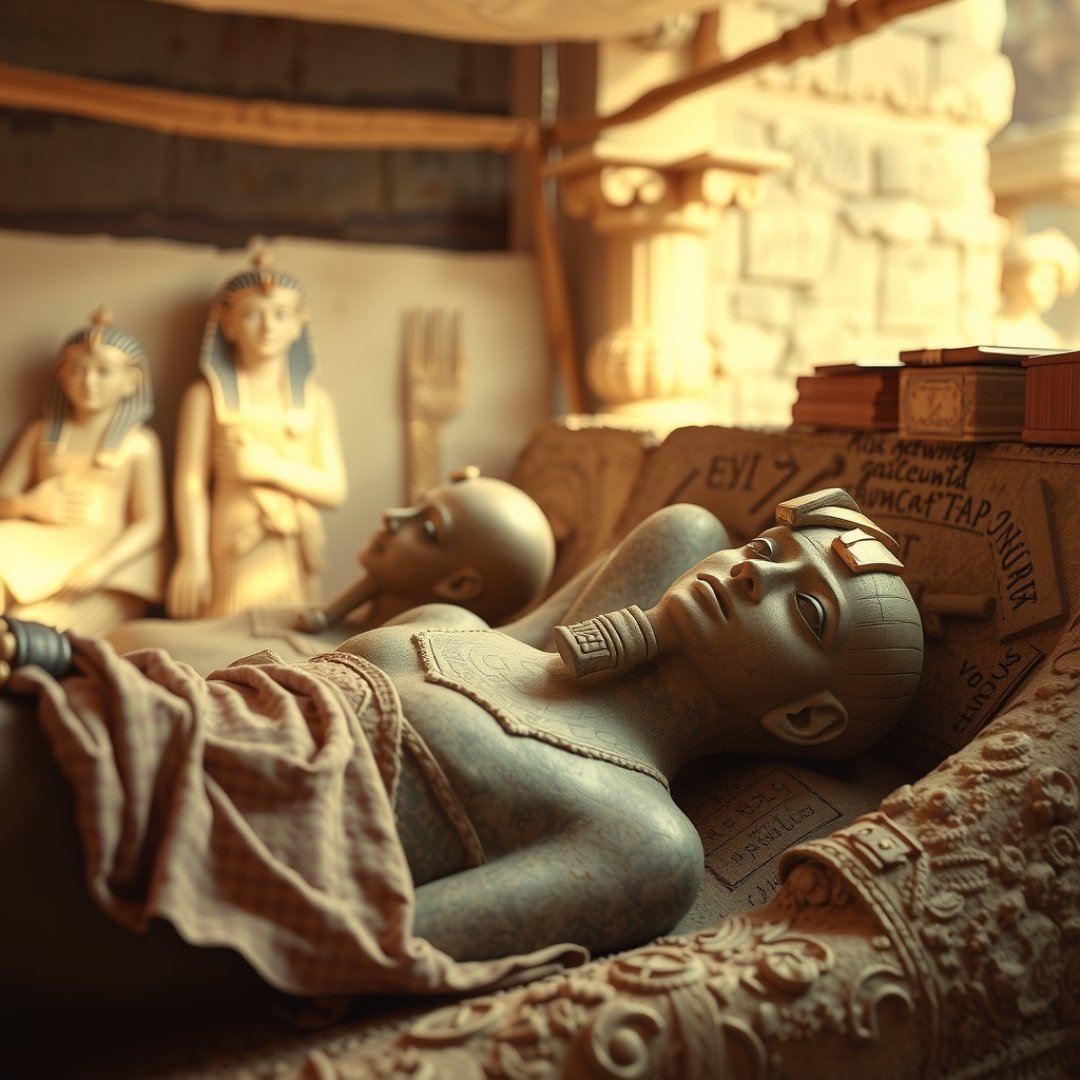
As the Old Kingdom progressed, the practice of burying living humans alongside the monarch faded away entirely. This shift likely occurred due to changing religious doctrines that favored the use of shabti figures. These small statues were inscribed with spells to perform labor for the deceased in the underworld, replacing the need for actual human sacrifice.
Why the Practice Mattered
The transition highlights a major evolution in Egyptian theology. The state moved away from the literal, physical accompaniment of the king to a symbolic representation of eternal service. This evolution helped stabilize social structures and allowed for a more consistent bureaucratic approach to state-sponsored religion.
Challenges in Modern Archaeological Interpretation
The Problem of Preservation
Interpreting ancient burial sites is fraught with difficulty. Many of these tombs were plundered in antiquity, which disturbs the stratigraphic evidence needed to confirm the cause of death. Archaeological forensics must rely on limited remains to distinguish between ceremonial sacrifice and natural death occurring in close succession to the ruler.
Defining the Royal Cult
Historians argue about whether these deaths were truly sacrificial or if they represent the burial of high-ranking courtiers who passed away near the time of the pharaoh. While the consensus tilts toward ritualized sacrifice, the lack of explicit written records from the First Dynasty leaves the final determination open to ongoing debate.
Frequently Asked Questions
Was human sacrifice common throughout all of Ancient Egyptian history?
No, evidence of retainer sacrifice is largely confined to the First Dynasty at Abydos and was abandoned early in the civilization’s history in favor of symbolic funerary objects.
Why were retainers buried with the pharaoh?
The prevailing belief was that these individuals would continue to serve the king in the afterlife, ensuring his comfort and status in the next world.
What replaced human sacrifice in later Egyptian burials?
The Egyptians replaced the practice with shabti figures, which were small figurines magically empowered to perform duties for the deceased in the afterlife.