As the global demand for beef continues to rise, the environmental impact of bovine digestion has become a primary concern for climatologists and agricultural scientists alike. Specifically, Nelore cattle microbiota plays a critical role in the fermentation process within the rumen, which ultimately results in the production of enteric methane—a potent greenhouse gas. By studying the complex microbial populations residing in the digestive tracts of these animals, researchers are uncovering innovative ways to shift their dietary metabolism. This scientific endeavor focuses on identifying specific microbial shifts that can lower methane outputs without compromising the health or growth efficiency of the herd. Through targeted nutritional supplements, specialized feed additives, and selective breeding based on gut biome profiles, the industry is moving toward a more sustainable model that balances food security with urgent climate mitigation goals. Understanding these biological dynamics is essential for modern cattle management.
The Role of Rumen Fermentation
How Digestion Creates Methane
The rumen acts as a vast fermentation vat where microorganisms break down complex plant fibers that humans cannot digest. During this process, archaea—a group of microorganisms—produce methane as a metabolic byproduct. This gas is then expelled by the animal, contributing significantly to agricultural carbon footprints.
Why Nelore Cattle Are Unique
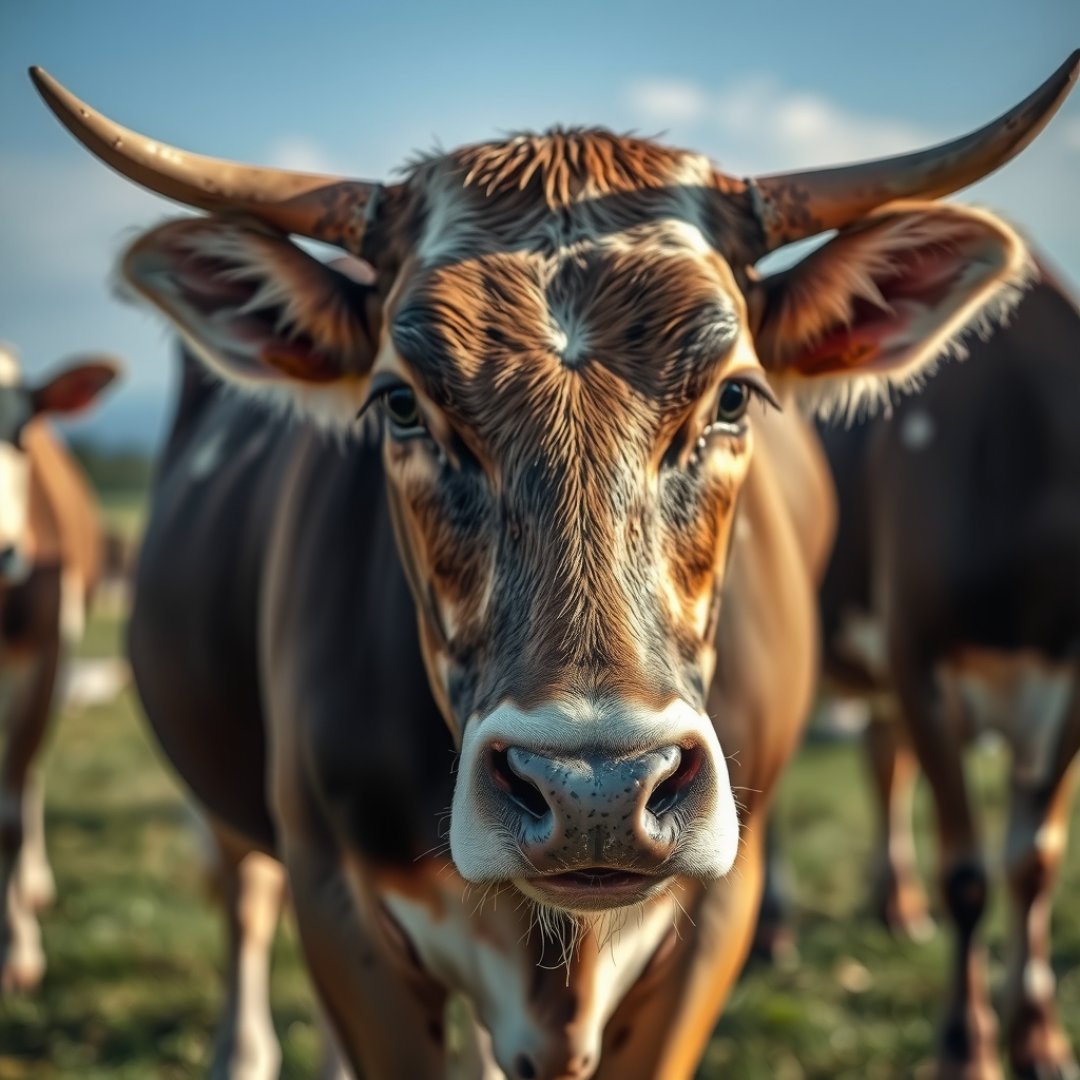
Nelore cattle are highly favored in tropical regions due to their resilience and adaptation to harsh climates. Because they possess a distinct digestive efficiency, their microbial ecosystem is slightly different from European breeds. Targeting these specific bacterial communities provides a unique opportunity to achieve Nelore cattle microbiota optimization that could serve as a blueprint for tropical livestock sustainability.
Dietary Interventions and Additives
Modulating the Gut Environment
Researchers are experimenting with various additives to inhibit methanogenic archaea. These strategies aim to redirect hydrogen—a key component of methane—into alternative metabolic pathways that provide extra energy to the cow instead of releasing gas.
- Tannins and Saponins: Naturally occurring plant compounds that disrupt methane-producing microbes.
- Essential Oils: Compounds that can alter rumen fermentation patterns.
- Seaweed Extracts: Studies indicate significant reductions in enteric gas when specific marine algae are introduced to the diet.
Selective Breeding and Future Prospects
Genetics and the Microbiome
Beyond diet, the host animal’s genetics significantly influence the composition of its rumen microbes. By identifying Nelore individuals that naturally produce less methane, producers can select for breeding traits that promote a low-methane gut biome.
Long-term Sustainability Goals
Integrating these biological insights into commercial farming requires scalable solutions. The focus is now shifting toward providing farmers with cost-effective feed additives and genetic tools, ensuring that environmental stewardship becomes an inherent part of profitable cattle production.
Frequently Asked Questions
Why is methane emission from cattle a problem?
Methane is a potent greenhouse gas with a global warming potential significantly higher than carbon dioxide over a 20-year period, making it a critical focus for climate policy.
Can Nelore cattle be bred to produce less methane?
Yes, research suggests that there is a heritable component to the composition of the rumen microbiome, allowing for the potential to select for more climate-efficient livestock.
Do dietary supplements affect meat quality?
Most studies indicate that targeted additives designed for methane reduction do not negatively impact meat quality or animal weight gain, provided the nutritional balance is maintained.