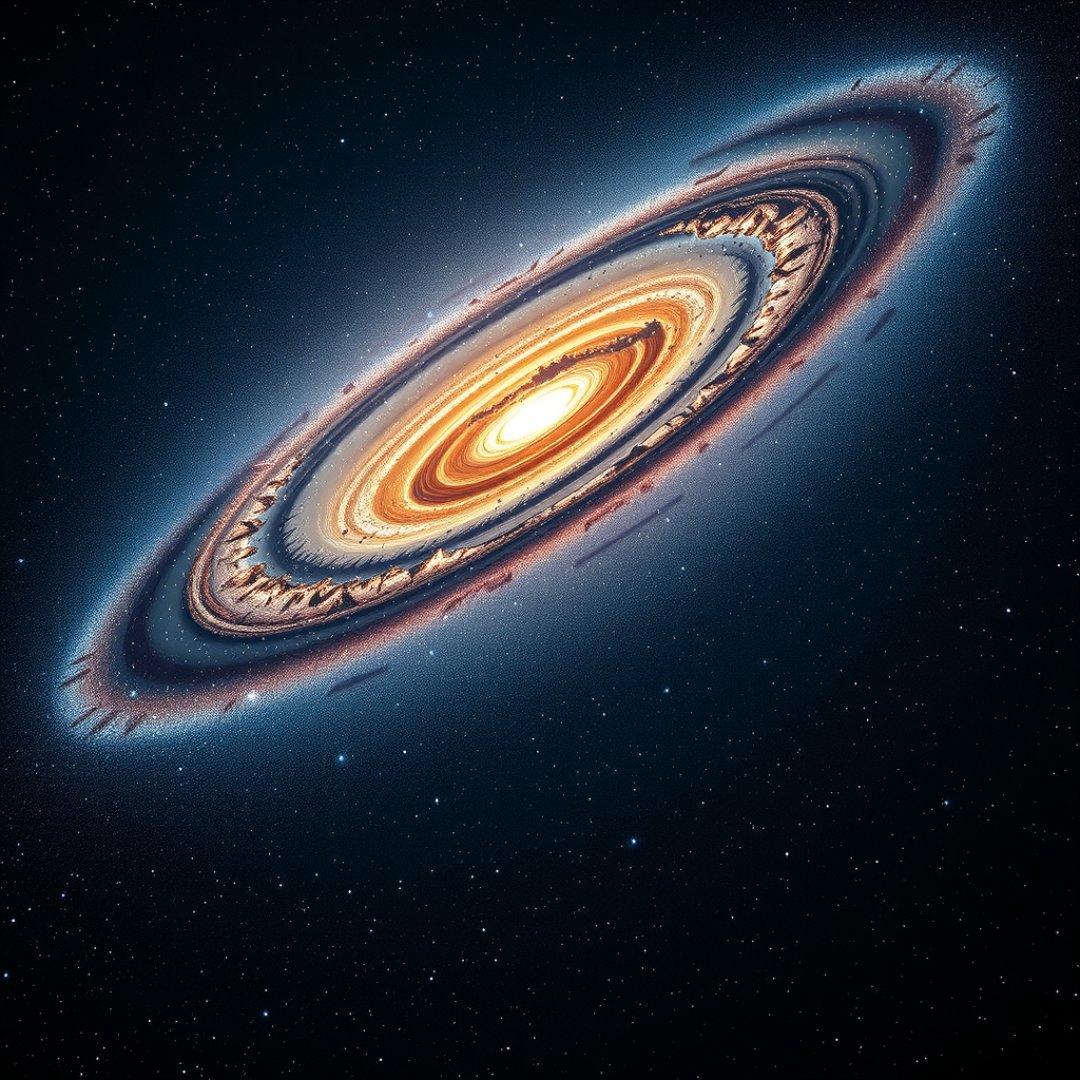
The Andromeda Galaxy, also known as Messier 31, serves as the primary laboratory for astronomers seeking to understand the life cycles of large spiral galaxies within our local neighborhood. Recent observational data derived from space-based telescopes have revealed a significant star formation decline that challenges our previous assumptions about galactic aging and interstellar gas consumption. As galaxies evolve, they transition from active, star-bursting entities into quiescent structures, a process heavily influenced by the depletion of cold molecular hydrogen reservoirs. This observed star formation decline in Andromeda provides critical clues into the structural transformation of massive galaxies over billions of years, illustrating how internal feedback mechanisms, such as supernova-driven galactic winds and central black hole activity, work in tandem to suppress the creation of new stellar populations. Analyzing these specific dynamics allows researchers to map the future trajectory of our own Milky Way, offering a glimpse into the inevitable aging process that large-scale cosmic structures undergo as they exhaust their available fuel.
The Mechanism of Gas Exhaustion
Depletion of Molecular Clouds
The primary driver behind the observed cooling of star-making potential is the gradual depletion of cold, dense molecular hydrogen gas. Stars require these vast molecular clouds to provide the gravitational collapse necessary for ignition. In Andromeda, these reservoirs are being systematically converted into stars or dispersed into the halo.
Stellar Feedback Loops
As existing massive stars reach the end of their life cycles, they inject energy back into the interstellar medium. This process, known as stellar feedback, can effectively heat the surrounding gas, preventing it from reaching the low temperatures required to form the next generation of stars, thereby reinforcing the overall star formation decline.
Galactic Feedback and Black Hole Influence
The Role of the Central Nucleus
Andromeda features a massive central black hole that exerts a powerful influence on its galactic environment. Observations suggest that active galactic nucleus (AGN) feedback may be playing a role in quenching star formation by clearing out gas from the central bulge.
- Energy injection into the galactic halo.
- Mechanical removal of cold gas.
- Prevention of gas accretion from the intergalactic medium.
Implications for Galactic Evolution
Predicting Galactic Quiescence
By studying the current rate of gas depletion, astrophysicists can create predictive models for when Andromeda will effectively become a ‘dead’ galaxy. This transition, moving from a star-forming spiral to a quiescent elliptical structure, is a common path for massive galaxies in the observable universe.
Comparing Milky Way Dynamics
Contrasting Andromeda with the Milky Way reveals distinct differences in evolutionary timing. While our galaxy remains relatively active, understanding the star formation decline in our neighbor helps refine our timeline for when we might expect the Milky Way to enter a similar phase of dormancy.
Frequently Asked Questions
Why is the Andromeda Galaxy stopping the creation of new stars?
It is primarily due to the exhaustion of cold molecular hydrogen gas and internal feedback processes that heat the interstellar medium, preventing gas from condensing.
Will the Milky Way experience a similar decline?
Yes, current models suggest that all large spiral galaxies eventually exhaust their gas reserves and transition into quiescent or ‘dead’ galaxies over several billion years.
What is the role of the central black hole in this process?
The central black hole can trigger feedback mechanisms that heat or physically eject gas from the galaxy, making it unavailable for future star formation.